
When the sun is shining, many of us find ourselves asking, “Can you still get tan with sunscreen?” This question is especially relevant as we head into the warmer months when outdoor activities increase. While sunscreen is essential for protecting our skin from harmful UV rays, it’s natural to wonder how it affects tanning. In this comprehensive guide, we will explore the relationship between sunscreen and tanning, helping you understand how to enjoy the sun safely.
The Basics of Tanning and UV Rays
Before diving into the specifics of sunscreen, it’s important to understand the basics of tanning. Tanning occurs when skin cells produce more melanin in response to UV radiation. There are two primary types of UV rays that affect our skin:
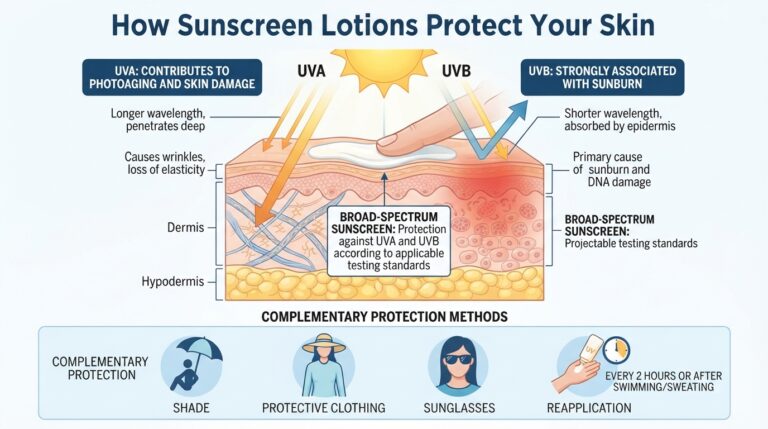
- UVA Rays: These rays penetrate deep into the skin, leading to premature aging and skin cancer. They are present all year round, even on cloudy days.
- UVB Rays: These rays are responsible for causing sunburn and are most intense during the summer months. They play a significant role in the tanning process.
Both types of UV rays contribute to skin damage and increase the risk of skin cancer, making sunscreen an essential part of any sun exposure strategy.
How Sunscreen Works
Sunscreen acts as a protective barrier against UV radiation. It contains active ingredients that either absorb or reflect UV rays, preventing them from penetrating the skin. Sunscreens are typically categorized into two types:
- Chemical Sunscreens: These contain organic compounds that absorb UV radiation, converting it into heat, which is then released from the skin.
- Physical (Mineral) Sunscreens: These contain active mineral ingredients like zinc oxide or titanium dioxide that sit on the skin’s surface and reflect UV rays.
The effectiveness of sunscreen is measured by its Sun Protection Factor (SPF). The SPF rating indicates how long the sunscreen will protect your skin from UVB rays. For example, if you normally burn after 10 minutes in the sun, applying an SPF 30 sunscreen should theoretically allow you to stay in the sun for 30 times longer without burning, or about 300 minutes.
Can You Still Get Tan with Sunscreen?
The short answer is yes; you can still get a tan while wearing sunscreen. However, the intensity and speed of your tanning process may vary based on several factors:
1. SPF Level
The higher the SPF, the more protection it offers against UVB rays, which are primarily responsible for tanning. However, no sunscreen provides 100% protection. For instance:
| SPF Level | Percentage of UVB Rays Blocked |
|---|---|
| 15 | 93% |
| 30 | 97% |
| 50 | 98% |
Even with an SPF of 50, about 2% of UVB rays can still reach your skin, which means you can still tan, albeit at a slower rate.
2. Application Process
How you apply sunscreen matters significantly in its efficacy. Common mistakes include:
- Applying too little: Most people apply only 25-50% of the recommended amount.
- Not applying evenly: Uneven application can leave areas of skin unprotected.
- Forgetting to reapply: Sunscreen should be reapplied every two hours or immediately after swimming or sweating.
To maximize protection while still allowing for tanning, ensure you apply a generous amount and reapply regularly.
3. Skin Type and Genetics
Individual skin types and genetic factors also play a role in how much you can tan while using sunscreen. People with fair skin may tan less than those with darker skin, even with sunscreen. Additionally, genetics influences melanin production, which affects how quickly and deeply one can tan.
4. Duration of Sun Exposure
The duration of your sun exposure is another significant factor. Shorter, controlled exposure to sunlight while wearing sunscreen can lead to a gradual tan without excessive damage. For optimal results, consider:
- Limiting sun exposure to 20-30 minutes at a time.
- Gradually increasing exposure time as your skin adapts.
Benefits of Tanning with Sunscreen
While getting a tan may be a goal for some, it’s vital to remember the benefits of wearing sunscreen:
- Reduces Risk of Skin Cancer: Regular use of sunscreen can significantly lower the risk of developing skin cancers.
- Prevents Premature Aging: Sunscreen helps in preventing fine lines, wrinkles, and age spots caused by sun damage.
- Maintains Even Skin Tone: Protecting your skin can help prevent discoloration and uneven tanning.
Other Sun Protection Tips
In addition to using sunscreen, consider these additional sun protection tips to enhance your safety while tanning:
- Wear Protective Clothing: Long-sleeved shirts, wide-brimmed hats, and sunglasses can provide additional protection against UV rays.
- Seek Shade: Whenever possible, stay under shade, especially during peak sun hours from 10 AM to 4 PM.
- Stay Hydrated: Drinking plenty of water helps keep your skin healthy and can help prevent sunburn.
Conclusion
So, can you still get tan with sunscreen? The answer is yes, but it requires a balanced approach. Using a broad-spectrum sunscreen with a suitable SPF, applying it correctly, and allowing your skin time to adapt to the sun can all contribute to a safe tanning experience. Remember, while a tan may be desirable, protecting your skin should always be your top priority. By following the guidelines outlined in this article, you can enjoy the sun while minimizing the risks associated with UV exposure.
Ultimately, embracing the sun safely means understanding your skin, using sunscreen effectively, and being mindful of your exposure. Happy tanning!