
Can you get tan with sunscreen? This is a common question for sunbathers and beachgoers alike. While sunscreen is essential for protecting your skin from harmful UV rays, many people are unsure about its impact on tanning. In this article, we will explore the science behind sunscreen, how it affects tanning, and the best practices for sun exposure to keep your skin healthy while achieving that sun-kissed glow.
The Science Behind Sunscreen
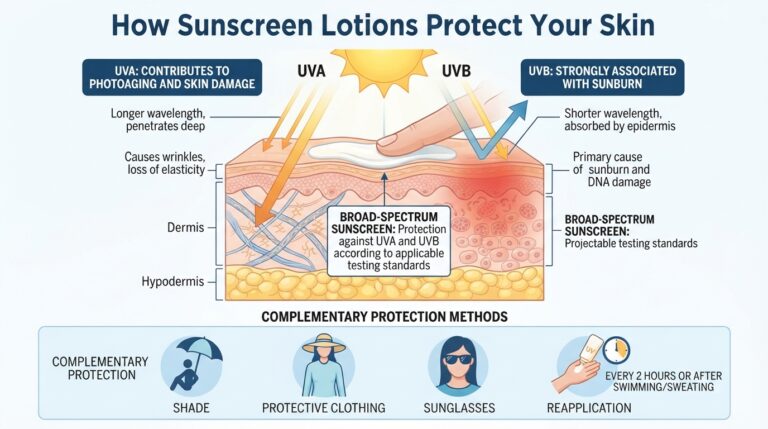
To understand whether you can tan with sunscreen, it’s important to first grasp how sunscreen works. Sunscreen products contain active ingredients that either absorb or reflect UV radiation. These ingredients can be categorized into two main types:
- Chemical Filters: These absorb UV radiation and convert it into heat, which is then released from the skin. Common chemical filters include avobenzone, octisalate, and octocrylene.
- Physical (Mineral) Filters: These sit on the skin’s surface and reflect UV rays. The most common physical filters are zinc oxide and titanium dioxide.
SPF Explained
The Sun Protection Factor (SPF) rating on sunscreen indicates its effectiveness against UVB rays, which are primarily responsible for sunburn and contribute to skin cancer. For example, SPF 30 filters about 97% of UVB rays, while SPF 50 filters approximately 98%. However, no sunscreen can block 100% of UV rays.
Can Sunscreen Prevent Tanning?
Now, let’s address the central question: can you tan with sunscreen? The answer is nuanced. While sunscreen does provide a protective barrier, it does not completely prevent tanning. Here’s why:
- Sunscreen allows some UV rays to penetrate the skin, which can lead to tanning. Even with SPF 50, a small percentage of UV rays can still reach your skin.
- The effectiveness of sunscreen depends on proper application. If applied too sparingly or unevenly, it may not provide the intended level of protection.
- Different skin types react differently to sun exposure. Individuals with lighter skin may burn quickly, while those with darker skin may tan more easily.
The Role of Skin Type in Tanning
Your skin type plays a significant role in how you tan and how effective sunscreen is in protecting you. The Fitzpatrick scale categorizes skin types based on their response to sun exposure:
| Skin Type | Description | Reaction to Sun Exposure |
|---|---|---|
| Type I | Very fair, often freckled | Always burns, never tans |
| Type II | Fair skin | Burns easily, tans minimally |
| Type III | Medium skin | Burns moderately, tans gradually |
| Type IV | Olive skin | Burns minimally, tans easily |
| Type V | Brown skin | Rarely burns, tans very easily |
| Type VI | Dark brown or black skin | Never burns, tans readily |
Understanding your skin type can help you tailor your sun protection strategy and manage your tanning goals effectively.
Best Practices for Tanning with Sunscreen
If you’re aiming for a tan while still protecting your skin, here are some best practices to consider:
- Choose the Right Sunscreen: Look for broad-spectrum sunscreens that protect against both UVA and UVB rays. An SPF of at least 30 is recommended.
- Apply Generously: Use about an ounce (a shot glass full) of sunscreen for the entire body. Don’t forget areas like the ears, back of the neck, and tops of feet.
- Reapply Frequently: Sunscreen should be reapplied every two hours, or more often if swimming or sweating.
- Limit Sun Exposure: Try to avoid peak sun hours (10 AM to 4 PM). Instead, opt for early morning or late afternoon sun exposure.
- Gradual Tanning: Consider using gradual tanning lotions or bronzers to achieve a sun-kissed look without excessive sun exposure.
Are There Alternatives to Tanning?
If you’re concerned about skin damage from tanning, there are several alternatives to achieve a bronzed look without sun exposure:
- Self-Tanners: These products contain dihydroxyacetone (DHA), which reacts with the skin’s outer layer to create a tan-like appearance.
- Spray Tans: Professional spray tans can provide an even, natural-looking tan without UV exposure.
- Bronzers and Makeup: Temporary bronzing products can give the appearance of a tan without any commitment.
Understanding the Risks of Tanning
Tanning, whether intentional or accidental, comes with its risks. Here are some key points to keep in mind:
- Skin Cancer Risk: Excessive UV exposure is a leading cause of skin cancer, including melanoma, the deadliest form of skin cancer.
- Premature Aging: UV exposure accelerates skin aging, leading to wrinkles, fine lines, and age spots.
- Sunburn: A sunburn is not just painful; it also increases the risk of skin cancer and can lead to long-term skin damage.
It’s important to balance the desire for a tan with the need for skin protection. The safest approach is to avoid excessive sun exposure and use sunscreen effectively.
Conclusion
So, can you get tan with sunscreen? Yes, you can still achieve a tan while using sunscreen, but it’s crucial to understand the limitations of sun protection. Sunscreen is an essential tool in maintaining skin health and preventing damage, but it does not completely eliminate the risk of tanning. By choosing the right products, applying them properly, and taking sensible sun exposure precautions, you can enjoy the sun responsibly while protecting your skin against its harsh effects.
Remember, a healthy glow is always more attractive than a sunburn. Consider alternatives if you’re looking for a tan without the risks associated with UV exposure.