
You applied a high-SPF lotion to protect your face and shoulders, only to wake up the next morning with angry red bumps and intense itching. It is entirely valid to wonder if sunscreen can cause a rash, especially when your skin was supposed to be safe. Skin reactions to sun protection formulas are surprisingly frequent and can stem from several distinct dermatological triggers.
Whether you are dealing with a stinging sensation on sensitive skin or a full-blown contact dermatitis flare-up, identifying the underlying cause lets you pivot to a better routine. We will break down why these flare-ups happen, how to spot the difference between various types of skin irritation, and what steps you can take to heal your skin quickly.
Understanding Sunscreen Dermatitis and Chemical Irritants
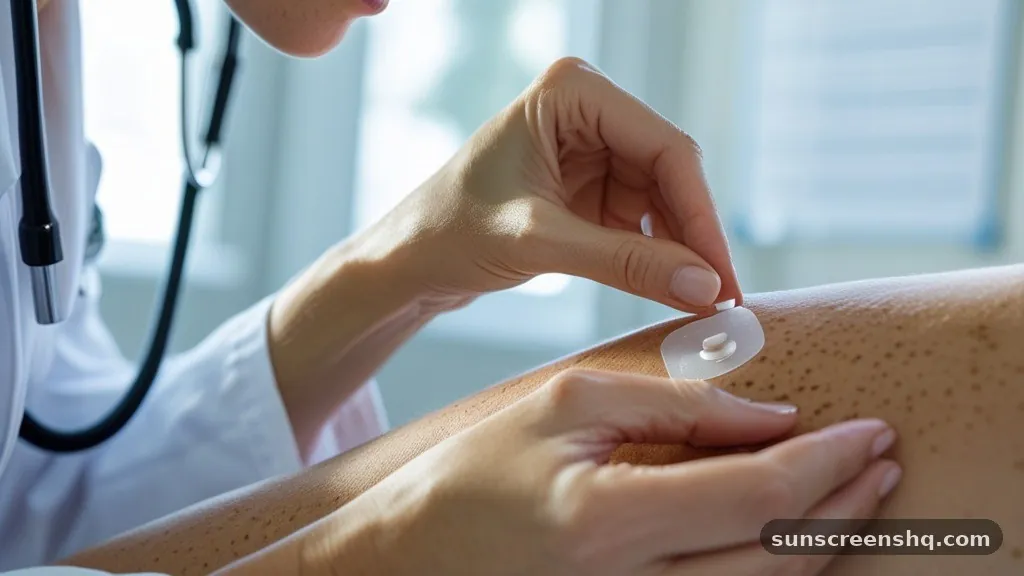
When wondering if sunscreen can cause a rash, the most frequent culprit is direct chemical irritation. Chemical filters in traditional lotions absorb UV rays and convert them into heat, but certain active agents can provoke the outer barrier of your skin. If your skin barrier is already compromised, applying these formulas can trigger localized inflammation, burning, and redness within minutes or hours of application.
Common chemical filters like oxybenzone, avobenzone, and octisalate are notorious for provoking sensitive skin. Unlike true immune-mediated allergies, simple irritant contact dermatitis happens to almost anyone if the concentration is high enough or if the skin is damaged. The reaction usually stays strictly confined to the areas where you applied the product, rarely spreading to untreated parts of the body.
Factors That Increase Irritation Risk
- Applying lotions over freshly shaved or exfoliated areas
- Trapping heavy formulas under tight clothing or sweat
- Using expired formulations where ingredients have degraded
- Layering multiple active skin care treatments underneath your sun protection
Allergic Reactions Versus Simple Irritation
True allergic contact dermatitis is an immune response rather than a simple surface irritation. When your immune system mistakes a harmless ingredient for a dangerous invader, it creates a delayed hypersensitivity reaction. This means the rash might not appear until 48 to 72 hours after you first smoothed the lotion onto your arms or face.
Beyond active UV filters, fragrances and preservatives are leading triggers for these immune-based flare-ups. Even if a bottle says hypoallergenic, it can still contain botanical extracts or stabilizing agents that set off your immune cells. Once you develop a true allergy to a specific compound, your body remembers it, meaning future exposures will trigger a faster and more severe response.
Photoallergic Reactions Triggered by Sunlight
Some reactions require a combination of the topical formula and ultraviolet light to manifest. A photoallergic reaction occurs when sun rays alter the chemical structure of ingredients on your skin, transforming them into allergens that your immune system attacks.
This specific type of dermatitis only appears on sun-exposed areas, often leaving covered skin completely clear. You might notice the rash days after a beach trip, making it tricky to connect the dots back to the original lotion. Dermatologists often use patch testing with light exposure to diagnose these complex sensitivity patterns accurately.
To learn more about how ultraviolet exposure interacts with topical formulas, check out the American Academy of Dermatology guidance on skin reactions for expert medical insights.
Mineral Filters as a Gentle Alternative
If chemical filters consistently leave your skin red and bumpy, switching to physical barriers can change your entire sun care experience. Mineral formulas rely on titanium dioxide and zinc oxide to sit on top of the skin and deflect UV rays like a shield rather than absorbing them.
Because these natural mineral compounds are chemically inert, they rarely cause allergic reactions or cellular irritation. They are widely recommended for children, individuals with eczema, and anyone managing chronic inflammatory skin conditions. Modern formulations blend these minerals smoothly, minimizing the heavy white cast that older versions used to leave behind.
| Feature | Chemical Filters | Mineral Filters |
|---|---|---|
| Mechanism | Absorbs UV rays and converts them to heat | Reflects and scatters UV rays off the skin |
| Skin Feel | Lightweight, absorbs completely | Slightly heavier, sits on the skin surface |
| Irritation Risk | Higher risk due to active absorption | Very low risk, highly gentle |
| Onset of Action | Requires about 15 minutes to bind | Effective immediately upon application |
Identifying What Your Rash Looks Like
Recognizing the visual and physical signs of a sun protection reaction helps you distinguish it from heat rash, bug bites, or normal sunburns. A typical allergic or irritant flare-up features small, red bumps, dry patches, or localized swelling that brings intense itching.
If the reaction is severe, you might develop tiny fluid-filled blisters that ooze before crusting over. The affected skin often feels hot, tight, and extremely sensitive to touch. Keeping a simple log of the products you use can help you pinpoint the exact ingredient responsible for your discomfort.
How to Treat and Heal Irritated Skin
Calming an active reaction requires immediate discontinuation of the offending product and gentle soothing care. Wash the affected area thoroughly with cool water and a mild, fragrance-free cleanser to remove any lingering chemical residue.
Applying cool compresses for ten to fifteen minutes several times a day can significantly reduce inflammation and numb the urge to scratch. Follow up with a plain moisturizer containing ceramides or colloidal oatmeal to repair your damaged skin barrier without introducing new irritants.
Common Questions About Sunscreen Reactions
What does a rash from sunscreen look like?
It typically appears as small red bumps, patches of dry skin, or hives accompanied by intense itching and localized swelling. In more severe cases, tiny fluid-filled blisters may form on the areas where the lotion was applied.
How long does it take for a sunscreen rash to go away?
Mild irritation usually fades within two to three days once you stop using the product. A true allergic contact dermatitis reaction can take anywhere from a week to ten days to completely resolve with proper soothing care.
How can I get rid of a rash caused by sunscreen fast?
Stop using the product immediately, wash the skin gently with cool water, and apply fragrance-free moisturizers or cold compresses. Over-the-counter hydrocortisone cream can help calm severe itching and redness over a few days.
Why would sunscreen suddenly cause a rash when I used it before?
You can develop a contact allergy to an ingredient at any time through repeated exposure. Additionally, manufacturers occasionally reformulate their products, introducing new preservatives or fragrance compounds that your skin may reject.
Conclusion
Dealing with unexpected skin flare-ups can make sun protection feel frustrating, but finding the right formula transforms your routine entirely. By understanding how chemical filters, fragrances, and UV interactions impact your body, you can make informed choices that keep your skin safe and comfortable. If you ever wonder whether sunscreen can cause a rash, remember that listening to your skin is the best diagnostic tool you have.
Switching to a gentle mineral alternative or patch-testing new formulas before full application will help you prevent future discomfort. Prioritize simple ingredients, keep your skin barrier hydrated, and enjoy your time outdoors with complete peace of mind.