

In recent years, tinted sunscreen has gained popularity as a dual-purpose product that provides sun protection while offering a hint of coverage for the skin. However, many people wonder: does tinted sunscreen cause acne? This question is particularly relevant for those with oily or acne-prone skin who are cautious about what they apply to their faces.
In this comprehensive guide, we will delve into the relationship between tinted sunscreen and acne, exploring the ingredients that may contribute to breakouts, the importance of proper formulation, and how to choose the right product for your skin type.
Understanding Tinted Sunscreen
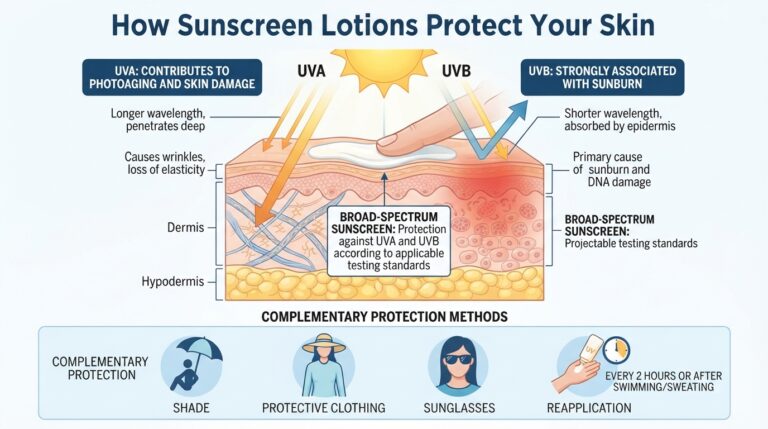
Tinted sunscreen combines UVA/UVB protection with a subtle color to even out skin tone. It often contains mineral or chemical sun blockers, along with pigments to provide coverage. Knowing how these components interact with your skin is essential, especially if you are prone to acne.
Key Ingredients in Tinted Sunscreens
The effectiveness and safety of tinted sunscreen largely depend on its ingredients. Here are some common components found in these products:
- Physical (Mineral) Sunscreens: Ingredients like zinc oxide and titanium dioxide that sit on top of the skin, reflecting UV rays.
- Chemical Sunscreens: Compounds such as avobenzone, octisalate, and octocrylene that absorb UV radiation and convert it into heat.
- Colorants and Pigments: These provide tint and can vary from natural mineral pigments to synthetic dyes.
- Moisturizers: Ingredients like hyaluronic acid and glycerin that keep the skin hydrated.
- Emollients and Thickeners: These help create a creamy texture but may clog pores in some formulations.
Can Tinted Sunscreen Cause Acne?
The short answer to whether tinted sunscreen causes acne is: it depends. The formula, your skin type, and how you apply it all play significant roles. Here are some factors to consider:
Pore-Clogging Ingredients
Some tinted sunscreens contain comedogenic ingredients, which can clog pores and lead to breakouts. Common culprits include:
- Mineral oils
- Certain silicones, like dimethicone
- Heavy waxes and butters
If you have acne-prone skin, look for products labeled as “non-comedogenic,” indicating they are less likely to block pores.
Skin Type Matters
Your skin type significantly affects how tinted sunscreen interacts with your skin. Here’s a breakdown:
| Skin Type | Recommended Tinted Sunscreen |
|---|---|
| Oily/Acne-Prone | Gel-based, oil-free, or matte-finish tinted sunscreens |
| Dry | Hydrating tinted sunscreens with moisturizing ingredients |
| Combination | Lightweight formulas that balance oil and hydration |
| Sensitive | Fragrance-free and hypoallergenic options |
Choosing the Right Tinted Sunscreen
To prevent acne while enjoying the benefits of tinted sunscreen, consider the following tips:
1. Check the Ingredients
Always read the label to identify potentially comedogenic ingredients. Look for products labeled “non-comedogenic” to reduce the risk of breakouts.
2. Patch Test
Before applying a new tinted sunscreen all over your face, perform a patch test on a small area of skin to check for any adverse reactions.
3. Opt for Lightweight Formulas
Choose tinted sunscreens that are lightweight and absorb quickly. Gel or water-based formulations are often ideal for oily skin types.
4. Consider Your Skin’s Needs
Think about your specific skin concerns. If you have acne-prone skin, look for products with added acne-fighting ingredients like salicylic acid or niacinamide.
5. Test Different Shades
Finding the right shade is essential for both aesthetic and functional purposes. Test various shades to ensure they blend well with your skin tone without causing irritation.
Best Practices for Application
How you apply tinted sunscreen can also impact your skin. Follow these best practices:
1. Cleanse Your Skin
Always start with a clean face. Use a gentle cleanser suitable for your skin type to remove excess oil and impurities.
2. Use a Primer
Applying a mattifying or pore-minimizing primer can create a smooth canvas for your tinted sunscreen, helping to prevent it from settling into pores.
3. Apply in Thin Layers
Instead of slathering on a thick layer, apply tinted sunscreen in thin, even layers. This approach allows for better absorption and reduces the risk of clogging pores.
4. Remove Thoroughly at Night
At the end of the day, ensure you remove all products from your face. Use an oil-based cleanser or micellar water followed by your regular cleanser to ensure your skin is clean and free from residue.
Common Misconceptions About Tinted Sunscreen and Acne
There are several myths surrounding tinted sunscreen and its effects on acne-prone skin. Let’s debunk a few:
Myth 1: All Tinted Sunscreens Cause Breakouts
Not all tinted sunscreens will cause acne. The key is to choose the right product based on your skin type and concerns.
Myth 2: Tinted Sunscreen is Only for Fair Skin
Tinted sunscreen is available in various shades to suit all skin tones. Manufacturers are increasingly recognizing the need for inclusivity in beauty products.
Myth 3: You Can Skip Regular Sunscreen If You Use Tinted Sunscreen
While tinted sunscreen offers sun protection, it may not provide the same level of protection as dedicated sunscreens. Always check the SPF and reapply as needed.
Final Thoughts
Does tinted sunscreen cause acne? The answer varies from person to person. By understanding your skin type, checking ingredients, and following best practices for application, you can enjoy the benefits of tinted sunscreen without compromising your skin’s health. Remember that skincare is a personal journey, and it may take some trial and error to find the right product for you.
Incorporating tinted sunscreen into your daily routine can offer both protection and coverage, making it a worthwhile addition. Stay informed, choose wisely, and enjoy the sun safely!