
As summer approaches, many of us start planning our beach vacations, and one of the essential items to pack is sunscreen. But have you ever wondered, is Vacation sunscreen reef safe? With increasing awareness about the impact of certain sunscreen ingredients on marine ecosystems, it’s crucial to understand what makes a sunscreen reef-safe and whether the products you’re using are environmentally friendly.
The Importance of Reef-Safe Sunscreens
Coral reefs are vital to ocean ecosystems, providing habitat for countless marine species, protecting coastlines from erosion, and supporting fishing industries. However, they are under significant threat from climate change, pollution, and harmful chemicals found in many conventional sunscreens. Here are some reasons why choosing reef-safe sunscreens matters:
- Preservation of Marine Life: Certain chemicals can be toxic to coral and fish, disrupting marine biodiversity.
- Protection Against Coral Bleaching: Chemicals like oxybenzone and octinoxate contribute to coral bleaching, which can lead to the death of coral reefs.
- Environmental Responsibility: Using reef-safe products shows a commitment to protecting our oceans and their ecosystems.
What Makes Sunscreen Reef Safe?
To determine if a sunscreen is reef safe, it’s essential to look at its ingredient list. Reef-safe sunscreens typically avoid harmful chemicals and instead use physical blockers. Here’s a breakdown of what to look for:
Key Ingredients to Avoid
The following ingredients are commonly found in non-reef-safe sunscreens and should be avoided:
- Oxybenzone: Known to cause coral bleaching and is harmful to marine life.
- Octinoxate: Linked to coral damage and considered a significant pollutant in marine environments.
- Octocrylene: This ingredient can degrade in sunlight and may also be harmful to sea life.
- Parabens: Often used as preservatives, parabens can disrupt hormonal systems in marine creatures.
Reef-Safe Alternatives
When searching for reef-safe sunscreens, look for those that primarily use mineral-based ingredients. Here are some safe options:
- Zinc Oxide: A physical blocker that provides broad-spectrum UV protection without harming marine life.
- Titanium Dioxide: Another mineral that is effective against UVA and UVB rays and is considered safe for reefs.
Analyzing Vacation Sunscreen
Now that we understand what makes sunscreens reef-safe, let’s analyze Vacation sunscreen specifically. Vacation is a brand that has gained popularity for its vibrant packaging and marketing aimed at beach-goers. But does it meet the criteria for being reef safe?
Ingredients Breakdown
To determine if Vacation sunscreen is reef safe, we must examine its ingredients. Here’s a simplified breakdown of the most common ingredients found in Vacation sunscreens:
| Ingredient | Reef Safe? | Notes |
|---|---|---|
| Zinc Oxide | Yes | Mineral-based, safe for reefs |
| Oxybenzone | No | Harmful to coral reefs |
| Octinoxate | No | Linked to coral bleaching |
| Fragrance | Variable | Could cause skin irritation |
Based on this analysis, if a specific Vacation sunscreen contains harmful ingredients like oxybenzone or octinoxate, it would not be considered reef safe. Always check the product label to ensure the formulation aligns with your environmental values.
Choosing the Right Sunscreen for You and the Ocean
With so many sunscreen options available, how do you choose the right one? Here are some tips to help guide your decision:
1. Read the Label
Always read the ingredient list before purchasing sunscreen. Look for products that explicitly state they are reef safe and avoid harmful chemicals.
2. Check for Certifications
Some brands provide certifications or eco-labels that indicate their commitment to environmental safety. Look for these certifications on the packaging.
3. Consider Your Skin Type
Different skin types may react differently to sunscreen formulations. If you have sensitive skin, opt for mineral-based sunscreens, which are generally gentler.
4. Choose Broad-Spectrum Protection
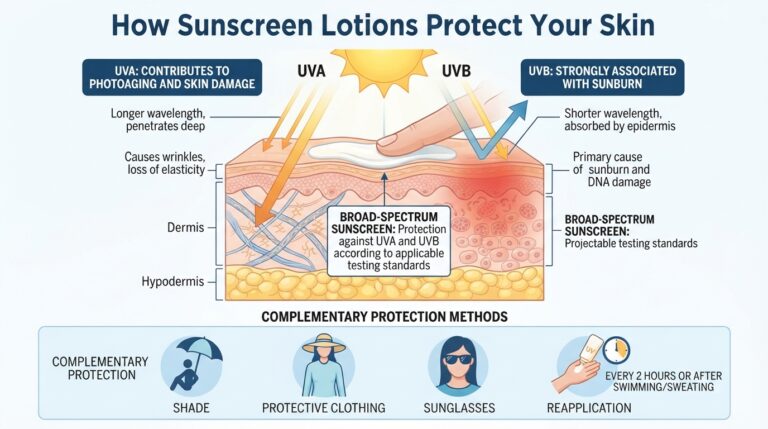
Ensure that the sunscreen offers broad-spectrum protection, which guards against both UVA and UVB rays, essential for skin health.
5. Opt for Water-Resistant Formulas
If you plan on swimming or sweating, choose a water-resistant sunscreen to ensure you remain protected for longer periods.
Additional Tips for Sun Safety
While using reef-safe sunscreen is a significant step towards protecting the environment, here are some additional sun safety tips to consider:
- Apply Generously: Use enough sunscreen—about an ounce for full body coverage.
- Reapply Regularly: Reapply every two hours and immediately after swimming or sweating.
- Seek Shade: Whenever possible, find shade to minimize sun exposure, especially during peak hours.
- Wear Protective Clothing: Use hats, sunglasses, and UV-protective clothing in addition to sunscreen for maximum protection.
The Future of Sunscreens and Marine Conservation
As awareness about the effects of sunscreen on marine ecosystems grows, many brands are shifting towards more eco-friendly formulations. The future of sunscreens is likely to focus on:
- Sustainable Sourcing: Ingredients that are harvested in a way that preserves marine ecosystems.
- Innovative Formulations: Development of new compounds that provide UV protection without harming marine life.
- Consumer Education: Increased emphasis on educating consumers about the importance of reef-safe products.
Conclusion
So, is Vacation sunscreen reef safe? The answer lies in the specific ingredients used in each formulation. As consumers, it’s our responsibility to educate ourselves and make informed choices that not only protect our skin but also safeguard our oceans. By opting for reef-safe sunscreens, we contribute to the preservation of coral reefs and marine life for future generations. Remember, the next time you pack for a beach vacation, think not just about your sun protection, but also about the impact your choices have on the environment.