
When it comes to protecting our skin from harmful UV rays, Neutrogena Ultra Sheer Sunscreen is a popular choice for many. However, a growing concern among environmentally-conscious consumers is whether this sunscreen is reef safe. In this article, we will explore the ingredients of Neutrogena Ultra Sheer Sunscreen, its impact on marine ecosystems, and what you can do to make informed choices for both your skin and the environment.
Understanding Sunscreen and Its Importance
Sunscreen plays a crucial role in protecting our skin from the sun’s harmful ultraviolet (UV) rays. These rays can lead to skin damage, premature aging, and increase the risk of skin cancer. Regular use of sunscreen can significantly reduce these risks. However, as awareness of environmental issues grows, many people are questioning the impact of certain sunscreen ingredients on marine life.
The Basics of UV Radiation
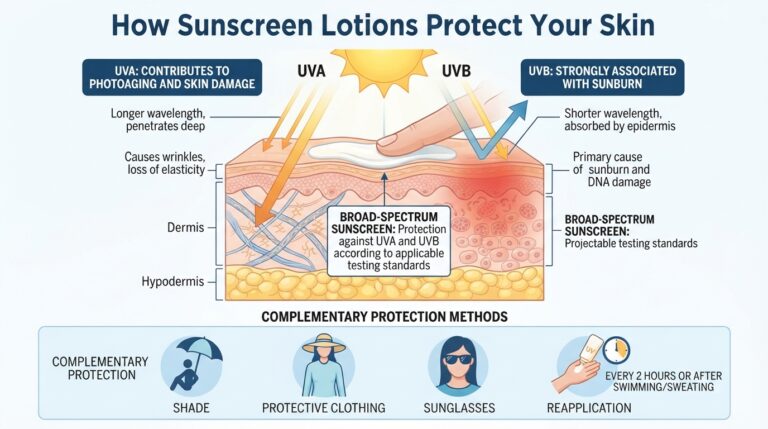
UV radiation is divided into three types: UVA, UVB, and UVC. Here’s a brief overview:
- UVA: These rays penetrate deep into the skin and are primarily responsible for aging and wrinkling.
- UVB: These rays cause sunburn and play a significant role in developing skin cancer.
- UVC: These are the most harmful rays, but thankfully, they are absorbed by the Earth’s atmosphere and do not reach the surface.
Why Sunscreen is Essential
Using sunscreen helps to:
- Prevent sunburn and skin damage.
- Reduce the risk of skin cancer.
- Protect against signs of aging.
- Maintain even skin tone.
What Makes a Sunscreen Reef Safe?
Reef-safe sunscreen refers to products that do not contain harmful chemicals that can damage coral reefs and marine life. The most commonly discussed harmful ingredients are:
- Oxybenzone: A chemical that can cause coral bleaching.
- Octinoxate: Another ingredient linked to coral damage.
- Parabens and Phthalates: Chemicals that can disrupt marine ecosystems.
Regulations and Reef Safety
Several regions, including Hawaii and Key West, have implemented bans on sunscreens containing oxybenzone and octinoxate due to their harmful effects on coral reefs. As a result, many consumers are now seeking reef-safe alternatives.
Analyzing Neutrogena Ultra Sheer Sunscreen
Neutrogena Ultra Sheer Sunscreen is well-known for its lightweight feel and high SPF protection. However, to determine if it’s reef safe, we need to take a closer look at its ingredient list.
Key Ingredients in Neutrogena Ultra Sheer Sunscreen
Neutrogena Ultra Sheer typically contains the following active ingredients:
- Avobenzone: Provides broad-spectrum protection against UVA rays.
- Homosalate: Helps absorb UVB rays.
- Octisalate: Stabilizes other sunscreen ingredients.
- Octocrylene: Provides UV protection and acts as a moisturizer.
Is Neutrogena Ultra Sheer Sunscreen Reef Safe?
After reviewing the ingredient list, it’s important to note that Neutrogena Ultra Sheer Sunscreen does not contain oxybenzone or octinoxate, which are the primary culprits linked to coral bleaching. However, it does include other chemical filters that have not been thoroughly studied regarding their effects on marine ecosystems.
Environmental Impact of Chemical Sunscreens
While Neutrogena Ultra Sheer Sunscreen may not contain the most harmful chemicals, the impact of chemical sunscreens on marine life is a complex issue. Research has shown that certain chemical filters can still pose risks to aquatic environments, leading to disruptions in marine ecosystems.
Statistics on Sunscreen Pollution
According to recent studies, it is estimated that:
- Over 14,000 tons of sunscreen enter coral reef areas annually.
- More than 50% of coral reefs are currently facing threats from pollution, including sunscreen chemicals.
Choosing Eco-Friendly Sunscreen Options
For those concerned about the environmental impact of their sunscreen, here are some tips for choosing reef-safe options:
Look for Mineral-Based Ingredients
Mineral sunscreens, which contain zinc oxide or titanium dioxide, are generally considered safer for marine ecosystems. These ingredients work by sitting on the surface of the skin and physically blocking UV rays, rather than being absorbed. Benefits include:
- Broad-spectrum protection.
- Less likely to cause skin irritation.
- Less harmful to marine life.
Check for Certifications
Some brands are committed to producing environmentally-friendly sunscreens and often carry certifications. Look for products labeled as:
- Reef Safe
- Eco-Certified
- Biodegradable
Read Labels Carefully
Before purchasing any sunscreen, take the time to read the label. Avoid products with the following ingredients:
- Oxybenzone
- Octinoxate
- Parabens
- Fragrances
Practical Tips for Sunscreen Usage
Using sunscreen effectively is just as important as the type of sunscreen you choose. Here are some practical tips:
Apply Generously
Most people do not apply enough sunscreen. Aim for at least one ounce (a shot glass full) for full body coverage.
Reapply Regularly
Reapply sunscreen every two hours, or immediately after swimming or sweating, to maintain protection.
Choose the Right SPF
For everyday use, an SPF of 30 is generally sufficient. For prolonged sun exposure, consider higher SPFs.
Conclusion: Balancing Skin Protection and Environmental Responsibility
In conclusion, while Neutrogena Ultra Sheer Sunscreen does not contain some of the most harmful ingredients associated with coral bleaching, it is essential to remain informed about all active ingredients and their potential environmental impacts. Opting for mineral-based sunscreens and being mindful of product labels can help you protect your skin while also being a responsible steward of our oceans. By making informed choices, you can enjoy the sun safely and contribute to the preservation of marine ecosystems.
Frequently Asked Questions
Is Neutrogena Ultra Sheer Sunscreen safe for sensitive skin?
Many users find it to be lightweight and non-irritating, but sensitive skin may react differently. Always perform a patch test if you have concerns.
How often should I apply Neutrogena Ultra Sheer Sunscreen?
It is recommended to reapply every two hours, or immediately after swimming or sweating, for optimal protection.
Can I use Neutrogena Ultra Sheer Sunscreen on my face?
Yes, it is suitable for facial use. However, consider looking for formulations specifically designed for the face if you have sensitive skin or are prone to breakouts.