
As the sun shines brightly and summer approaches, many people find themselves questioning, “Does sunscreen help you tan?” The desire for a sun-kissed glow often leads to confusion regarding the use of sunscreen. In this comprehensive guide, we will explore the relationship between sunscreen and tanning, providing you with the insights you need to enjoy your time in the sun safely.
Understanding Tanning and Skin Protection
Tanning occurs when your skin produces more melanin in response to ultraviolet (UV) radiation from the sun. This natural process is your body’s way of protecting deeper layers of skin from damage. While it may seem appealing to achieve a tan, it’s essential to understand the risks associated with UV exposure, including skin cancer and premature aging.
The Role of Sunscreen
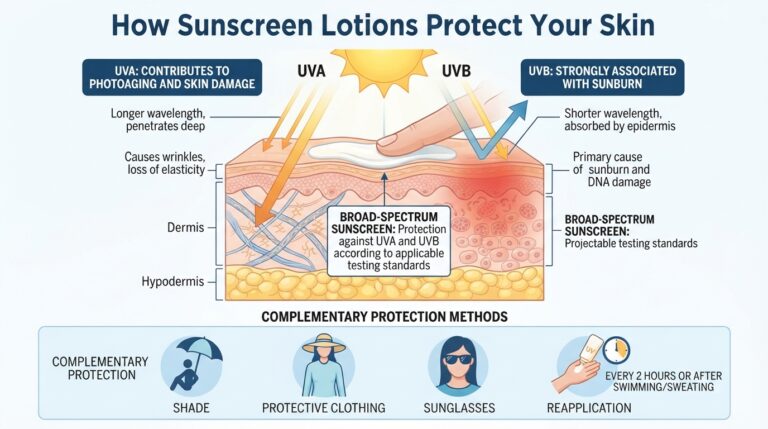
Sunscreen is designed to protect your skin from harmful UV rays. It works by absorbing or reflecting UV radiation, which can help prevent sunburn and long-term skin damage. However, many people wonder if using sunscreen will inhibit their ability to tan.
Does Sunscreen Help You Tan?
The short answer is no; sunscreen does not help you tan in the traditional sense. Instead, it helps to protect your skin while allowing you to tan more gradually and safely. Here are some key points to consider:
- SPF Protection: Sunscreens are labeled with a Sun Protection Factor (SPF), which indicates the level of protection they provide against UVB rays. Higher SPF numbers mean greater protection, but they do not completely block tanning.
- Broad Spectrum: A broad-spectrum sunscreen protects against both UVA and UVB rays. UVA rays penetrate deeper and can contribute to tanning, while UVB rays are primarily responsible for sunburn.
- Moderation is Key: Using sunscreen allows for safer sun exposure, which can lead to a gradual tan without the immediate risks of sunburn.
How Sunscreen Affects Tanning
While sunscreen doesn’t help you tan faster, it does influence the tanning process in several ways. Understanding how sunscreen interacts with your skin can help you achieve a safe and beautiful tan.
Gradual Tanning
When you wear sunscreen, you are less likely to burn, which means you can be in the sun for longer periods without damaging your skin. This can lead to a gradual tan over time, as opposed to a quick, intense tan that often results in peeling and skin damage.
Skin Type and Tanning
Your skin type plays a significant role in how you tan. Individuals with lighter skin may find that they burn more quickly, while those with darker skin may tan more easily. Regardless of your skin type, applying sunscreen is crucial. Here’s a breakdown of how different skin types respond to tanning:
| Skin Type | Description | Tanning Response |
|---|---|---|
| Type I | Very fair skin, often burns easily | Minimal tanning, high risk of burns |
| Type II | Fair skin, burns easily but can tan | Light tan, moderate risk of burns |
| Type III | Medium skin, tans gradually | Good tanning potential, lower risk of burns |
| Type IV | Olive skin, rarely burns | Deep tan, minimal burns |
| Type V | Brown skin, very rarely burns | Very deep tan |
| Type VI | Dark brown/black skin, never burns | Deepest tan |
The Importance of Choosing the Right Sunscreen
Not all sunscreens are created equal, and selecting the right one is crucial for both skin protection and achieving a tan. Here are some factors to consider:
Sun Protection Factor (SPF)
Choose a sunscreen with an SPF of at least 30 for optimal protection. Higher SPF ratings provide more protection against UVB rays but remember that no sunscreen can block 100% of UV rays.
Water Resistance
If you plan on swimming or sweating, opt for a water-resistant sunscreen. These formulations provide extended protection and should be reapplied every two hours, especially after swimming or towel drying.
Formulation Types
Sunscreens come in various formulations, including lotions, sprays, gels, and sticks. Your choice may depend on personal preference, skin type, and intended use:
- Lotions: Great for even coverage, suitable for all skin types.
- Sprays: Convenient for quick application, but ensure thorough coverage.
- Gels: Lightweight and ideal for oily skin.
- Sticks: Perfect for sensitive areas like the face and around the eyes.
Best Practices for Tanning Safely
While you may want to achieve a beautiful tan, safety should always come first. Here are some best practices for tanning while using sunscreen:
Apply Sunscreen Generously
Most people do not apply enough sunscreen. Use about an ounce (a shot glass full) to cover your entire body. Don’t forget areas like your ears, back of your neck, and tops of your feet.
Reapply Regularly
Reapply sunscreen every two hours or immediately after swimming or sweating. This ensures continuous protection, allowing for safer sun exposure.
Avoid Peak Sun Hours
The sun’s rays are strongest between 10 a.m. and 4 p.m. If possible, limit your sun exposure during these hours to reduce your risk of burns and skin damage.
Alternative Tanning Options
If you’re looking for a tan without the sun exposure, consider these alternative options:
- Self-Tanners: These products contain dihydroxyacetone (DHA) which reacts with the skin’s surface to create a temporary tan.
- Tanning Lotions and Sprays: These can provide an instant tan without the need for UV exposure.
- Bronzers: Makeup products that provide a temporary tan, perfect for special occasions.
Conclusion
In summary, the question “Does sunscreen help you tan?” can be answered with a resounding no. Sunscreen does not accelerate tanning but protects your skin while allowing for a safer tanning process. By using the right sunscreen, applying it correctly, and following best practices, you can enjoy the sun while minimizing the risks associated with UV exposure. Remember, achieving a beautiful tan takes time and patience, and your skin’s health should always come first.
As you head into the sun this season, arm yourself with the knowledge of how sunscreen interacts with tanning. With the right approach, you can achieve that sun-kissed glow while keeping your skin safe and healthy.