
As summer approaches and the sun shines brighter, many of us reach for sunscreen to protect our skin. But have you ever wondered when sunscreen came out and how it evolved over the years? Understanding the history of this essential product not only highlights its importance but also sheds light on the advances in skin care and sun protection.
The Early Days of Sun Protection
The concept of sun protection isn’t new. Before the advent of modern sunscreen, various cultures employed different methods to shield their skin from the sun’s harmful rays. Ancient Egyptians, for instance, used a mixture of rice bran, jasmine, and olive oil to protect their skin. Similarly, indigenous peoples around the world utilized natural ingredients like zinc oxide and red ochre for sun protection.
Natural Ingredients and Early Formulations
These early methods were effective in some ways, but they lacked the scientific foundation we have today. The first recorded use of a sunscreen-like product can be traced back to the 1930s. One of the first commercial sunscreen products was developed by a chemist named Franz Greiter, who formulated a cream known as “Gletscher Creme” in 1938. This product was designed to protect skiers from the harsh reflective rays of the sun on snow-covered mountains.
The Birth of Modern Sunscreen
When did sunscreen come out in a form we would recognize today? The answer lies in the mid-20th century. The 1940s and 1950s marked a significant turning point in sunscreen development, as increased awareness of the dangers of UV radiation emerged.
Key Innovations and Ingredients
Several innovations contributed to the modern sunscreen we use today:
- In 1946, the first commercial sunscreen was introduced in the United States by the company Coppertone. It was marketed as a product that not only protected the skin but also helped achieve a tan.
- In the 1960s, the introduction of UV filters like PABA (para-aminobenzoic acid) and later, oxybenzone, revolutionized the way sunscreens worked.
- The SPF (Sun Protection Factor) system was developed in the 1970s, allowing consumers to understand the level of protection offered by different products.
Understanding SPF and Its Importance
Sun Protection Factor, or SPF, is a critical aspect of sunscreen. It measures the level of protection against UVB rays, which are primarily responsible for sunburn and contribute to skin cancer.
How SPF Works
To break it down simply:
- An SPF of 15 blocks approximately 93% of UVB rays.
- An SPF of 30 blocks about 97% of UVB rays.
- An SPF of 50 blocks around 98% of UVB rays.
While higher SPF numbers do offer greater protection, it’s essential to remember that no sunscreen can provide 100% protection. Therefore, reapplication every two hours and using other protective measures, such as wearing hats or UV-blocking clothing, is vital.
Recent Developments in Sunscreen Technology
Fast forward to today, and the sunscreen industry has continued to innovate. New formulations are being developed that cater to different skin types and preferences, including:
- Water-resistant formulas
- Mineral-based sunscreens with zinc oxide and titanium dioxide
- Sunscreens with added skincare benefits, such as antioxidants
The Rise of Mineral Sunscreens
In recent years, there has been a growing demand for mineral-based sunscreens. These products are often preferred by consumers looking for gentler, more natural options. Mineral sunscreens work by sitting on top of the skin and physically blocking UV rays, as opposed to chemical sunscreens that absorb UV radiation.
Global Regulations and Safety Standards
As sunscreen formulations have evolved, so too have regulations governing their safety and efficacy. The U.S. Food and Drug Administration (FDA) has established guidelines that manufacturers must follow, ensuring that products are tested and labeled correctly.
Key Regulatory Bodies
| Regulatory Body | Country/Region | Role |
|---|---|---|
| FDA | United States | Regulates over-the-counter sunscreen products |
| Health Canada | Canada | Sets standards for sunscreen safety and effectiveness |
| European Commission | European Union | Establishes regulations for cosmetic products, including sunscreens |
The Importance of Sunscreen Today
With the growing awareness of skin cancer and the harmful effects of UV exposure, the importance of sunscreen cannot be overstated. The Skin Cancer Foundation recommends applying sunscreen daily, even on cloudy days, to ensure adequate protection.
Statistics on Skin Cancer
Consider these alarming statistics:
- One in five Americans will develop skin cancer in their lifetime.
- More than 9,500 people in the U.S. are diagnosed with skin cancer every day.
- Melanoma, the deadliest form of skin cancer, has increased significantly in recent years, particularly among young adults.
How to Choose the Right Sunscreen
With so many options on the market, selecting the right sunscreen can be overwhelming. Here are some key factors to consider:
Skin Type
Different skin types may require different formulations. For example:
- Oily skin may benefit from a gel-based or oil-free sunscreen.
- Dry skin may require a cream-based sunscreen with moisturizing properties.
- Sensitive skin can often tolerate mineral sunscreens better than chemical ones.
Broad Spectrum Protection
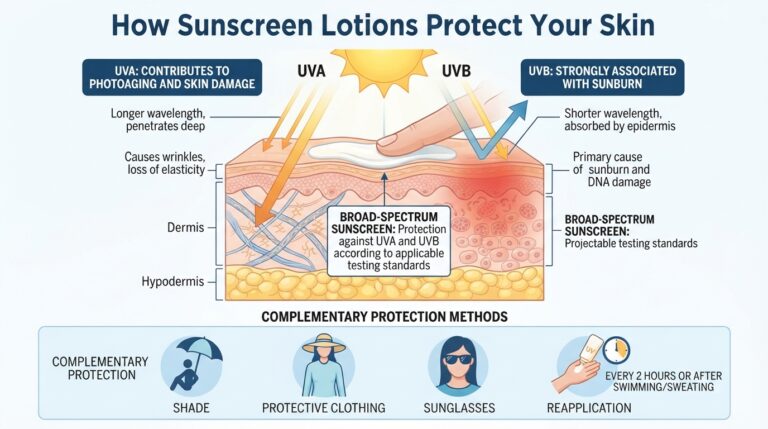
Always look for products labeled “broad spectrum,” as they protect against both UVA and UVB rays. UVA rays are responsible for premature skin aging and can penetrate windows, while UVB rays are primarily responsible for sunburn.
Water Resistance
If you plan on swimming or sweating, opt for a water-resistant sunscreen, which will maintain its SPF protection for a specific duration while wet.
Practical Tips for Sunscreen Application
Proper application of sunscreen is just as important as choosing the right product. Here are some tips to ensure maximum protection:
- Apply sunscreen generously to all exposed skin at least 15 minutes before sun exposure.
- Reapply every two hours, or immediately after swimming or sweating.
- Don’t forget areas often overlooked, such as the ears, back of the neck, and tops of the feet.
Conclusion
From its humble beginnings in the 1930s to the advanced formulations available today, sunscreen has come a long way. Understanding when sunscreen came out and its evolution highlights the importance of protecting our skin from harmful UV rays. As we continue to learn more about skin cancer and sun safety, the significance of using sunscreen daily cannot be emphasized enough. So, the next time you step outside, remember to apply your sunscreen and enjoy the sun safely!