
When the sun is shining bright, the importance of sunscreen cannot be overstated. Many adults wonder, can adults use kids sunscreen? The answer may surprise you. While kids’ sunscreen is formulated specifically for children’s sensitive skin, it may also be suitable for adults. In this comprehensive guide, we will explore the nuances of using kids’ sunscreen, its benefits, potential drawbacks, and expert advice on sun protection for all ages.
Understanding Sunscreen Formulations
Before diving into the specifics of using kids’ sunscreen, it’s essential to understand how sunscreen works and the different types available in the market.
What is Sunscreen?
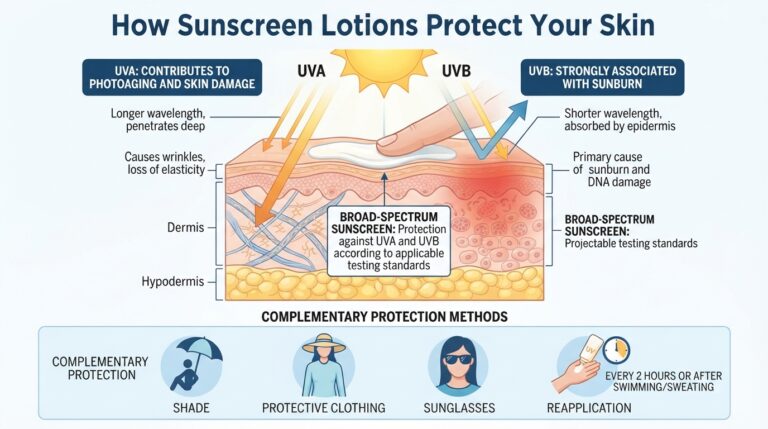
Sunscreen is a topical product designed to protect the skin from the harmful effects of ultraviolet (UV) radiation. Two primary types of UV radiation can damage the skin:
- UVA rays: These rays penetrate the skin deeply and can lead to premature aging and skin cancer.
- UVB rays: These rays primarily affect the surface of the skin, causing sunburn and contributing to skin cancer.
Sunscreens are rated by their Sun Protection Factor (SPF), which indicates the level of protection against UVB rays. However, it is important to note that SPF does not measure protection against UVA rays, which is where broad-spectrum sunscreens come into play.
Types of Sunscreen
Sunscreens can be classified into two main categories:
- Chemical Sunscreens: These contain organic compounds that absorb UV radiation and convert it into heat, which is then released from the skin.
- Physical (Mineral) Sunscreens: These contain active mineral ingredients such as zinc oxide or titanium dioxide, which sit on the skin’s surface and reflect UV rays.
Kids Sunscreen vs. Adults Sunscreen
Kids sunscreen is specifically formulated to cater to the delicate and sensitive skin of children. Here are some differences between kids and adults sunscreen:
| Feature | Kids Sunscreen | Adults Sunscreen |
|---|---|---|
| Active Ingredients | Often contains mineral ingredients like zinc oxide or titanium dioxide | May contain chemical filters or a mix of chemical and physical filters |
| Fragrance | Usually fragrance-free or mild | Can be scented with various fragrances |
| Formulation | Thicker, creamier texture for easy application | Variety of textures including gels, sprays, and lotions |
| Water Resistance | Often designed to be highly water-resistant | Varies; some may not be water-resistant |
Benefits of Using Kids Sunscreen as an Adult
Now that we understand the differences, let’s explore why adults might consider using kids sunscreen.
1. Gentle Formulation
Kids sunscreens are typically formulated without harsh chemicals and fragrances, making them suitable for sensitive skin. Adults with sensitive skin or allergies may find these formulations beneficial.
2. Effective Protection
Many kids sunscreens use physical blockers, which can be effective for a broad range of skin types. These sunscreens provide effective protection against both UVA and UVB rays.
3. Less Irritation
Since kids’ sunscreens are designed not to irritate delicate skin, they may be a good option for adults with skin conditions such as eczema or rosacea.
4. Water Resistance
Most kids sunscreens are designed to be water-resistant, making them ideal for beach days, swimming, or outdoor activities.
Potential Drawbacks of Using Kids Sunscreen
While there are benefits, there are also some considerations to keep in mind when using kids sunscreen as an adult.
1. Texture and Feel
Kids sunscreens often have a thicker, creamier texture that may feel heavy or greasy on adult skin. This could be an issue for those who prefer lighter formulations.
2. Limited Availability of Variants
Adults may prefer sunscreens with additional features, such as anti-aging properties or tinted formulations, which are less common in kids’ products.
3. Application Needs
Some adults may find the application process cumbersome, as kids sunscreens are often thicker and require more effort to spread evenly on the skin.
Expert Recommendations for Sunscreen Use
When considering whether to use kids sunscreen, experts have shared some valuable tips and recommendations:
- Check the SPF: Ensure the sunscreen has a minimum SPF of 30 for effective protection.
- Look for Broad-Spectrum Protection: Choose products that protect against both UVA and UVB rays.
- Consider Skin Type: If you have oily or acne-prone skin, you may prefer lighter formulations.
- Patch Test: Always conduct a patch test to check for any allergic reactions before applying it all over your body.
How to Apply Sunscreen Properly
Regardless of whether you opt for kids or adult sunscreen, proper application is crucial for effective protection. Here’s how to apply sunscreen effectively:
- Apply Generously: Use about one ounce (a shot glass full) for full-body coverage.
- Apply Before Sun Exposure: Apply sunscreen 15 to 30 minutes before going outdoors.
- Reapply Regularly: Reapply every two hours or immediately after swimming or sweating.
- Don’t Forget Key Areas: Pay special attention to areas like the ears, back of the neck, and tops of the feet.
Alternatives to Kids Sunscreen for Adults
If you decide that kids sunscreen is not suitable for your needs, there are plenty of alternatives available. Here are some options:
- Mineral Sunscreen: Look for formulations with zinc oxide or titanium dioxide for gentle, effective protection.
- Gel Formulations: Lightweight and non-greasy, gels can be ideal for oily skin types.
- Spray Sunscreens: Convenient for quick application, but ensure even coverage.
Conclusion
In summary, the question, can adults use kids sunscreen, has a nuanced answer. While kids sunscreen is primarily designed for children, its gentle formulation and effective protection can make it a viable option for adults as well. However, it’s important to consider your skin type, preferences, and the specific needs of your outdoor activities. Always remember that the key to effective sun protection lies in proper application and reapplication. Whether you choose kids sunscreen or an adult formulation, the most important thing is to protect your skin from harmful UV rays.