
As summer approaches, many of us start to stock up on sunscreen to protect our skin from harmful UV rays. But a common question arises: can you use expired sunscreen? Understanding the implications of using sunscreen past its expiration date is crucial for your skin’s health. This article will delve into the safety, effectiveness, and best practices surrounding expired sunscreen.
The Importance of Sunscreen
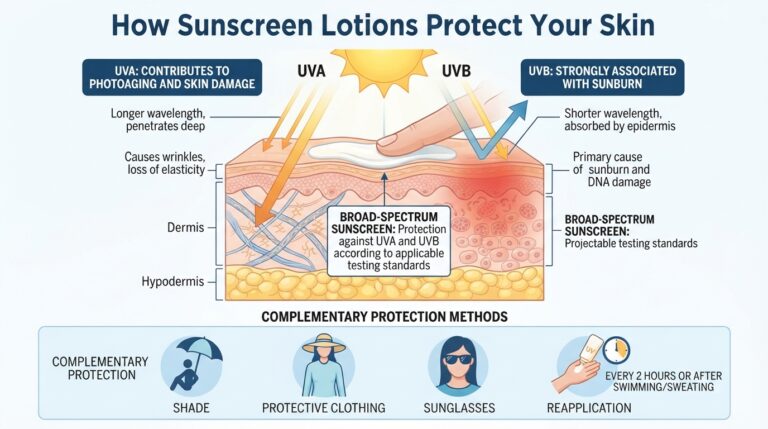
Before we dive into the specifics of expired sunscreen, it’s important to understand why sunscreen is vital for skin protection. Sunscreen helps:
- Prevent sunburn
- Reduce the risk of skin cancer
- Prevent premature aging
- Maintain an even skin tone
According to the Skin Cancer Foundation, regular use of sunscreen can reduce the risk of melanoma by 50%. With such significant benefits, ensuring your sunscreen is effective is paramount, especially when considering expired products.
What Happens When Sunscreen Expires?
Effectiveness of Expired Sunscreen
One of the main concerns with using expired sunscreen is its effectiveness. Sunscreens are formulated with active ingredients that provide protection against UVA and UVB rays. Over time, these ingredients can degrade, leading to:
- Reduced SPF protection
- Altered consistency and texture
- Poor application and absorption
Studies suggest that the active ingredients in sunscreen can lose potency over time. A sunscreen that has expired may not provide the level of protection indicated on the label, exposing your skin to harmful UV rays.
Safety Concerns
While using expired sunscreen may not pose immediate health risks, it does increase the likelihood of sunburn and long-term skin damage. Additionally:
- Expired sunscreen can cause skin irritation or allergic reactions.
- Changes in texture or smell might indicate that the product is no longer safe to use.
For these reasons, it’s best to err on the side of caution and avoid using sunscreen that has passed its expiration date.
How to Check if Your Sunscreen is Expired
Checking if your sunscreen is expired is relatively straightforward. Here are some steps to follow:
- Look for the expiration date on the bottle. Most sunscreens have a label that indicates when the product is no longer effective.
- If the expiration date is not visible, check for any changes in color, consistency, or smell.
- Perform a patch test on a small area of skin to see if any irritation occurs.
By following these steps, you can ensure that you are using safe and effective sunscreen.
Best Practices for Sunscreen Storage
How you store your sunscreen can significantly impact its shelf life. Here are some best practices for keeping your sunscreen effective:
- Store sunscreen in a cool, dry place away from direct sunlight.
- Keep the cap tightly closed to prevent contamination.
- Avoid leaving sunscreen in hot environments, such as your car.
Proper storage can extend the life of your sunscreen, helping you get the most out of your purchase.
Choosing the Right Sunscreen
Types of Sunscreen
When selecting a sunscreen, consider the following types:
| Type | Description | Best For |
|---|---|---|
| Chemical Sunscreen | Absorbs UV radiation and converts it to heat. | Daily use and water-resistant activities. |
| Physical (Mineral) Sunscreen | Contains zinc oxide or titanium dioxide that sits on top of the skin. | Sensitive skin and immediate protection after application. |
SPF Ratings
The Sun Protection Factor (SPF) rating indicates the level of protection a sunscreen offers. Here are some general guidelines:
- SPF 15: Blocks about 93% of UVB rays.
- SPF 30: Blocks about 97% of UVB rays.
- SPF 50: Blocks about 98% of UVB rays.
For daily use, a minimum of SPF 30 is recommended, especially for prolonged sun exposure.
How to Apply Sunscreen Effectively
To maximize the effectiveness of sunscreen, proper application is essential. Here’s a step-by-step guide:
- Apply sunscreen liberally 15 minutes before sun exposure.
- Use about an ounce (a shot glass full) for full body coverage.
- Reapply every two hours and immediately after swimming or sweating.
- Don’t forget areas like your ears, feet, and scalp.
By following these steps, you can ensure that your skin is well protected from UV damage.
Alternatives to Sunscreen
While sunscreen is essential, it’s not the only way to protect your skin from the sun. Consider these alternatives:
- Wear protective clothing, such as long sleeves and wide-brimmed hats.
- Seek shade during peak sun hours (10 a.m. to 4 p.m.).
- Use UV-blocking sunglasses to protect your eyes.
Combining these methods with sunscreen will provide comprehensive protection against sun damage.
Final Thoughts
So, can you use expired sunscreen? The answer leans heavily towards “no.” While it might not be immediately harmful, the decreased effectiveness of expired sunscreen can significantly compromise your skin’s safety. Always check expiration dates, store your products properly, and choose high-quality sunscreens that suit your skin type. By following these guidelines, you can enjoy the sun safely and keep your skin healthy for years to come.