
When the sun is shining bright, many of us envision basking in its warmth while achieving that perfect sun-kissed glow. A common question arises: can you get a tan with sunscreen on? The answer is more nuanced than a simple yes or no, and understanding how sunscreen works is crucial for anyone looking to enjoy the sun safely.
Understanding Sunscreen
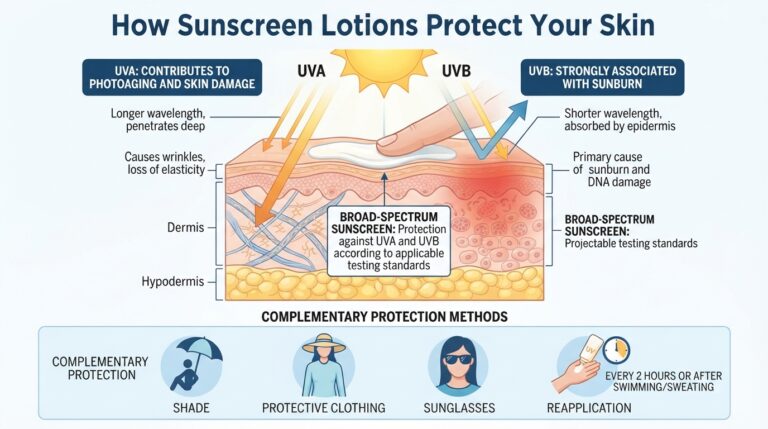
Sunscreen is a product designed to protect your skin from the harmful effects of ultraviolet (UV) rays. These rays are divided into two categories: UVA and UVB.
- UVA rays: These rays penetrate deep into the skin and are primarily responsible for premature aging and skin cancer.
- UVB rays: These rays cause sunburn and are the primary cause of skin cancer.
Most sunscreens provide a combination of protection against both UVA and UVB rays. They contain active ingredients that either absorb or reflect UV radiation, thereby reducing skin damage.
The Science Behind Tanning
When your skin is exposed to UV radiation, it stimulates the production of melanin, the pigment responsible for the color of your skin. This process leads to tanning, which is essentially your body’s way of protecting deeper layers of skin from damage.
Here’s how the tanning process works:
- UV rays penetrate the skin.
- Melanocytes (cells in the skin) produce more melanin.
- The increased melanin causes the skin to darken, creating a tan.
Can You Tan with Sunscreen?
The short answer is yes, you can still tan while wearing sunscreen, but the extent of tanning will depend on several factors:
1. SPF Level
The Sun Protection Factor (SPF) rating of your sunscreen indicates how well it protects against UVB rays. Here’s a quick breakdown:
| SPF Level | Protection Duration | UVB Protection Percentage |
|---|---|---|
| 30 | 30 times longer than without | 97% |
| 50 | 50 times longer than without | 98% |
| 100 | 100 times longer than without | 99% |
While higher SPF offers more protection, it doesn’t block all UV rays, which means you can still tan.
2. Application Method
How you apply sunscreen matters significantly. Here are some tips for ensuring you get the most protection:
- Apply generously: Use about an ounce (a shot glass full) for full-body coverage.
- Reapply regularly: Every two hours, or immediately after swimming or sweating.
- Apply before sun exposure: Apply sunscreen at least 15-30 minutes before heading outdoors.
3. Time Spent in the Sun
Your tanning results also depend on how long you are exposed to the sun. Longer exposure, even with sunscreen, can lead to a tan. However, it’s essential to balance tanning with the risk of skin damage.
Risks of Tanning with Sunscreen
While tanning can be appealing, it’s important to be aware of the risks associated with sun exposure, even when using sunscreen:
- Skin Damage: Prolonged UV exposure can lead to sunburn, premature aging, and increase the risk of skin cancer.
- False Sense of Security: Some people may feel overconfident with sunscreen and stay in the sun longer than they should.
- Allergic Reactions: Some individuals may experience allergic reactions to certain sunscreen ingredients.
How to Tan Safely with Sunscreen
If you’re determined to achieve a tan while minimizing risks, consider the following tips:
1. Choose Broad-Spectrum Sunscreen
Select a broad-spectrum sunscreen that protects against both UVA and UVB rays. Look for an SPF of at least 30 for adequate protection.
2. Limit Exposure Time
Start with short intervals of sun exposure, especially during peak hours (10 AM to 4 PM) when UV rays are strongest. Gradually increase your time in the sun.
3. Stay Hydrated
Drink plenty of water to keep your skin hydrated, which can help maintain its elasticity and overall health.
4. Monitor Your Skin
Keep an eye on your skin for any signs of burning or unusual changes. If you notice redness or discomfort, seek shade immediately.
Alternatives to Natural Tanning
If the risks of tanning in the sun concern you, consider these alternatives:
- Self-Tanners: These products provide a tan without sun exposure. They contain dihydroxyacetone (DHA), which reacts with the skin’s surface to create a tanned appearance.
- Tanning Beds: While they may offer a quick tan, they are associated with an increased risk of skin cancer and are not recommended by health experts.
- Bronzers: These are cosmetic products that temporarily darken the skin and can be washed off at the end of the day.
The Bottom Line
In conclusion, the question “can you get a tan with sunscreen on?” can be answered affirmatively, but with important caveats. Sunscreen is essential for protecting your skin from harmful UV rays, but it does not entirely prevent tanning. Understanding how sunscreen works, applying it correctly, and limiting sun exposure will help you achieve a tan more safely. Remember, your skin’s health should always come first, so take the necessary precautions to enjoy the sun responsibly.
As you plan your sun-soaked days, keep in mind the importance of protecting your skin. With a thoughtful approach, you can enjoy the beauty of a tan while minimizing the risks associated with UV exposure.