
When it comes to sun protection, many people are turning to mineral sunscreen as a safer and more effective option. However, a common concern is: does mineral sunscreen leave a white cast? This question is crucial for those who want to enjoy the sun without compromising their skin’s appearance. In this blog post, we will delve into the science behind mineral sunscreens, why they may leave a white cast, and how you can choose the right products for your skin type.
The Basics of Mineral Sunscreen
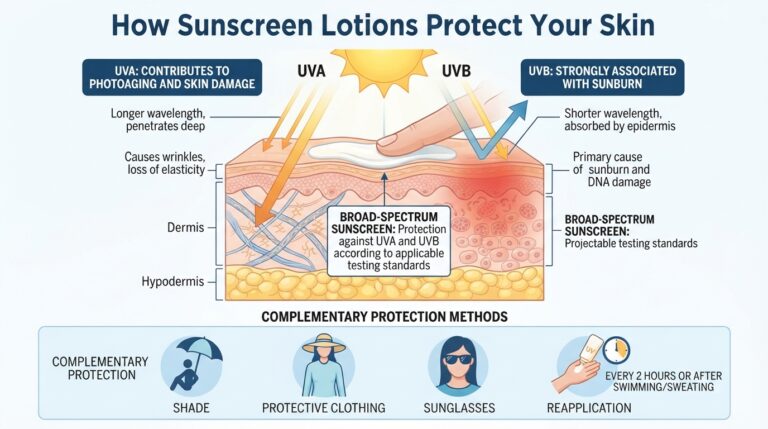
Mineral sunscreen, also known as physical sunscreen, primarily contains two active ingredients: zinc oxide and titanium dioxide. Unlike chemical sunscreens, which absorb UV radiation, mineral sunscreens work by sitting on top of the skin and reflecting UV rays away. This makes them a popular choice for sensitive skin types and provides broad-spectrum protection.
How Does Mineral Sunscreen Work?
Mineral sunscreen acts as a physical barrier. Here’s how it works:
- Application: When applied to the skin, it forms a protective layer.
- UV Reflection: The zinc oxide and titanium dioxide reflect harmful UVA and UVB rays.
- Immediate Protection: Unlike chemical sunscreens, mineral options provide instant protection upon application.
Understanding the White Cast Phenomenon
One of the most frequent complaints about mineral sunscreen is its tendency to leave a visible white cast on the skin. This effect can be particularly pronounced on darker skin tones. But why does this happen?
Reasons for the White Cast
The white cast associated with mineral sunscreen can be attributed to several factors:
- Active Ingredients: Zinc oxide and titanium dioxide are inherently white powders. Their mineral composition can create a visible layer on the skin.
- Product Formulation: The concentration of active ingredients and the formulation of the sunscreen can affect how much white cast is left behind.
- Skin Tone: Different skin tones react differently to mineral sunscreens. Lighter skin may not notice the cast as much as darker skin tones.
Choosing the Right Mineral Sunscreen
Not all mineral sunscreens are created equal. Here are some tips to help you choose a product that minimizes the white cast:
Look for Tinted Formulations
Tinted mineral sunscreens are a great option for those concerned about the white cast. The tint helps to blend the product with your skin tone, providing coverage while still offering sun protection. Here’s what to keep in mind:
- Choose a tint that complements your skin tone.
- Test the product on your jawline to check for compatibility.
Check the Ingredients
Some mineral sunscreens contain additional ingredients that can help reduce the white cast. Look for products with:
- Silicone-based ingredients: These can help create a smoother application and minimize the appearance of a white cast.
- Hydrating agents: Ingredients like hyaluronic acid can improve overall skin texture and appearance.
Consider Particle Size
The size of the zinc oxide or titanium dioxide particles can significantly impact the white cast. Nano-sized particles tend to be less visible on the skin, making them a suitable option for those worried about the white cast. However, it’s essential to consider personal preferences and skin sensitivities.
Application Techniques to Minimize White Cast
Even with the right product, application techniques can make a big difference in how mineral sunscreen appears on your skin. Here are some tips:
Proper Application
- Start with Clean Skin: Ensure your skin is clean and dry before applying sunscreen.
- Use a Generous Amount: Apply at least a nickel-sized amount for your face and more for larger areas of the body.
- Use a Dabbing Motion: Instead of rubbing in, dab the sunscreen onto your skin to minimize streaks and unevenness.
- Blend Thoroughly: Take your time to blend the sunscreen evenly, ensuring no areas are left untouched.
Layering with Makeup
If you’re concerned about the white cast, consider layering your mineral sunscreen under makeup. Here’s how to do it:
- Allow the sunscreen to fully absorb into the skin before applying makeup.
- Use a tinted moisturizer or foundation that matches your skin tone to help blend any residual white cast.
- Setting powders or sprays can also help reduce shine and improve overall appearance.
Alternatives to Mineral Sunscreen
If you find that mineral sunscreen consistently leaves a white cast on your skin, you may want to explore other options. Chemical sunscreens might be an alternative, but they come with their own set of pros and cons. Here’s a quick comparison:
| Feature | Mineral Sunscreen | Chemical Sunscreen |
|---|---|---|
| Active Ingredients | Zinc oxide, titanium dioxide | Avobenzone, octisalate, octocrylene |
| White Cast | Can leave a white cast | Typically no white cast |
| Skin Suitability | Great for sensitive skin | May irritate sensitive skin |
| UV Protection | Broad-spectrum | Varies by formulation |
| Application | Immediate protection | Requires 20-30 minutes to absorb |
Final Thoughts
In conclusion, while the question of “does mineral sunscreen leave a white cast?” is a valid concern, understanding how these products work and how to choose and apply them can significantly affect your experience. By selecting the right formulation, using appropriate application techniques, and considering alternatives, you can enjoy the sun safely without compromising your skin’s appearance. Remember, the most crucial factor in sun protection is consistency—regardless of the type of sunscreen you choose, make sure to reapply regularly for optimal protection.
Are you ready to embrace sun safety? With the right knowledge and products, you can protect your skin and feel confident in your appearance. Happy sunbathing!