
Understanding how long sunscreen lasts is crucial for anyone who spends time outdoors. Sunscreen is your first line of defense against harmful UV rays, but its effectiveness diminishes over time. In this article, we’ll explore the lifespan of sunscreen, factors that affect its longevity, and how to ensure you’re getting the best protection for your skin.
The Duration of Sunscreen Effectiveness
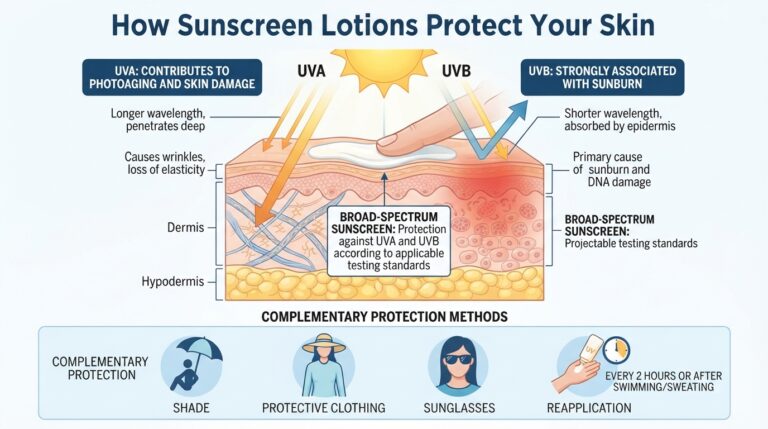
Most sunscreens are designed to provide protection for a certain duration, typically stated on the packaging. Generally, sunscreen should be reapplied every two hours, especially if you are swimming or sweating. However, several factors can influence how long sunscreen lasts on your skin.
Types of Sunscreen
Before diving into the specifics, it’s essential to understand the two main types of sunscreen:
- Chemical Sunscreens: These formulations absorb UV radiation and convert it into heat, which is then released from the skin. Common active ingredients include avobenzone, octisalate, and octocrylene.
- Physical (Mineral) Sunscreens: These create a barrier on the skin that reflects and scatters UV radiation. Ingredients like zinc oxide and titanium dioxide fall into this category.
Both types have their benefits, but they also have different properties regarding longevity and reapplication needs.
Factors Affecting Sunscreen Longevity
Several variables can influence how long sunscreen remains effective on your skin:
1. Sun Exposure
Direct sunlight can break down the active ingredients in sunscreen, reducing its effectiveness. If you’re spending time outside, especially during peak sun hours (10 a.m. to 4 p.m.), you’ll need to reapply more frequently.
2. Water and Sweat
Water-resistant sunscreens are formulated to withstand water exposure to a certain degree. However, even these products require reapplication after swimming or heavy sweating. It’s advisable to reapply every 40 to 80 minutes, depending on the product’s specifications.
3. Skin Type and Application
Your skin type can also impact how long sunscreen lasts. For instance, oily skin may allow sunscreen to wear off more quickly than dry skin. Additionally, the way you apply sunscreen matters; a thick, even layer offers better protection than a sparse application.
4. Expiration Date
Every sunscreen comes with an expiration date, generally set at three years from the manufacture date. After this date, the active ingredients may degrade, making the product less effective. Always check this date before using your sunscreen.
How to Properly Apply Sunscreen
To maximize the duration and effectiveness of your sunscreen, follow these application tips:
Step-by-Step Application Process
- Choose a broad-spectrum sunscreen with at least SPF 30.
- Apply sunscreen generously to all exposed skin at least 15 minutes before sun exposure.
- Use approximately 1 ounce (about a shot glass full) for full-body coverage.
- Reapply every two hours or immediately after swimming or sweating.
Understanding SPF and Its Role
SPF, or Sun Protection Factor, measures how well a sunscreen protects against UVB rays, the primary cause of sunburn and skin cancer. Here’s a quick breakdown:
| SPF Rating | UVB Protection |
|---|---|
| 15 | 93% |
| 30 | 97% |
| 50 | 98% |
While higher SPF ratings provide slightly more protection, it’s essential to note that no sunscreen can block 100% of UV rays. Therefore, reapplication and other sun safety measures are crucial.
Common Myths About Sunscreen Duration
Many misconceptions surround sunscreen and its effectiveness. Here are some common myths debunked:
Myth 1: One Application is Enough for the Day
Incorrect. Sunscreen needs to be reapplied every two hours, or more frequently if swimming or sweating.
Myth 2: SPF 100 Offers Twice the Protection of SPF 50
Not true. SPF 100 provides only marginally more protection than SPF 50, making reapplication more critical than simply choosing a higher SPF.
Myth 3: Sunscreen is Only Necessary on Sunny Days
This is false! UV rays can penetrate clouds and cause skin damage even on overcast days. Always wear sunscreen regardless of the weather.
Choosing the Right Sunscreen for Your Needs
Selecting the right sunscreen can make a significant difference in your sun protection routine. Here are some factors to consider:
Skin Type and Sensitivities
If you have sensitive skin, look for mineral sunscreens that contain zinc oxide or titanium dioxide. These are less likely to cause irritation compared to chemical formulas.
Activities and Lifestyle
Consider your daily activities. If you plan to swim or engage in sports, opt for water-resistant formulations. For everyday wear, a lightweight, non-greasy sunscreen may be ideal.
Environmental Considerations
Some sunscreens contain chemicals that can harm marine life. If you’re swimming in oceans or coral reefs, choose reef-safe products that do not contain harmful ingredients.
Conclusion: Stay Protected Under the Sun
Knowing how long sunscreen lasts is essential in ensuring you maintain effective protection against harmful UV rays. Remember to choose the right type of sunscreen for your skin type, apply it generously and frequently, and always check the expiration date. While sunscreen is a critical part of sun safety, it should be complemented with other protective measures, such as seeking shade, wearing protective clothing, and avoiding peak sun hours.
By following these guidelines, you can confidently enjoy the outdoors while safeguarding your skin from sun damage. Stay informed and proactive about your sun protection strategy to keep your skin healthy for years to come.