
When it comes to skincare, few questions are as pressing as the debate over when to apply sunscreen: before or after moisturizer? This topic is essential for anyone seeking effective sun protection while maintaining healthy skin. Understanding the correct order can significantly impact your skincare routine and overall skin health.
The Importance of Sunscreen
Before diving into the specifics of application order, it’s crucial to understand why sunscreen is a vital part of your daily routine. Sunscreen protects your skin from the harmful effects of ultraviolet (UV) radiation, which is known to cause premature aging, sunburn, and even skin cancer. Here are some key points to consider:
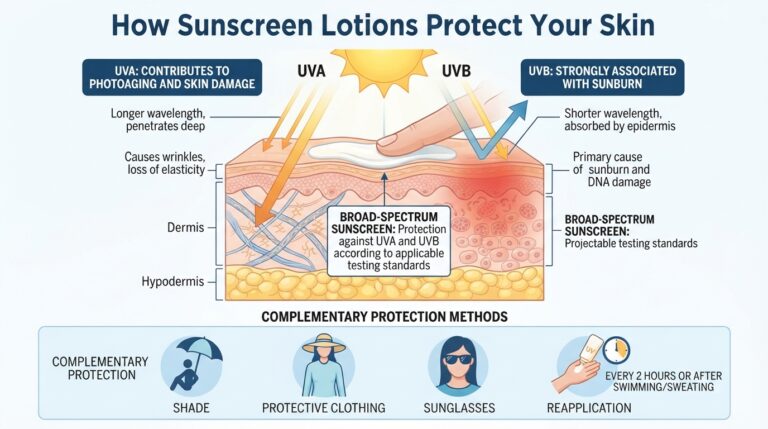
- UV Radiation: The sun emits two types of harmful rays: UVA and UVB. UVA rays can penetrate the skin deeply, leading to long-term skin damage and aging, while UVB rays are responsible for sunburn.
- Skin Cancer Risk: According to the Skin Cancer Foundation, one in five Americans will develop skin cancer in their lifetime. Regular use of sunscreen can reduce this risk significantly.
- Premature Aging: Daily application of sunscreen can prevent wrinkles, fine lines, and age spots, helping maintain a youthful appearance.
Understanding Moisturizers
Moisturizers serve a different purpose in your skincare regimen. They hydrate the skin, creating a barrier that locks in moisture and prevents dryness. Here’s why they’re important:
- Hydration: Moisturizers contain humectants, emollients, and occlusives that help retain skin moisture.
- Skin Barrier Function: A good moisturizer enhances your skin’s barrier function, protecting it from external aggressors and maintaining overall skin health.
- Skin Types: Different skin types require different kinds of moisturizers—oily, dry, combination, and sensitive skin all have unique needs.
Application Order: Sunscreen Before or After Moisturizer?
The question of whether to apply sunscreen before or after moisturizer is not just a matter of personal preference; it’s a critical step for achieving the best sun protection. Here’s a breakdown of the optimal application order:
Sunscreen First: The Recommended Approach
Skincare experts and dermatologists generally recommend applying sunscreen after your moisturizer. Here’s why this order is effective:
- Barrier Creation: Applying moisturizer first allows it to hydrate and nourish your skin. When sunscreen is applied afterward, it creates a protective barrier that prevents UV rays from penetrating the skin.
- Better Absorption: Moisturizers can help improve the skin’s texture, allowing for better absorption of sunscreen. This ensures that your skin receives the maximum benefits from both products.
- Consistency: Applying sunscreen over moisturizer helps create an even layer, enhancing its effectiveness. This is especially important for physical (mineral) sunscreens, which work by sitting on top of the skin.
Exceptions to the Rule
While applying sunscreen after moisturizer is generally advised, there are exceptions based on product formulations:
- Hybrid Products: Some products combine moisturizer and sunscreen. In this case, the order is less relevant since the hybrid product is designed to provide both hydration and protection.
- Gel or Oil-Based Sunscreens: If using a gel or oil-based sunscreen, applying it first may be beneficial. These formulations can sometimes be better absorbed and may not layer well over thicker creams.
How to Apply Sunscreen Effectively
Simply applying sunscreen isn’t enough; the method of application also plays a crucial role in its effectiveness. Here are some tips for applying sunscreen properly:
- Use Enough Product: Most adults need about one ounce (or a shot glass full) of sunscreen to cover their entire body adequately.
- Apply Generously: Make sure to apply a generous amount to all exposed areas, including the face, neck, ears, and any other areas not covered by clothing.
- Reapply Regularly: Sunscreen should be reapplied every two hours, or more often if swimming or sweating.
- Don’t Forget Areas: Commonly overlooked areas include the scalp (for those with thinning hair), tops of the feet, and behind the knees.
Choosing the Right Products
Selecting high-quality sunscreen and moisturizer is essential for effective protection and hydration. Here are some factors to consider:
Choosing Sunscreen
- SPF Level: Choose a broad-spectrum sunscreen with an SPF of at least 30 for adequate protection.
- Water Resistance: If you plan to swim or sweat, opt for a water-resistant formula.
- Skin Type: Consider your skin type when selecting a sunscreen; for oily skin, look for non-comedogenic formulas.
Choosing Moisturizer
- Skin Type: Identify your skin type (oily, dry, combination, sensitive) and choose a moisturizer accordingly.
- Ingredients: Look for beneficial ingredients such as hyaluronic acid, glycerin, or ceramides for hydration.
- Non-Greasy Formulas: If you have oily skin, consider lightweight, gel-based moisturizers that won’t clog pores.
Enhancing Your Skincare Routine
Incorporating sunscreen and moisturizer correctly into your skincare routine is just one aspect of maintaining healthy skin. Here are some additional tips for enhancing your routine:
- Exfoliate Regularly: Regular exfoliation helps remove dead skin cells and promotes better absorption of both moisturizer and sunscreen.
- Stay Hydrated: Drinking plenty of water can help maintain skin hydration from the inside out.
- Healthy Diet: A balanced diet rich in antioxidants can protect your skin from UV damage and promote overall health.
Final Thoughts
Understanding the proper order of applying sunscreen and moisturizer is crucial for effective skincare. By applying moisturizer first and sunscreen afterward, you can maximize hydration while ensuring optimal sun protection. With the right products and application techniques, you can keep your skin healthy and radiant while minimizing the risk of sun damage.
Remember that daily application of sunscreen, regardless of the weather or season, is a key habit in any skincare routine. Make it a part of your daily regimen, and your skin will thank you for it!