
When it comes to skincare, one of the most common questions people ask is, “Does sunscreen go before or after moisturizer?” Understanding the proper order of application is essential for effective sun protection and skin health. In this comprehensive guide, we will explore the importance of both products, the correct application order, and some tips for achieving the best results.
Understanding the Basics: Sunscreen and Moisturizer
What is Sunscreen?
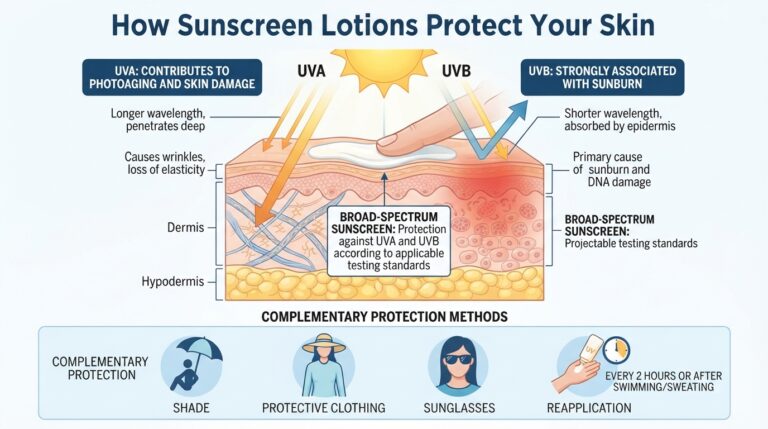
Sunscreen is a topical product designed to protect your skin from the harmful effects of ultraviolet (UV) rays. These rays can lead to skin damage, premature aging, and increased risk of skin cancer. Sunscreens come in various formulations, including creams, gels, sprays, and sticks, and are categorized into two main types:
- Chemical Sunscreens: These absorb UV radiation and transform it into heat, releasing it from the skin.
- Physical (or Mineral) Sunscreens: These sit on the skin’s surface and reflect UV rays away from the skin.
What is Moisturizer?
Moisturizers are designed to hydrate and nourish the skin. They can help maintain the skin’s moisture barrier and prevent dryness, leaving your skin feeling soft and supple. Moisturizers come in various forms, including creams, lotions, and gels, and often contain ingredients such as:
- Hyaluronic acid
- Glycerin
- Ceramides
- Vitamins and antioxidants
The Importance of Application Order
Understanding the correct order of applying sunscreen and moisturizer is crucial for effective protection and skin health. The general consensus among dermatologists and skincare experts is that sunscreen should always be applied after moisturizer.
Why Sunscreen Should Go Last
There are several reasons why sunscreen should be the final step in your skincare routine:
- Protection: Sunscreen acts as a barrier that protects your skin from UV rays. If you apply it first, it may not adhere properly to your skin, reducing its effectiveness.
- Hydration: Applying moisturizer first helps to hydrate your skin, allowing it to absorb the necessary nutrients. Sunscreen on top seals in this moisture, enhancing your skin’s overall hydration.
- Consistency: For best results, sunscreen should be applied liberally and evenly. If applied first, it can be diluted or disrupted by subsequent products, leading to uneven coverage.
Exceptions to the Rule
While the general rule is to apply sunscreen last, there are a few exceptions to consider:
- If you’re using a moisturizer that contains SPF, it can be applied first. However, you should still apply a standalone sunscreen afterward for optimal protection.
- If you’re using a combination product that includes both moisturizer and sunscreen, follow the instructions on the packaging to ensure proper usage.
Steps for an Effective Skincare Routine
To achieve the best results from your skincare routine, follow these simple steps:
- Cleansing: Start with a gentle cleanser to remove dirt, oil, and makeup from your face.
- Toning: If you use a toner, apply it after cleansing to help balance your skin’s pH.
- Serum: Apply any serums you use next. These can provide targeted treatments for specific skin concerns.
- Moisturizing: Follow with your moisturizer to hydrate and nourish your skin.
- Sunscreen: Finally, apply a broad-spectrum sunscreen with an SPF of at least 30 to protect against UVA and UVB rays.
Choosing the Right Sunscreen
Selecting the right sunscreen is crucial for effective sun protection. Here are some considerations to keep in mind:
SPF Rating
Look for a sunscreen with a minimum SPF of 30. Higher SPF ratings offer more protection, but no sunscreen blocks 100% of UV rays.
Broad-Spectrum Protection
Choose a sunscreen labeled as “broad-spectrum,” which means it protects against both UVA and UVB rays.
Water Resistance
If you plan on swimming or sweating, opt for a water-resistant sunscreen. However, remember to reapply every two hours for continuous protection.
Skin Type Considerations
Different skin types may require different formulations:
- Oily Skin: Look for oil-free or matte-finish sunscreens.
- Dry Skin: Cream-based or moisturizing sunscreens are ideal.
- Sensitive Skin: Choose physical sunscreens with zinc oxide or titanium dioxide, as they are less likely to irritate.
Common Myths About Sunscreen
There are several misconceptions about sunscreen that can lead to improper use. Let’s debunk a few:
Myth 1: You Only Need Sunscreen on Sunny Days
UV rays can penetrate clouds, so it’s essential to wear sunscreen even on overcast days.
Myth 2: Makeup with SPF is Enough
While makeup with SPF provides some protection, it’s usually not enough. Always apply a dedicated sunscreen beforehand.
Myth 3: Dark Skin Doesn’t Need Sunscreen
While darker skin has more melanin, it can still be damaged by UV rays. Everyone should wear sunscreen, regardless of skin tone.
Conclusion: The Final Word on Sunscreen and Moisturizer
So, does sunscreen go before or after moisturizer? The answer is clear: sunscreen should always be applied after moisturizer for maximum effectiveness. By following the proper skincare routine and understanding the importance of both products, you can protect your skin from harmful UV rays while keeping it hydrated and healthy. Remember to choose the right sunscreen for your skin type, reapply it regularly, and enjoy the outdoors with confidence!