
Planning a trip often comes with a myriad of questions, especially when it comes to packing. One common question many travelers find themselves asking is, “Can I take sunscreen on a plane?” The simple answer is yes, but there are important guidelines and regulations you need to be aware of. In this comprehensive guide, we will delve into the rules surrounding sunscreen on flights, the best practices for packing it, and tips for selecting the right type for your journey.
Understanding TSA Regulations for Sunscreen
The Transportation Security Administration (TSA) has specific regulations regarding liquids, gels, and aerosols that you can bring on board an aircraft. Sunscreen falls under these categories, and understanding these rules is crucial. Here’s what you need to know:
- Size Restrictions: The TSA allows you to bring liquids and gels in containers of 3.4 ounces (100 milliliters) or less in your carry-on luggage. This includes sunscreen.
- Quart-sized Bag: All liquid containers must fit into a single quart-sized, clear, resealable plastic bag. This bag must be removed from your carry-on during the security screening process.
- Checked Baggage: If you’re bringing a larger bottle of sunscreen, feel free to pack it in your checked luggage without size limitations.
What If I Have Larger Sunscreen Bottles?
If you prefer to use larger bottles of sunscreen, consider the following options:
- Transfer sunscreen into smaller containers that comply with the TSA regulations.
- Purchase sunscreen at your destination to avoid any hassle.
- Opt for sunscreen sticks, which often meet the size requirements without the need for liquid containers.
Types of Sunscreen You Can Bring
When it comes to choosing the right sunscreen for your travels, you have various options. Each type has its own advantages and considerations:
Spray Sunscreens
Spray sunscreens are popular for their convenience and ease of application. However, be mindful of the following:
- Ensure the canister is under 3.4 ounces if you plan to carry it on.
- Some airlines or destinations may have additional restrictions on aerosol products.
Gel and Cream Sunscreens
Gel and cream formulations are excellent for protecting your skin. These options are usually more effective for sensitive skin. Just remember:
- Transfer them into smaller containers if they exceed the size limit.
- Check for any specific ingredient restrictions in the country you are traveling to, as some may have bans on certain chemicals.
Roll-On and Stick Sunscreens
Roll-on and stick sunscreens are convenient for travel, as they often do not count as liquids. Here are some benefits:
- They are often easier to pack and carry.
- They can be applied without getting your hands messy.
Why Sunscreen Is Essential When Traveling
Whether you’re heading to a tropical beach or hiking in the mountains, sunscreen is an essential item to pack. Here are a few reasons why:
- Protection Against UV Rays: Even on cloudy days, UV rays can penetrate through the clouds, leading to skin damage.
- Preventing Skin Cancer: Regular use of sunscreen can significantly reduce the risk of skin cancers.
- Preserving Skin Health: Sunscreen helps prevent premature aging, sunburn, and other skin-related issues.
How to Choose the Right Sunscreen
With so many options available, selecting the right sunscreen can be overwhelming. Here are some factors to consider:
SPF Rating
The Sun Protection Factor (SPF) rating indicates the level of protection against UVB rays. Here’s a quick breakdown:
| SPF Rating | Protection Level |
|---|---|
| 15 | 93% UVB protection |
| 30 | 97% UVB protection |
| 50 | 98% UVB protection |
For most people, an SPF of 30 or higher is recommended for adequate protection.
Broad-Spectrum Protection
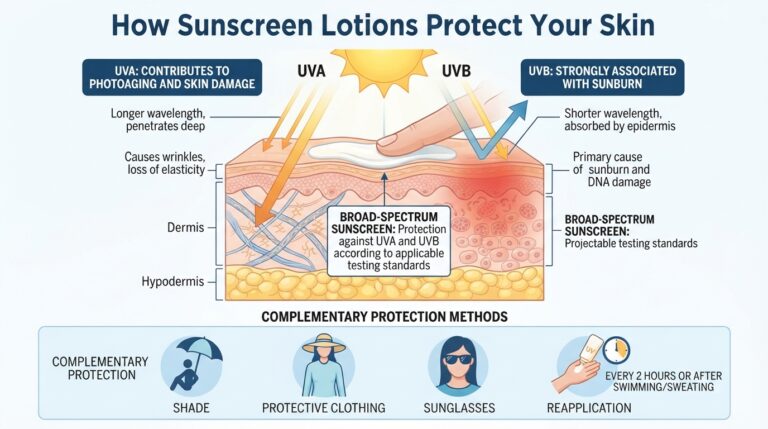
Choose a sunscreen labeled “broad-spectrum,” which protects against both UVA and UVB rays. UVA rays can lead to skin aging and cancer, while UVB rays are primarily responsible for sunburn.
Water Resistance
If you plan on swimming or sweating, look for water-resistant formulas. These sunscreens maintain their SPF protection for a certain amount of time when exposed to water or sweat.
Tips for Applying Sunscreen While Traveling
Knowing how to apply sunscreen correctly is just as important as having it on hand. Here are essential tips to ensure you’re well-protected:
- Apply Generously: Use about an ounce (a shot glass full) to cover your entire body.
- Reapply Frequently: Reapply every two hours, or immediately after swimming or sweating.
- Don’t Forget Key Areas: Pay special attention to areas such as the ears, feet, and back of the neck.
- Use Makeup with SPF: If you wear makeup, consider using products that have SPF for added protection.
Traveling Internationally with Sunscreen
When traveling abroad, you may encounter different regulations regarding sunscreen. Here are some things to keep in mind:
- Ingredient Restrictions: Some countries may have restrictions on certain sunscreen ingredients. Research your destination to avoid issues.
- Availability: Sunscreen may not be readily available in some destinations, so it’s wise to pack enough for your trip.
- Local Recommendations: Consider asking locals for recommendations on effective sunscreens available in the area.
Final Thoughts
Now that you know the answer to the question, “Can I take sunscreen on a plane?”, as well as the regulations and best practices for packing, you can travel with peace of mind. Remember that protecting your skin is crucial no matter where your travels take you. By choosing the right sunscreen, applying it correctly, and being aware of any regulations, you can enjoy your adventures while keeping your skin safe from harmful UV rays.
Safe travels and happy sun protection!