
When it comes to sun protection, many people turn to Coppertone sunscreen. But the question remains: is Coppertone sunscreen safe? In this article, we will delve into the various aspects of Coppertone sunscreen, including its ingredients, safety concerns, and expert opinions, to provide you with the information you need to make an informed choice for your skincare routine.
Understanding Sunscreen and Its Importance
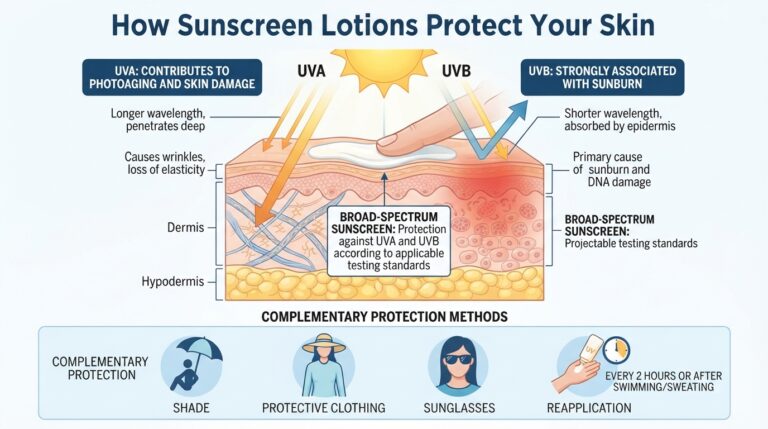
Before we address the safety of Coppertone sunscreen, it’s essential to understand the role of sunscreen in skincare. Sunscreen protects the skin from the harmful effects of ultraviolet (UV) radiation, which can lead to skin damage, premature aging, and an increased risk of skin cancer. The two types of UV rays that affect the skin are:
- UVA rays: These rays penetrate deep into the skin and are primarily responsible for aging and long-term skin damage.
- UVB rays: These rays are the primary cause of sunburn and can contribute to skin cancer.
Using a broad-spectrum sunscreen that protects against both UVA and UVB rays is crucial for maintaining healthy skin, especially during outdoor activities.
What Is Coppertone Sunscreen?
Coppertone is a well-known brand in the sunscreen market, offering a variety of products designed for different skin types and sun exposure levels. Founded in 1944, the brand has built a reputation for effective sun protection. Coppertone sunscreens typically come in several forms, including sprays, lotions, and sticks, catering to diverse consumer preferences.
Types of Coppertone Sunscreen Products
Coppertone offers a range of sunscreen products, each designed for specific needs. Some of the popular options include:
- Coppertone Sport: Formulated for active individuals, it provides water-resistant protection ideal for sports and outdoor activities.
- Coppertone Water Babies: Gentle and hypoallergenic, this option is perfect for babies and sensitive skin.
- Coppertone ClearlySheer: Designed for daily wear, it offers lightweight, non-greasy protection.
- Coppertone Tanning Lotion: This offers a balance between sun protection and a sun-kissed glow.
Ingredients in Coppertone Sunscreen
To assess whether Coppertone sunscreen is safe, it’s important to examine its ingredients. Sunscreens typically contain active ingredients that provide UV protection, as well as inactive ones that help with application and skin feel. Common active ingredients found in Coppertone products include:
- Avobenzone: Provides broad-spectrum UVA protection.
- Octisalate: Helps stabilize sunscreen formulas and provides UVB protection.
- Octocrylene: A UV filter that also helps stabilize other sunscreen ingredients.
- Oxybenzone: A common UV filter that absorbs UV rays but has raised safety concerns.
- Zinc Oxide: A mineral-based ingredient that offers broad-spectrum protection and is generally considered safe.
Are the Ingredients Safe?
While many ingredients in Coppertone sunscreen are well-researched and considered safe for use, some have raised concerns among consumers and researchers. Let’s explore some of these ingredients in more detail:
Oxybenzone
Oxybenzone has been the center of controversy due to its potential for skin absorption and hormonal effects. Some studies suggest that oxybenzone may disrupt endocrine function, leading to concerns about its long-term effects. However, regulatory bodies like the FDA and the American Academy of Dermatology have deemed oxybenzone safe for use in sunscreen when applied as directed.
Avobenzone
Avobenzone is generally recognized as safe and effective for UVA protection. It has been extensively studied and is considered a stable and effective ingredient in sunscreens.
Zinc Oxide
Zinc oxide is a mineral-based ingredient that is often recommended for sensitive skin, including that of children. It is considered safe and effective, providing excellent broad-spectrum coverage without the concerns associated with chemical filters.
Expert Opinions on the Safety of Coppertone Sunscreen
To further understand the safety of Coppertone sunscreen, we can look at expert opinions and recommendations from dermatologists and health organizations. Many dermatologists emphasize the importance of using sunscreen to prevent skin damage and skin cancer, and they often recommend broad-spectrum options, including those from Coppertone.
Dermatologist Recommendations
According to dermatologists, the key to effective sun protection lies not only in the choice of sunscreen but also in proper application and usage. Here are some tips they often recommend:
- Apply sunscreen generously and evenly on all exposed skin.
- Reapply every two hours or immediately after swimming or sweating.
- Use a water-resistant formula if you plan to engage in water activities.
- Choose a broad-spectrum sunscreen with at least SPF 30 for adequate protection.
Consumer Safety and Regulatory Standards
In the United States, the FDA regulates sunscreens as over-the-counter drugs. This means that they must meet specific safety and efficacy standards before they can be marketed. Brands like Coppertone undergo rigorous testing to ensure their products meet these standards, providing consumers with a level of assurance regarding their safety.
Potential Side Effects of Coppertone Sunscreen
While most users experience no adverse effects from using Coppertone sunscreen, some individuals may experience skin irritation or allergic reactions. Common side effects can include:
- Skin irritation or redness
- Rash or itching
- Burning sensation, especially in sensitive areas
If you have sensitive skin or known allergies, it is advisable to conduct a patch test before applying a new sunscreen product extensively.
Alternatives to Coppertone Sunscreen
For those who may be wary of certain ingredients in Coppertone sunscreen, there are alternative sun protection options available. These include:
- Mineral Sunscreens: Formulated with zinc oxide or titanium dioxide, these options provide physical sun protection and are often gentler on the skin.
- Natural Sunscreens: Many brands now offer sunscreens made from organic ingredients without harsh chemicals.
- DIY Sunscreens: While not generally recommended due to varying effectiveness, some individuals opt to create their own sunscreen using natural oils and minerals.
Conclusion: Is Coppertone Sunscreen Safe for You?
In conclusion, the question of whether Coppertone sunscreen is safe can be answered with a qualified “yes.” While there are some concerns regarding specific ingredients like oxybenzone, most research supports the overall safety and efficacy of Coppertone products when used as directed. As with any skincare product, individual reactions may vary, so it’s crucial to consider your skin type and any sensitivities you may have.
Ultimately, the best approach to sun protection is to choose a sunscreen that suits your needs, apply it generously, and reapply it regularly. By doing so, you can enjoy the outdoors safely while minimizing your risk of sun damage. Remember, protecting your skin from the sun is a vital part of maintaining its health for years to come.