
The question, “do you still tan with sunscreen on,” is something many sunbathers ponder before heading out into the sun. While sunscreen is a crucial part of any skincare regimen, its relationship with tanning can be a bit confusing. In this article, we will delve into how sunscreen works, the factors that influence tanning, and how to effectively protect your skin while still enjoying the sun.
The Basics of Tanning and Skin Protection
Tanning occurs as a natural response to UV radiation exposure from the sun. When your skin is exposed to UV rays, it produces more melanin, the pigment responsible for skin color, resulting in a tan. However, overexposure to UV radiation can lead to skin damage, premature aging, and an increased risk of skin cancer. This is where sunscreen plays a vital role.
How Sunscreen Works
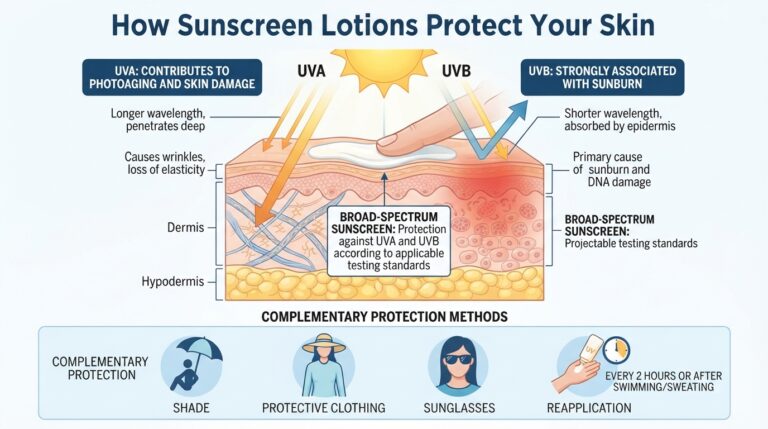
Sunscreens are formulated with active ingredients that either absorb, reflect, or scatter UV radiation. They are generally categorized into two types: physical (mineral) sunscreens and chemical sunscreens.
- Physical (Mineral) Sunscreens: Contain active mineral ingredients, such as zinc oxide or titanium dioxide, that sit on the skin’s surface and reflect UV rays.
- Chemical Sunscreens: Absorb UV radiation through their chemical ingredients, converting it into heat, which is then released from the skin.
Understanding SPF Ratings
The Sun Protection Factor (SPF) rating indicates the level of protection a sunscreen provides against UVB rays, which are primarily responsible for sunburn and tanning. Here’s a simple breakdown of SPF levels:
| SPF Level | Protection Duration | UVB Protection |
|---|---|---|
| 15 | Up to 150 minutes | 93% |
| 30 | Up to 300 minutes | 97% |
| 50 | Up to 500 minutes | 98% |
Do You Still Tan with Sunscreen On?
So, do you still tan with sunscreen on? The answer is yes, you can still tan even when using sunscreen, though the extent of tanning will depend on several factors.
Factors Influencing Tanning with Sunscreen
Several elements play a crucial role in determining how much you will tan while wearing sunscreen:
- SPF Level: Higher SPF ratings provide more protection but do not completely block UV rays. Therefore, with lower SPF sunscreen, you may tan more.
- Application Amount: Most people do not apply enough sunscreen. The recommended amount is about an ounce (a shot glass full) for full body coverage.
- Application Frequency: Sunscreen should be reapplied every two hours, or more frequently if swimming or sweating. Failure to reapply can increase tanning.
- Skin Type: Individuals with lighter skin tones may tan more quickly than those with darker skin, even with sunscreen on.
- Time Spent in the Sun: Longer exposure increases the likelihood of tanning, regardless of sunscreen usage.
Myths About Sunscreen and Tanning
There are several myths surrounding sunscreen and tanning that can create confusion. Here are a few:
- Myth 1: SPF 100 blocks 100% of UV rays.
Fact: No sunscreen can block 100% of UV rays. Even SPF 100 only blocks about 99% of UVB rays. - Myth 2: You don’t need sunscreen on cloudy days.
Fact: Up to 80% of UV rays can penetrate through clouds, so sunscreen is still necessary. - Myth 3: Once you tan, you don’t need sunscreen anymore.
Fact: Tanned skin is still susceptible to UV damage, and sunscreen should be used continuously.
How to Use Sunscreen Effectively
To maximize the effectiveness of sunscreen and minimize tanning, follow these guidelines:
- Choose the Right SPF: Select a broad-spectrum sunscreen with at least SPF 30.
- Apply Generously: Use about one ounce for full body coverage. Don’t forget areas like ears, feet, and the back of your neck.
- Reapply Frequently: Reapply every two hours, or more often if swimming or sweating.
- Consider Water-Resistant Formulas: If you plan to swim or sweat, choose water-resistant options that last longer.
- Combine with Other Protective Measures: Wear protective clothing, sunglasses, and seek shade when the sun is at its peak (usually between 10 AM and 4 PM).
Alternative Sun Protection Strategies
In addition to sunscreen, there are various other ways to protect your skin from UV rays while enjoying the outdoors:
- Protective Clothing: Wear long sleeves, hats, and UV-blocking swimwear to minimize sun exposure.
- Sunglasses: Invest in sunglasses that block 100% of UVA and UVB rays to protect your eyes.
- Seek Shade: Whenever possible, stay under umbrellas, trees, or canopies to reduce direct sun exposure.
Conclusion
In conclusion, the answer to the question, “do you still tan with sunscreen on” is yes, you can still tan, albeit to a lesser degree. Sunscreen is essential in protecting your skin from harmful UV rays, but it does not completely prevent tanning. By understanding how sunscreen works, choosing the right products, and applying them correctly, you can enjoy the sun while minimizing the risk of skin damage. Remember, a combination of sunscreen, protective clothing, and smart sun practices will keep your skin healthy and beautiful.