
When it comes to skincare, one of the most common questions people ask is, “Do you put sunscreen on before or after moisturizer?” This question is crucial for anyone looking to maximize their skincare routine and protect their skin from harmful UV rays. In this article, we will explore the best practices for applying sunscreen and moisturizer, and how to ensure you’re getting the most out of these essential products.
The Importance of Sunscreen in Skincare
Sunscreen is not just a summer essential; it is a vital part of any daily skincare regimen. Here are a few reasons why using sunscreen is crucial:
- Prevents Skin Cancer: Regular use of sunscreen significantly reduces the risk of skin cancers, including melanoma.
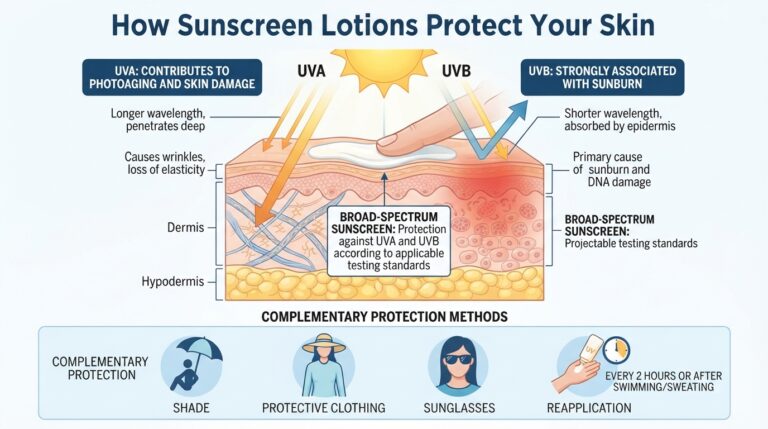
- Reduces Signs of Aging: Sunscreen protects against photoaging, which includes wrinkles, fine lines, and sunspots.
- Prevents Sunburn: A good sunscreen helps prevent the painful effects of sunburn and skin irritation.
With these benefits in mind, it’s clear that understanding how to properly apply sunscreen is essential for maintaining healthy skin.
The Role of Moisturizer in Your Skincare Routine
Moisturizers play a key role in keeping your skin hydrated and preventing dryness. Here are some benefits of using a moisturizer:
- Hydration: Moisturizers provide essential hydration to the skin, making it look plump and healthy.
- Barrier Protection: They help strengthen the skin’s barrier, protecting against pollutants and irritants.
- Improved Texture: Regular use can improve skin texture and tone, making it smoother and more even.
So, how do these two important products work together? Let’s delve deeper into the application order.
Application Order: The Great Debate
When it comes to the question of whether to put sunscreen on before or after moisturizer, the answer is quite clear: apply moisturizer first, followed by sunscreen. Here’s why:
1. Moisturizer Absorption
Moisturizers are designed to penetrate the skin and provide hydration. Applying moisturizer first allows it to absorb effectively into your skin. If you apply sunscreen first, the moisturizer could create a barrier that prevents the sunscreen from adhering properly to your skin, reducing its effectiveness.
2. Sunscreen Functionality
Sunscreens work best when they are directly in contact with the skin. By applying sunscreen after moisturizer, you ensure that the sunscreen can do its job of blocking UV rays without any interference. This is especially important for physical (or mineral) sunscreens that contain ingredients like zinc oxide or titanium dioxide, as these need to sit on the skin’s surface to effectively block UV radiation.
How to Properly Layer Your Skincare Products
To ensure you’re applying your skincare products correctly, follow these steps:
- Cleanse: Start with a gentle cleanser to remove dirt and impurities.
- Tone (optional): If you use a toner, apply it after cleansing to prep your skin for hydration.
- Apply Moisturizer: Use a suitable amount of moisturizer and apply it evenly across your face and neck.
- Apply Sunscreen: Use a broad-spectrum sunscreen with an SPF of at least 30. Apply it generously to all exposed skin.
Tips for Effective Sunscreen Use
To maximize the effectiveness of your sunscreen, consider the following tips:
- Use Enough Product: Most adults need about one ounce (a shot glass full) of sunscreen to cover their entire body.
- Don’t Forget Areas: Make sure to apply sunscreen to often-forgotten areas like the ears, neck, and the tops of your feet.
- Reapply Regularly: Reapply sunscreen every two hours, or immediately after swimming or sweating.
- Choose the Right Type: Select a sunscreen that suits your skin type (e.g., oily, dry, sensitive).
Common Myths About Sunscreen and Moisturizer
There are many myths surrounding sunscreen and moisturizer. Let’s debunk a few:
| Myth | Truth |
|---|---|
| Sunscreen is only needed on sunny days. | UV rays can penetrate clouds and cause skin damage even on overcast days. |
| Moisturizer with SPF is enough. | Moisturizers with SPF often don’t provide enough protection; use a dedicated sunscreen. |
| All sunscreens are the same. | Sunscreens vary in ingredients and effectiveness; choose one that’s broad-spectrum. |
Choosing the Right Products for Your Skin Type
Different skin types require different formulations of moisturizers and sunscreens. Here’s how to choose:
1. Oily Skin
If you have oily skin, opt for lightweight, oil-free moisturizers and gel-based sunscreens that won’t clog pores.
2. Dry Skin
For dry skin, choose rich, hydrating moisturizers and cream-based sunscreens to provide extra moisture.
3. Sensitive Skin
If your skin is sensitive, look for products that are fragrance-free and contain soothing ingredients, such as aloe vera or chamomile.
Final Thoughts
In conclusion, the correct order for applying skincare products is to put on your moisturizer before your sunscreen. This method ensures that both products can perform their intended functions effectively. By understanding the importance of sunscreen and moisturizer, as well as the best practices for application, you can enhance your skincare routine and protect your skin against damage.
Remember, consistent use of sunscreen, regardless of the season, is essential for healthy skin. So, the next time you hear the question, “Do you put sunscreen on before or after moisturizer?” you’ll know the answer and why it matters!