
When it comes to protecting your skin from harmful UV rays, one of the most common questions is, “Is spray or lotion sunscreen better?” Choosing the right sunscreen can make a significant difference in your skin’s health and your overall sun protection strategy. In this article, we’ll explore the characteristics, advantages, and disadvantages of both spray and lotion sunscreens to help you make an informed decision.
Understanding Sunscreen: The Basics
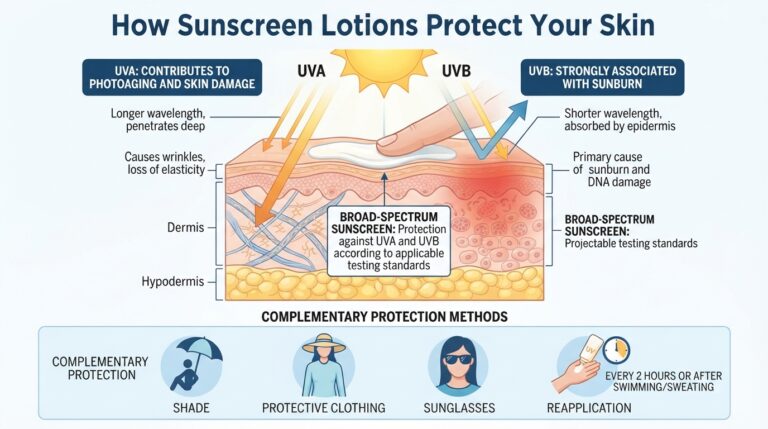
Before diving into the comparison, it’s essential to understand what sunscreen is and how it works. Sunscreen is a topical product designed to protect the skin from the sun’s harmful ultraviolet (UV) radiation. UV radiation is responsible for skin damage, premature aging, and an increased risk of skin cancer. Sunscreens typically come in two forms: chemical and physical (or mineral). Chemical sunscreens absorb UV rays, while physical sunscreens reflect them away from the skin.
SPF: The Importance of Sun Protection Factor
The efficacy of any sunscreen is measured by its Sun Protection Factor (SPF). SPF indicates how long a sunscreen will protect your skin from UVB rays, which are primarily responsible for sunburn. For example, an SPF of 30 means that it would take 30 times longer for your skin to burn than if you weren’t wearing any sunscreen. Here are some key points to consider about SPF:
- Higher SPF values offer more protection, but the difference is not as significant as it may seem.
- No sunscreen can provide 100% protection; even SPF 50 blocks about 98% of UVB rays.
- Reapplication every two hours is crucial, regardless of the SPF rating.
Spray Sunscreen: Pros and Cons
Spray sunscreen has gained immense popularity in recent years due to its convenience and ease of application. Let’s examine the advantages and disadvantages of using spray sunscreen.
Advantages of Spray Sunscreen
- Convenience: Spray sunscreen is easy to apply, especially on hard-to-reach areas. This is particularly beneficial for those with mobility issues.
- Quick Drying: Many spray sunscreens dry quickly, allowing you to get on with your day without feeling greasy.
- No Rubbing Required: Unlike lotion sunscreens, spray sunscreens do not require extensive rubbing and can be applied more uniformly.
Disadvantages of Spray Sunscreen
- Inhalation Risk: There is a potential risk of inhaling the aerosolized product, which could lead to respiratory issues.
- Less Control: It can be challenging to control the amount of product applied, leading to uneven coverage.
- Wind Issues: Applying spray sunscreen outdoors can be problematic on windy days, as the product may blow away before it lands on your skin.
Lotion Sunscreen: Pros and Cons
Lotion sunscreens have been a staple in sun protection for decades. Let’s take a closer look at their benefits and drawbacks.
Advantages of Lotion Sunscreen
- Thorough Coverage: Lotion allows for better control over application, ensuring even coverage across all skin areas.
- Hydrating Benefits: Many lotions have added moisturizing ingredients, which can benefit dry skin types.
- Reduced Inhalation Risk: There is minimal risk involved with inhaling the product since it is applied directly to the skin.
Disadvantages of Lotion Sunscreen
- Greasy Feel: Some users find lotion sunscreens to be greasy or heavy on the skin.
- Time-Consuming: Applying lotion requires more time, especially for individuals with extensive skin areas to cover.
- Drying Time: Lotions can take longer to dry, which may be inconvenient for those who are on the go.
Key Differences: Spray vs. Lotion Sunscreen
To help clarify the differences between spray and lotion sunscreen, here’s a side-by-side comparison:
| Feature | Spray Sunscreen | Lotion Sunscreen |
|---|---|---|
| Application Ease | Very easy and quick | Requires more time and effort |
| Coverage Control | Can be uneven | More precise and thorough |
| Drying Time | Quick drying | Longer drying time |
| Inhalation Risk | Higher risk | Minimal risk |
| Skin Feel | Lightweight | Can feel greasy |
Choosing the Right Sunscreen for You
Now that we’ve explored the pros and cons of both spray and lotion sunscreens, how do you choose the right one for your needs? Here are some factors to consider:
Skin Type
If you have oily or acne-prone skin, a lightweight spray might be more appealing. Conversely, if your skin is dry, a moisturizing lotion could be beneficial. Understanding your skin type can help guide your choice.
Activity Level
Your lifestyle and activities play a significant role in your sunscreen choice. For example:
- If you enjoy outdoor sports or swimming, a water-resistant spray might be the best option.
- If you’re spending a long day at the beach, consider a lotion for more thorough coverage.
Convenience vs. Effectiveness
Ultimately, the best sunscreen is one that you will apply generously and frequently. If you find spray sunscreen more convenient and are diligent with reapplication, it may serve you well. On the other hand, if you prefer the feel and control of lotion, that might be the better choice for you.
Application Tips for Both Spray and Lotion Sunscreens
Regardless of which type you choose, proper application is key to effective sun protection. Here are some tips for both spray and lotion sunscreens:
For Spray Sunscreen
- Shake the canister well before use to ensure even distribution.
- Hold the spray about 6 inches away from your skin and apply evenly.
- Apply in sections, making sure to cover all areas, including hard-to-reach spots.
- Do not spray directly onto the face; instead, spray into your hands and then apply.
For Lotion Sunscreen
- Use a generous amount, typically about a shot glass full for full-body coverage.
- Apply the lotion evenly over all exposed skin, including ears, neck, and feet.
- Rub the lotion in thoroughly to ensure complete absorption and protection.
- Reapply every two hours, or more frequently if swimming or sweating.
Final Thoughts
So, is spray or lotion sunscreen better? The answer ultimately depends on your preferences, lifestyle, and skin type. Both forms offer effective sun protection when applied correctly, so choose the one that fits seamlessly into your routine. Remember, the best sunscreen is the one you will use consistently. Protect your skin, enjoy the sun, and make informed choices for your health!