
When it comes to sun protection, many people are faced with the dilemma of choosing between chemical and mineral sunscreens. Understanding why mineral sunscreen is better can help you make an informed decision that benefits both your skin and the environment. In this article, we’ll delve deep into the advantages of mineral sunscreen, its ingredients, how it works, and tips for selecting the best product for your needs.
Understanding Sunscreen Types
Before diving into the benefits of mineral sunscreen, it’s essential to understand the two main types of sunscreens available on the market today: chemical and mineral.
Chemical Sunscreens
Chemical sunscreens contain organic compounds that absorb UV radiation. Common ingredients include:
- Oxybenzone
- Avobenzone
- Octisalate
- Octocrylene
These ingredients work by transforming UV rays into heat, which is then released from the skin. While effective, they can sometimes cause skin irritation or allergic reactions.
Mineral Sunscreens
Mineral sunscreens, on the other hand, contain natural mineral ingredients such as zinc oxide or titanium dioxide. These ingredients act as physical blockers that sit on top of the skin and reflect UV rays away. Here are some reasons why mineral sunscreen is better:
Benefits of Mineral Sunscreen
1. Broad Spectrum Protection
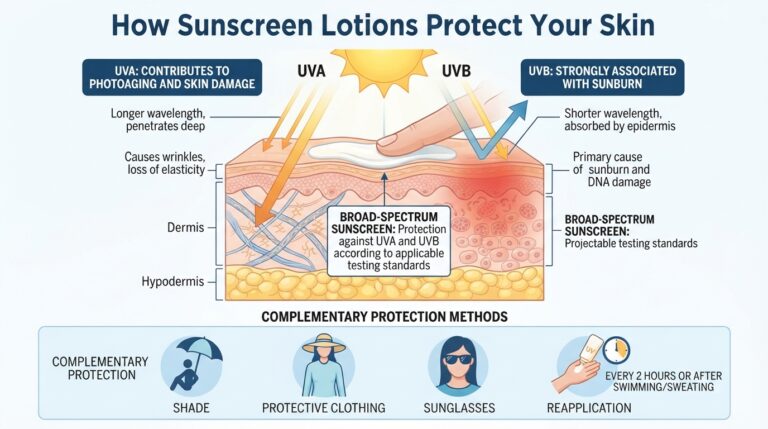
Mineral sunscreens provide broad-spectrum protection against both UVA and UVB rays. This is crucial for preventing skin damage, premature aging, and skin cancers. According to the Skin Cancer Foundation, broad-spectrum protection is essential for overall skin health.
2. Less Likely to Irritate Skin
Mineral sunscreens are generally less irritating than their chemical counterparts. They are often recommended for sensitive skin, including conditions like rosacea or eczema. This makes them suitable for all skin types, including children and those with skin sensitivities.
3. Immediate Protection
One of the standout features of mineral sunscreen is that it provides immediate protection upon application. Unlike chemical sunscreens, which require about 20 minutes to become effective, mineral sunscreens start working right away. This means you can apply it just before heading outdoors without worrying about your skin being unprotected.
4. Environmentally Friendly
The ingredients in mineral sunscreens are generally considered safer for marine life compared to some chemical sunscreens. Chemical filters such as oxybenzone and octinoxate have been linked to coral reef damage. By choosing mineral options, you are making a more environmentally responsible choice.
5. Stability and Longevity
Mineral sunscreens are more stable when exposed to sunlight, meaning they maintain their effectiveness for longer periods. Chemical sunscreens can break down when exposed to UV light, leading to reduced protective benefits over time.
How Mineral Sunscreens Work
Mineral sunscreens function by forming a physical barrier on the skin. Here’s how they work:
- When applied, they create a thin layer on the skin’s surface.
- This layer reflects and scatters UV rays, preventing them from penetrating the skin.
- They remain effective until they are washed off or worn away through sweat or friction.
Choosing the Right Mineral Sunscreen
With a plethora of options available, selecting the right mineral sunscreen can be overwhelming. Here are key factors to consider:
1. SPF Rating
Choose a sunscreen with an SPF of at least 30 for adequate coverage. Higher SPFs provide additional protection but remember that no sunscreen can block 100% of UV rays.
2. Water Resistance
If you plan on swimming or sweating, look for a water-resistant formula. These sunscreens typically last for up to 40 or 80 minutes while you’re in the water.
3. Ingredients
Look for products that list zinc oxide or titanium dioxide as the active ingredients. Avoid those that contain harmful fillers or fragrances, especially if you have sensitive skin.
4. Broad Spectrum Labeling
Ensure the product is labeled as “broad-spectrum” to guarantee protection against both UVA and UVB rays.
5. Formulation
Mineral sunscreens come in various forms, including lotions, creams, and sprays. Choose a formulation that suits your preference and skin type. For example, lotions are often more hydrating, while sprays may be easier to apply for active individuals.
Applying Mineral Sunscreen Correctly
To maximize the effectiveness of your mineral sunscreen, proper application is key. Here’s a step-by-step guide:
- Apply sunscreen generously to all exposed skin, including the face, neck, and ears.
- Use about one ounce (the size of a shot glass) for full body coverage.
- Reapply every two hours, or more frequently if swimming or sweating.
- Don’t forget areas like the back of your hands, feet, and the tops of your ears.
Common Misconceptions About Mineral Sunscreens
Despite their many advantages, there are some common myths surrounding mineral sunscreens that need clarification:
1. They Leave a White Cast
While it’s true that mineral sunscreens can leave a white cast due to the zinc oxide or titanium dioxide, many brands are now formulating tinted options or using micronized particles to reduce this effect.
2. They Are Not Effective on Dark Skin
Some people believe that mineral sunscreens are only effective for lighter skin tones. In reality, everyone, regardless of skin tone, needs sun protection to prevent skin damage and cancer.
Conclusion
Choosing the right sunscreen is paramount for protecting your skin from harmful UV rays. With numerous benefits, including broad-spectrum protection, reduced irritation, and environmental friendliness, it’s clear why mineral sunscreen is better. By understanding how mineral sunscreens work and how to choose the best option for your needs, you can enjoy the sun safely and confidently. Remember to apply generously and reapply regularly to ensure maximum protection, whether you’re lounging on the beach or enjoying a day outdoors.