
As summer approaches, many people are eager to spend time outdoors, soaking up the sun. However, a common question arises: can you tan through sunscreen? Understanding the effectiveness of sunscreen in protecting your skin from UV rays is crucial for maintaining healthy skin. In this comprehensive guide, we’ll explore how sunscreen works, the factors that affect its effectiveness, and best practices for sun safety.
The Science Behind Sunscreen
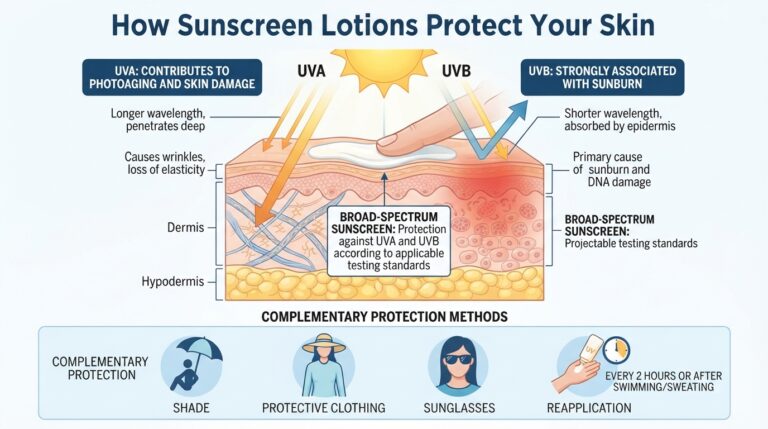
Sunscreen is designed to protect your skin from the harmful effects of ultraviolet (UV) radiation. There are two types of UV rays that can damage your skin:
- UVA rays: These rays penetrate deep into the skin and are primarily responsible for aging and skin cancer.
- UVB rays: These rays affect the outer layer of the skin and are mainly responsible for sunburn.
Sunscreens work by utilizing chemical or physical filters to absorb or reflect UV radiation. Chemical sunscreens contain organic compounds that absorb UV radiation, while physical (or mineral) sunscreens contain active mineral ingredients like zinc oxide or titanium dioxide that reflect and scatter UV rays.
Can You Tan Through Sunscreen?
The simple answer is yes, you can tan through sunscreen. However, the degree to which you tan depends on several factors, including:
1. SPF Level
The Sun Protection Factor (SPF) indicates the level of protection a sunscreen provides against UVB rays. A higher SPF offers more protection, but it does not mean complete protection. For instance:
| SPF Level | UVB Protection |
|---|---|
| 15 | 93% |
| 30 | 97% |
| 50 | 98% |
While SPF 30 blocks about 97% of UVB rays, it still allows some exposure, meaning you can still tan, albeit more slowly than without sunscreen.
2. Application Method
How you apply sunscreen can significantly impact its effectiveness. To maximize protection:
- Apply sunscreen generously to all exposed skin.
- Use about one ounce (a shot glass full) for full-body coverage.
- Reapply every two hours, or immediately after swimming, sweating, or towel drying.
Under-application can lead to reduced protection, allowing UV rays to reach your skin and potentially cause tanning or burning.
3. Time of Day and UV Index
The intensity of UV radiation varies throughout the day. UV rays are strongest between 10 a.m. and 4 p.m. During these hours, the UV index is generally higher, increasing your chances of tanning or burning, even with sunscreen.
4. Skin Type
Your skin type plays a significant role in how you tan. Individuals with fair skin often burn more easily and may tan less than those with darker skin tones. Understanding your skin type can help you choose the right sunscreen and application strategy.
Proper Sunscreen Use for Optimal Protection
To protect your skin effectively while enjoying the sun, follow these essential steps:
1. Choose the Right Sunscreen
Look for broad-spectrum sunscreens, as they protect against both UVA and UVB rays. Consider the following when selecting a sunscreen:
- SPF of 30 or higher is recommended for daily use.
- Water-resistant formulas are ideal for swimming or sweating.
- Non-comedogenic options are better for acne-prone skin.
2. Apply Generously and Evenly
To ensure full coverage, apply sunscreen 15 to 30 minutes before sun exposure. Pay special attention to commonly missed areas such as:
- Ears
- Back of the neck
- Under the chin
- Top of the feet
3. Reapply Regularly
Reapplying sunscreen is crucial, especially after swimming or sweating. Set a timer or use a reminder on your phone to ensure you reapply every two hours for optimal protection.
4. Seek Shade and Wear Protective Clothing
In addition to using sunscreen, consider these sun safety measures:
- Seek shade during peak sun hours.
- Wear wide-brimmed hats and sunglasses to protect your face and eyes.
- Opt for UV-protective clothing when spending extended periods outdoors.
Understanding Tanning and Skin Health
While tanning may be seen as desirable by some, it is essential to recognize the risks associated with UV exposure. Tanning occurs as a result of skin damage, leading to increased melanin production. Here are some important points to consider:
1. Risks of Tanning
Excessive sun exposure can lead to:
- Skin cancer, including melanoma, basal cell carcinoma, and squamous cell carcinoma.
- Premature aging, including wrinkles, age spots, and loss of skin elasticity.
- Sunburn, which can be painful and lead to peeling skin.
2. Alternatives to Tanning
If you desire a sun-kissed glow without the risks of UV exposure, consider these safer alternatives:
- Self-tanning lotions or sprays that provide a bronzed appearance without sun exposure.
- Bronzing powders or makeup that can enhance your complexion.
- Gradual tanning moisturizers that build color over time.
Conclusion: Enjoy the Sun Safely
So, can you tan through sunscreen? Yes, you can, but the level of tanning you experience depends on various factors, including the SPF, application techniques, and your skin type. The key takeaway is that while sunscreen offers essential protection, it is not a complete barrier against UV rays. To maintain healthy skin, always use sunscreen, reapply regularly, and combine it with other protective measures. Enjoy your time in the sun, but remember to prioritize your skin’s health and safety above all else.