
When summer approaches, many of us start pulling out our beach gear and preparing for sunny days ahead. A common question that arises is, “Is it ok to use expired sunscreen?” This concern is valid, especially since sunscreen plays a critical role in protecting our skin from harmful UV rays. In this article, we will dive deep into the effectiveness of sunscreen, the implications of using expired products, and how to ensure that your sunscreen is always up to par.
Understanding Sunscreen
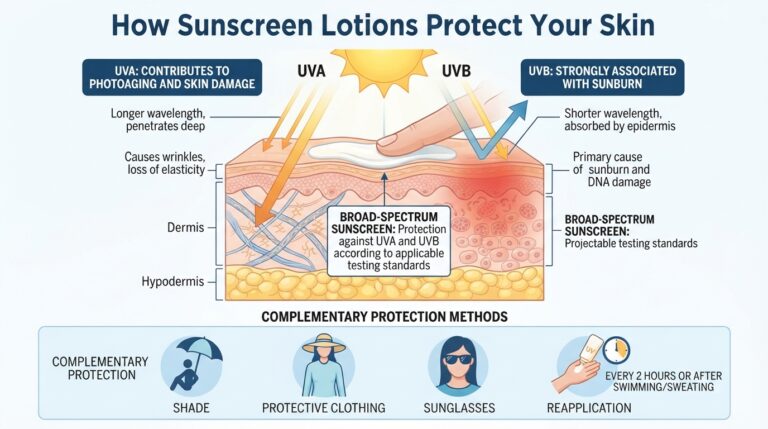
Sunscreen, also known as sunblock, is designed to prevent sunburn and lower the risk of skin cancer by absorbing or reflecting the sun’s harmful ultraviolet (UV) radiation. Its effectiveness is typically measured by the Sun Protection Factor (SPF), which indicates the level of protection it offers against UVB rays, the main cause of sunburn. However, many people are unaware that sunscreen can lose its potency over time.
What Happens to Sunscreen After Expiration?
When sunscreen expires, its active ingredients may degrade, leading to a reduced ability to shield your skin from UV rays. This degradation can occur due to various factors:
- Exposure to heat and sunlight: High temperatures can accelerate the breakdown of the ingredients.
- Air exposure: Sunscreen stored in open containers can become contaminated or oxidized.
- Chemical stability: Some ingredients simply have a shorter shelf life than others.
According to the FDA, most sunscreens maintain their original strength for up to three years if stored properly. However, after that time, there’s no guarantee that they will be effective.
Is It Safe to Use Expired Sunscreen?
While it may not be dangerous to use expired sunscreen, it is not advisable. The primary concern is the effectiveness of the product. Using expired sunscreen can lead to:
- Increased risk of sunburn: If the protection is compromised, your skin is more susceptible to UV damage.
- Higher chances of skin damage: Prolonged exposure to UV rays without adequate protection can lead to premature aging and skin cancer.
- Allergic reactions: Degraded ingredients can sometimes cause skin irritation or allergic reactions.
How to Tell If Your Sunscreen Has Expired
Aside from the expiration date printed on the bottle, here are some signs that your sunscreen may no longer be effective:
- Change in texture: If the sunscreen has become lumpy or separated, it’s likely time to discard it.
- Unusual odor: A rancid or off smell can indicate that the ingredients have broken down.
- Color changes: Any significant alteration in color may suggest that the product is no longer safe to use.
Proper Storage of Sunscreen
To extend the life of your sunscreen, proper storage is crucial. Here are some tips to keep your sunscreen effective for as long as possible:
- Store in a cool, dry place: Avoid leaving sunscreen in hot environments, such as your car or direct sunlight.
- Keep tightly sealed: Always close the cap tightly to prevent air exposure.
- Check expiration dates regularly: Make it a habit to check your sunscreen before each use, especially if it has been sitting unused for a while.
Choosing the Right Sunscreen
When selecting a sunscreen, consider the following factors to ensure you are well-protected:
SPF Level
Choose a broad-spectrum sunscreen with an SPF of at least 30. Higher SPF products offer more protection but remember that no sunscreen can block 100% of UV rays.
Water Resistance
If you plan to swim or sweat, look for water-resistant formulas. These sunscreens are designed to maintain their SPF level for a specified amount of time while you are in the water or sweating.
Ingredients to Consider
There are two main types of sunscreen: chemical and physical. Chemical sunscreens absorb UV radiation, while physical sunscreens reflect it.
- Chemical Sunscreens: Contain ingredients like avobenzone, octisalate, and octocrylene. They are usually lighter and easier to apply but may cause irritation for sensitive skin.
- Physical (Mineral) Sunscreens: Contain zinc oxide or titanium dioxide, which create a barrier on the skin. They are often recommended for sensitive skin and are less likely to irritate.
Sun Protection Tips
To maximize your sun protection, consider the following tips:
- Apply generously: Use about one ounce (a shot glass full) for full-body coverage.
- Reapply regularly: Reapply every two hours, or more often if swimming or sweating.
- Combine with other protective measures: Wear protective clothing, hats, and sunglasses, and seek shade when the sun is at its peak.
Conclusion
In conclusion, the question “Is it ok to use expired sunscreen?” has a straightforward answer: it is not recommended. Expired sunscreen can lose its effectiveness, leading to a higher risk of sunburn and skin damage. By properly storing your sunscreen and choosing the right products, you can enjoy the sun safely. Always check the expiration date and invest in a quality sunscreen that suits your skin type and lifestyle. Remember, effective sun protection is essential for maintaining healthy skin and reducing the risk of skin cancer. Stay safe out there!