
As the warm weather approaches, many of us reach for our sunscreen to protect our skin from harmful UV rays. However, a common question arises: is it bad to use expired sunscreen? Understanding the implications of using sunscreen past its expiration date is crucial for maintaining skin health and safety. In this article, we will delve into the importance of sunscreen, the risks associated with using expired products, and how to ensure you are using effective sun protection.
The Importance of Sunscreen
Sunscreen is a vital component of any skincare routine, especially for those who spend time outdoors. Here are a few reasons why sunscreen is essential:
- Prevents Skin Cancer: Overexposure to UV radiation is a leading cause of skin cancer. Regular use of sunscreen can significantly reduce this risk.
- Prevents Premature Aging: UV rays can lead to wrinkles, fine lines, and sunspots. Sunscreen helps maintain youthful skin.
- Reduces Sunburn: Sunscreen protects the skin from painful sunburns, which can have long-term effects on skin health.
- Maintains Skin Tone: Sunscreen helps prevent discoloration and uneven skin tone caused by sun exposure.
Understanding Expiration Dates
Most sunscreen products come with an expiration date printed on the packaging. This date indicates the period during which the product is guaranteed to be effective. After this date, the ingredients may begin to break down, leading to a decrease in the product’s efficacy.
What Happens When Sunscreen Expires?
When sunscreen expires, several changes can occur:
- Degradation of Active Ingredients: The active compounds in sunscreen, such as avobenzone and octocrylene, may lose their effectiveness over time.
- Changes in Consistency: Expired sunscreen may separate, become clumpy, or develop an unusual texture, indicating it is no longer suitable for use.
- Loss of Protection: Using expired sunscreen can leave your skin vulnerable to UV damage, increasing the risk of sunburn and long-term skin issues.
Is It Safe to Use Expired Sunscreen?
The short answer is no; it is not safe to use expired sunscreen. Here are some reasons why:
Reduced Effectiveness
Once a sunscreen has expired, its ability to protect your skin from harmful UV rays diminishes significantly. Studies show that sunscreen effectiveness can drop to as low as 50% or less after the expiration date. This lack of protection can lead to sunburn and increase the risk of skin cancer.
Potential Skin Reactions
Using expired sunscreen can also lead to adverse skin reactions. Ingredients may become unstable, leading to irritation, allergic reactions, or breakouts. It is essential to prioritize skin health and avoid using products that could cause harm.
How to Check If Your Sunscreen Is Expired
There are a few simple ways to determine whether your sunscreen is still safe to use:
- Check the Expiration Date: Always start by looking for the expiration date printed on the bottle. If it has passed, it’s time to dispose of it.
- Inspect the Packaging: Look for any signs of damage, such as broken seals or leaks, which could indicate contamination.
- Examine the Texture and Smell: If the sunscreen has changed in consistency or developed an unusual odor, it’s best to throw it away.
How to Store Sunscreen Properly
Proper storage can help prolong the life of your sunscreen. Here are some tips:
- Keep it Cool: Store sunscreen in a cool, dry place away from direct sunlight and heat sources.
- Avoid Humidity: Bathrooms can be humid environments. Consider storing sunscreen in a bedroom or closet instead.
- Seal It Tight: Always ensure the cap is tightly closed to prevent contamination and preserve freshness.
What to Do with Expired Sunscreen
When it comes to expired sunscreen, proper disposal is crucial. Here’s what you should do:
- Check Local Regulations: Some areas have specific guidelines for disposing of cosmetics and personal care products.
- Throw It Away: If there are no specific guidelines, simply place expired sunscreen in the trash.
- Don’t Flush It: Avoid flushing sunscreen down the toilet, as it can harm aquatic life and disrupt local water systems.
Choosing the Right Sunscreen
When selecting sunscreen, consider the following factors to ensure you’re getting the best protection:
SPF Rating
The SPF (Sun Protection Factor) rating indicates the level of protection offered against UVB rays. Here’s a quick breakdown:
| SPF Level | Protection Level |
|---|---|
| 15 | 93% of UVB rays blocked |
| 30 | 97% of UVB rays blocked |
| 50 | 98% of UVB rays blocked |
Broad-Spectrum Protection
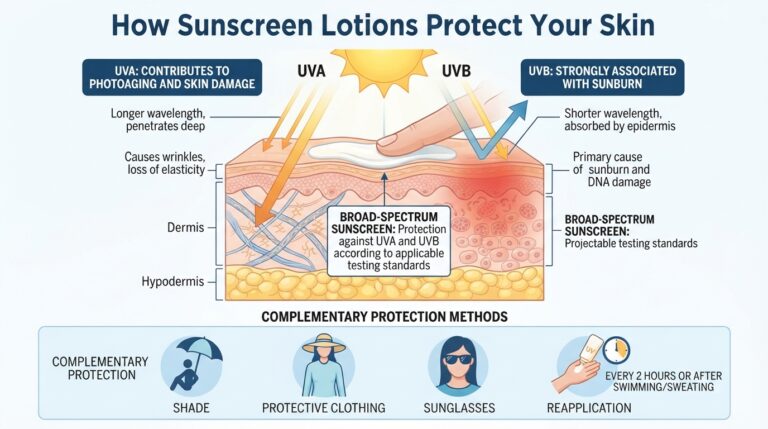
Look for sunscreens labeled as “broad-spectrum,” which means they protect against both UVA and UVB rays. UVA rays contribute to skin aging and cancer, while UVB rays are primarily responsible for sunburn.
Water Resistance
If you plan to swim or sweat, choose a water-resistant sunscreen. These products maintain their SPF protection for a certain amount of time while wet.
Best Practices for Applying Sunscreen
To maximize the effectiveness of your sunscreen, follow these best practices:
- Apply Generously: Use about one ounce (a shot glass full) to cover your entire body.
- Apply Before Sun Exposure: Apply sunscreen 15 to 30 minutes before going outdoors to allow it to absorb into the skin.
- Reapply Regularly: Reapply every two hours, or more frequently if swimming or sweating.
Conclusion
In conclusion, using expired sunscreen is not advisable due to the potential for reduced effectiveness and skin reactions. To protect your skin from harmful UV rays, always check expiration dates, store your sunscreen properly, and choose the right product for your needs. Remember, prevention is the best strategy when it comes to skin health, so invest in a quality sunscreen and replace it regularly. Your skin will thank you for it!