
Can you check aerosol sunscreen? If you’re among the many people who have opted for aerosol sunscreen as a convenient option for sun protection, you might be wondering about its effectiveness and safety. In this comprehensive guide, we will explore everything you need to know about aerosol sunscreen, including how it works, its benefits and drawbacks, application tips, and much more.
Understanding Aerosol Sunscreen
Aerosol sunscreen, commonly known as spray sunscreen, is a popular choice for sun protection due to its ease of use and quick application. But what exactly is it? Aerosol sunscreens are typically packaged in pressurized cans that release a fine mist of sunscreen when sprayed. This allows for an even distribution over the skin, making it a favorite among outdoor enthusiasts and families alike.
The Science Behind Aerosol Sunscreen
The active ingredients in aerosol sunscreens are similar to those found in traditional lotions and creams. They can be classified into two main categories:
- Chemical Sunscreens: These contain organic compounds that absorb UV radiation and convert it into heat, which is then released from the skin.
- Physical (Mineral) Sunscreens: These contain mineral ingredients like zinc oxide or titanium dioxide that sit on top of the skin and reflect UV radiation.
Both types are effective, but they work in different ways. Chemical sunscreens often feel lighter on the skin, while physical sunscreens provide immediate protection upon application.
Benefits of Using Aerosol Sunscreen
There are several advantages to choosing aerosol sunscreen over traditional lotion-based products:
Convenience and Speed
Applying aerosol sunscreen is quick and easy. Just spray and go! This is particularly beneficial for those who are on-the-move or have kids who may not sit still for long.
Even Coverage
The fine mist produced by aerosol sunscreens allows for a more uniform application, which can help ensure that all areas of the skin are protected. This is crucial for avoiding sunburn and skin damage.
No Mess
Unlike traditional creams that can leave a greasy residue on your hands, aerosol sunscreens eliminate the mess factor. You can easily spray it on without having to worry about getting sunscreen all over your palms or fingers.
Water-Resistant Options
Many aerosol sunscreens are available in water-resistant formulations, making them suitable for swimming or intense workouts. This feature ensures that your skin remains protected even when exposed to water or sweat.
Drawbacks of Aerosol Sunscreen
While aerosol sunscreen has its benefits, it’s essential to consider its potential drawbacks:
Environmental Concerns
The propellants used in aerosol products can contribute to environmental pollution. Additionally, some aerosol sunscreens contain ingredients that may harm marine life, particularly when washed off into the ocean.
Inhalation Risks
There is a concern regarding the inhalation of aerosol particles. Although the risk is minimal when used correctly, it’s best to avoid spraying sunscreen directly onto your face and inhaling the mist.
Application Challenges
Despite the ease of use, achieving full coverage can be tricky. It’s important to ensure that you are applying enough product and that it’s being evenly distributed across your skin. Many people tend to underestimate the amount of sunscreen needed.
How to Apply Aerosol Sunscreen Effectively
To get the most out of your aerosol sunscreen, follow these application tips:
- Shake the Can: Always shake the canister well before use to ensure an even mixture of ingredients.
- Hold at the Right Distance: Hold the can about 4-6 inches away from your skin to avoid over-concentration in one area.
- Apply Generously: Spray a sufficient amount of sunscreen on your skin. It’s recommended to use about an ounce (a shot glass full) to cover your entire body.
- Rub It In: For better absorption and coverage, lightly rub the sunscreen into your skin after spraying.
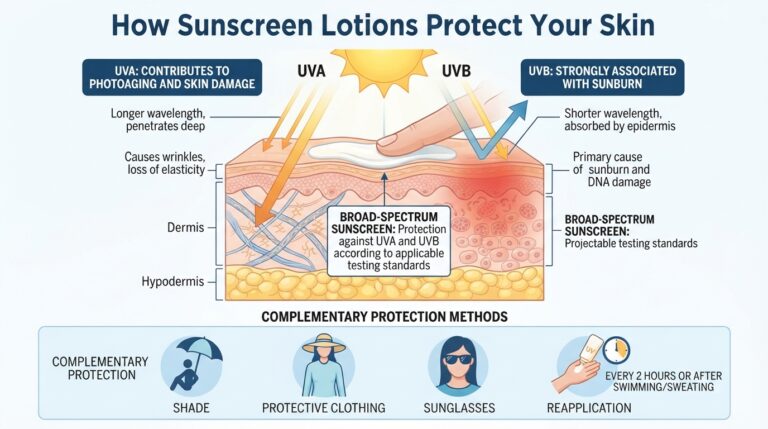
- Reapply Frequently: Reapply every two hours, or immediately after swimming, sweating, or towel drying. Always check the specific product instructions.
Choosing the Right Aerosol Sunscreen
With a plethora of options available, how do you choose the right aerosol sunscreen? Consider the following factors:
SPF Rating
The Sun Protection Factor (SPF) indicates the level of protection against UVB rays. A higher SPF provides greater protection. For most people, a sunscreen with an SPF of at least 30 is recommended.
Broad-Spectrum Protection
Ensure the product offers broad-spectrum protection, meaning it protects against both UVA and UVB rays. UVA rays can prematurely age skin, while UVB rays are primarily responsible for sunburn.
Water Resistance
If you plan to swim or engage in sports, look for a water-resistant aerosol sunscreen. These products are designed to stay effective for a certain duration, typically 40 to 80 minutes, while in water.
Skin Type Considerations
Choose a formula that suits your skin type. For example:
- Oily Skin: Look for non-comedogenic formulas that won’t clog pores.
- Sensitive Skin: Opt for mineral-based sunscreens that are less likely to irritate.
- Dry Skin: Consider products with added moisturizers or hydrating ingredients.
Safety Considerations and Myths
As with any skincare product, safety is paramount. Let’s debunk some common myths surrounding aerosol sunscreen:
Myth 1: Aerosol Sunscreens Are Not Effective
As long as you use aerosol sunscreen correctly and in adequate amounts, it is just as effective as traditional sunscreen lotions.
Myth 2: You Can Skip Sunscreen on Cloudy Days
UV rays can penetrate through clouds, so it’s essential to wear sunscreen even on overcast days.
Myth 3: More SPF Means More Protection
While a higher SPF does offer more protection, it’s important to note that no sunscreen can provide 100% protection. Proper application and reapplication are key to effective sun safety.
Conclusion
In summary, aerosol sunscreen can be an excellent option for sun protection when used correctly. With its convenience and ease of application, it fits seamlessly into various lifestyles, whether you are at the beach, hiking, or simply enjoying a sunny day outdoors. However, it’s essential to understand its limitations and to apply it properly to ensure maximum effectiveness.
So, can you check aerosol sunscreen? Absolutely! By considering the right factors and applying it correctly, you can enjoy the sun while keeping your skin protected. Always remember to prioritize your skin health and safety in your daily routines.