
Have you ever applied sunscreen only to feel a burning sensation on your face? If so, you’re not alone. Many people experience discomfort after applying sunscreen, prompting the question: why does sunscreen burn my face?
Understanding the reasons behind this irritation is crucial for anyone seeking to protect their skin from harmful UV rays without suffering from burning sensations. This article delves into the potential causes of sunscreen irritation, how to choose the right product, and practical tips for safe sun exposure.
Common Causes of Sunscreen Irritation
Before we explore solutions, it’s essential to understand the common culprits that can lead to the burning sensation some people experience when using sunscreen.
1. Sensitivity to Ingredients
Many sunscreens contain various chemical compounds that might irritate sensitive skin. Here are some common ingredients that can cause discomfort:
- Oxybenzone: A common chemical UV filter that can cause allergic reactions in some individuals.
- Avobenzone: While effective for UVA protection, it can also trigger reactions in sensitive skin.
- Fragrance: Many sunscreens contain fragrances that can irritate sensitive skin, leading to a burning sensation.
- Alcohol: Certain formulations include alcohol, which can dry and irritate the skin.
2. Skin Type Considerations
Your skin type plays a significant role in how it reacts to sunscreen. Here’s a brief overview of various skin types:
| Skin Type | Characteristics | Reactions to Sunscreen |
|---|---|---|
| Oily | Shiny, prone to acne | May prefer gel-based sunscreens |
| Dry | Flaky, tight, may be sensitive | May burn with alcohol-based formulas |
| Combination | Oily in some areas, dry in others | Need a balanced formulation |
| Sensitive | Prone to redness or irritation | Often reacts negatively to many products |
3. Improper Application
Another factor that may lead to a burning sensation is improper application. Here are some common mistakes:
- Insufficient Quantity: Applying too little sunscreen can lead to inadequate protection and irritation from sun exposure.
- Inadequate Coverage: Missing spots can expose areas of the skin that become irritated due to UV exposure.
- Layering Products: Using multiple products (like serums or moisturizers) before sunscreen can lead to an adverse reaction.
How to Choose the Right Sunscreen
Finding the perfect sunscreen can make a significant difference in your experience. Here are some tips to guide you in selecting a product that minimizes the risk of burning:
1. Look for Physical (Mineral) Sunscreens
Physical sunscreens contain active mineral ingredients like zinc oxide and titanium dioxide, which are less likely to irritate sensitive skin. They work by sitting on top of the skin and deflecting UV rays. Here’s why they might be a better choice:
- Less likely to cause allergic reactions.
- Often contain fewer chemical ingredients.
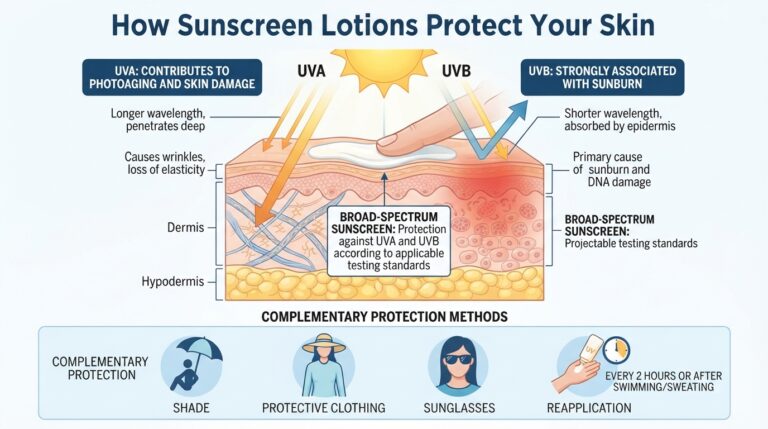
- Provide broad-spectrum protection against both UVA and UVB rays.
2. Check for Hypoallergenic Formulas
If you have sensitive skin, look for products labeled as hypoallergenic. These sunscreens are formulated to reduce the chance of allergic reactions and irritation.
3. Avoid Common Irritants
When choosing sunscreen, try to avoid products with:
- Fragrance
- Alcohol
- Parabens
- Oxybenzone
4. Test New Products
Before applying a new sunscreen to your face, it’s wise to conduct a patch test. Here’s how to do it:
- Apply a small amount of sunscreen to an inconspicuous area of your skin, such as your inner forearm.
- Wait 24 hours to see if any irritation occurs.
- If there is no reaction, it’s likely safe to use on your face.
Practical Tips for Safe Sunscreen Use
In addition to choosing the right product, following these practical tips can help you avoid burning sensations while ensuring adequate sun protection:
1. Apply on Clean Skin
Always apply sunscreen on clean, dry skin. Washing your face before application can remove any irritants or residues that might react negatively with the sunscreen.
2. Use the Right Amount
Experts recommend using about a nickel-sized amount for your face. Make sure to cover all exposed areas thoroughly.
3. Reapply Regularly
Reapply sunscreen every two hours, or more frequently if swimming or sweating. This ensures continued protection and helps reduce irritation caused by sun exposure.
4. Consider the Environment
Heat and humidity can exacerbate skin reactions. If you’re spending time outdoors, ensure you’re in a shaded area when possible, and keep your skin hydrated.
Alternatives to Traditional Sunscreens
If you continue to experience discomfort with typical sunscreen products, you might want to explore alternative sun protection methods:
1. Clothing and Accessories
Wearing protective clothing, wide-brimmed hats, and UV-blocking sunglasses can significantly reduce sun exposure without the need for sunscreen.
2. Sun-Protective Fabrics
Some clothing is specifically designed to offer UV protection. Look for UPF (Ultraviolet Protection Factor) labels on garments.
3. Natural Oils
While not a substitute for sunscreen, certain natural oils like coconut oil and raspberry seed oil offer some degree of UV protection. However, they should be used in conjunction with traditional sunblocks for adequate protection.
Conclusion
Experiencing a burning sensation from sunscreen can be frustrating, but understanding the underlying causes can help you make informed choices. By identifying potential irritants, selecting suitable products, and following best practices for application, you can enjoy the sun safely.
Remember, the goal is to protect your skin from harmful UV rays while maintaining comfort. With the right approach, you can keep your skin healthy and sun-safe without the irritation. Don’t let the burning sensation keep you from enjoying outdoor activities—find what works for you and embrace the sunshine!