
As the awareness of skin health continues to rise, many people are left wondering, what does broad spectrum sunscreen mean? Broad spectrum sunscreen is essential for protecting your skin from harmful UV rays, but understanding its significance can make a substantial difference in your skincare routine.
The Basics of Sunscreen
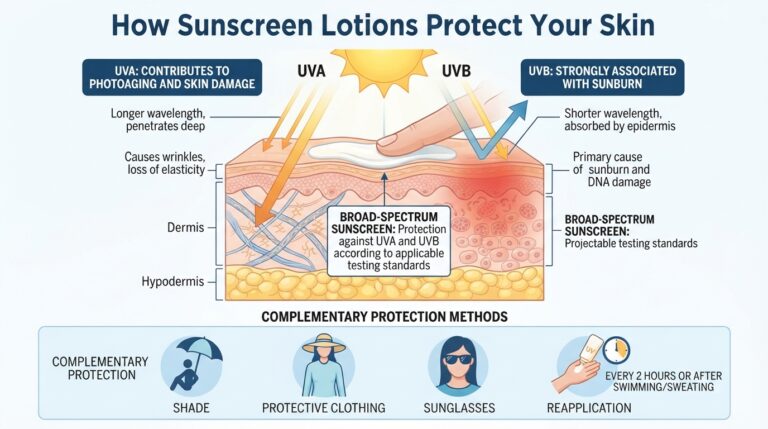
Sunscreen plays a crucial role in shielding your skin from the sun’s harmful rays. When we talk about sunscreen, there are two primary types of ultraviolet (UV) radiation to consider:
- UVA Rays: These rays penetrate deep into the skin and are primarily responsible for premature aging and skin cancer.
- UVB Rays: These rays cause sunburn and are a significant factor in developing skin cancer.
Regular sunscreen only protects against UVB rays, making it imperative to use broad spectrum sunscreen for full protection.
What Does Broad Spectrum Sunscreen Mean?
Broad spectrum sunscreen is formulated to protect against both UVA and UVB rays. The term “broad spectrum” is defined by the FDA and indicates that the product has passed specific tests showing it can effectively shield your skin from both types of harmful UV radiation. This dual protection is vital for preventing skin damage, premature aging, and reducing the risk of skin cancer.
Why Is Broad Spectrum Sunscreen Important?
Using broad spectrum sunscreen is essential for several reasons:
- Comprehensive Protection: By protecting against both UVA and UVB rays, broad spectrum sunscreens offer comprehensive skin defense.
- Reduces Skin Cancer Risk: Regular use can lower the risk of developing skin cancer.
- Prevents Premature Aging: It helps maintain skin elasticity and reduces the appearance of fine lines and wrinkles.
- Minimizes Sunburn: Broad spectrum sunscreens help prevent the painful effects of sunburn caused by UVB rays.
How to Choose the Right Broad Spectrum Sunscreen
With so many products available, selecting the right broad spectrum sunscreen can be overwhelming. Here are some tips to help you make the best choice:
Look for the SPF Rating
The Sun Protection Factor (SPF) indicates the level of protection a sunscreen provides against UVB rays. Here’s a quick breakdown:
| SPF Rating | Duration of Protection |
|---|---|
| 15 | Blocks about 93% of UVB rays |
| 30 | Blocks about 97% of UVB rays |
| 50 | Blocks about 98% of UVB rays |
For most people, a broad spectrum sunscreen with at least SPF 30 is recommended.
Check the Ingredients
When selecting a broad spectrum sunscreen, look for key active ingredients that provide effective protection:
- Physical (Mineral) Ingredients: Zinc oxide and titanium dioxide are effective UV blockers and are less likely to irritate sensitive skin.
- Chemical Ingredients: Avobenzone, octisalate, octocrylene, and oxybenzone offer protection but may cause irritation for some individuals.
Consider Your Skin Type
Your skin type can influence the type of sunscreen you should choose:
- Oily Skin: Look for oil-free or gel-based sunscreens that provide matte finishes.
- Dry Skin: Cream-based formulas with moisturizing ingredients can provide additional hydration.
- Sensitive Skin: Opt for mineral-based sunscreens with fewer chemical irritants.
How to Apply Broad Spectrum Sunscreen Effectively
Applying sunscreen correctly is just as important as choosing the right product. Here are steps to ensure you are protected:
Timing Matters
Apply broad spectrum sunscreen about 15-30 minutes before sun exposure to allow it to absorb into the skin effectively.
Use Enough Product
Most adults need about one ounce (a shot glass full) to cover the entire body. For your face, a nickel-sized amount should suffice. Be sure to cover all exposed areas, including:
- Face and neck
- Ears
- Back of hands
- Feet and legs
Reapply Regularly
Reapplication is crucial, especially after sweating, swimming, or towel drying. Reapply every two hours, or more frequently if you are in direct sunlight.
Common Myths About Sunscreen
Despite the widespread knowledge about sunscreen, several myths persist. Let’s debunk some of them:
- Myth 1: You don’t need sunscreen on cloudy days.
Fact: Up to 80% of UV rays can penetrate clouds, so sunscreen is essential every day. - Myth 2: Dark skin doesn’t need sunscreen.
Fact: While darker skin has more melanin, it is still susceptible to UV damage and skin cancer. - Myth 3: Higher SPF means you can stay in the sun longer.
Fact: No sunscreen offers 100% protection, and reapplication is necessary regardless of SPF.
Conclusion
Understanding what broad spectrum sunscreen means is vital for protecting your skin from harmful UV rays. By choosing a broad spectrum product with adequate SPF, applying it correctly, and dispelling common myths, you can ensure your skin remains healthy and youthful. Remember, the sun is not just a source of light; it’s a powerful entity that requires respect and protection. Make broad spectrum sunscreen a staple in your daily skincare routine to achieve long-lasting skin health.