
Many people wonder, is sunscreen a moisturizer? While both products serve important roles in skincare, they are not interchangeable. Understanding the distinctions between sunscreen and moisturizer can help you create a more effective skincare routine. This article delves into the differences, benefits, and how to use these products together for optimal skin health.
The Role of Sunscreen in Skincare
Sunscreen is a crucial component of any skincare regimen. Its primary function is to protect the skin from the harmful effects of ultraviolet (UV) radiation. Here are some key points about sunscreen:
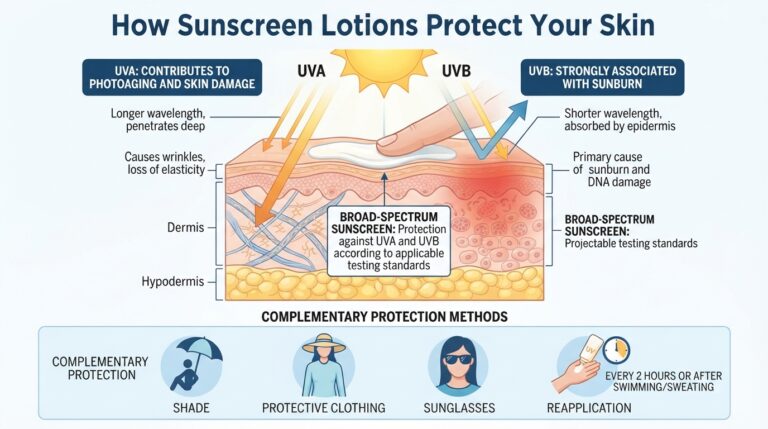
- Types of UV Radiation: UV rays are divided into UVA and UVB. UVA rays penetrate deeply into the skin and can cause aging, while UVB rays are responsible for sunburn.
- SPF Rating: The Sun Protection Factor (SPF) measures how well a sunscreen protects against UVB rays. A higher SPF offers greater protection.
- Broad Spectrum: Look for sunscreens labeled as “broad spectrum,” which protect against both UVA and UVB rays.
- Daily Use: Dermatologists recommend using sunscreen daily, even on cloudy days or when indoors, as UV rays can penetrate windows.
What is a Moisturizer?
A moisturizer is a product designed to hydrate and retain moisture in the skin. It can help to prevent dryness and maintain the skin’s barrier function. Here are some important aspects of moisturizers:
- Types of Moisturizers: Moisturizers can come in various forms, including creams, lotions, gels, and ointments. Each type has its own unique properties.
- Ingredients: Common ingredients include hyaluronic acid, glycerin, and ceramides, which help to attract and lock in moisture.
- Benefits: Regular use of a good moisturizer can improve skin texture, elasticity, and overall appearance.
Are Sunscreen and Moisturizer the Same?
While both products aim to improve skin health, they serve different purposes. Here’s a breakdown of their differences:
| Feature | Sunscreen | Moisturizer |
|---|---|---|
| Primary Function | Protects against UV radiation | Hydrates and retains moisture |
| Application | Applied as the last step in the morning routine | Applied after cleansing and before sunscreen |
| Ingredients | Contains active ingredients like zinc oxide or avobenzone | Contains hydrating agents like glycerin or oils |
| Skin Type Suitability | Varies by formulation; some are non-comedogenic | Varies widely; there are options for oily, dry, and sensitive skin |
Can Sunscreen Act as a Moisturizer?
Some modern sunscreens contain moisturizing ingredients, which can lead to confusion about whether sunscreen can replace a dedicated moisturizer. Here are some considerations:
- Combination Products: Many sunscreens are formulated with added moisturizers, making them suitable for those with oily or combination skin.
- Skin Type Matters: For individuals with dry skin, a dedicated moisturizer may still be necessary to provide adequate hydration.
- Layering Products: For best results, consider layering a moisturizer underneath sunscreen for optimal hydration and protection.
Benefits of Using Both Sunscreen and Moisturizer
Using both sunscreen and moisturizer can offer numerous benefits for your skin:
- Enhanced Protection: Moisturizers can help fortify the skin barrier, while sunscreen protects from UV damage.
- Improved Skin Texture: Hydrated skin appears plumper and healthier, enhancing the overall effectiveness of sunscreen.
- Anti-Aging Benefits: Regular use of both products can help reduce the appearance of fine lines and wrinkles, as hydrated skin ages more gracefully.
How to Incorporate Sunscreen and Moisturizer into Your Routine
To maximize the benefits of both products, follow these steps:
- Cleanse: Start with a gentle cleanser to remove dirt and impurities.
- Apply Moisturizer: Use a suitable moisturizer for your skin type. Allow it to absorb fully.
- Apply Sunscreen: Use a broad-spectrum sunscreen with an SPF of at least 30. Apply it generously and evenly, ensuring all exposed areas are covered.
- Reapply: If you’re spending extended time outdoors, reapply sunscreen every two hours, or after swimming or sweating.
Choosing the Right Products
When selecting sunscreen and moisturizer, consider the following factors:
- Skin Type: Choose products that cater to your specific skin type, whether it be oily, dry, sensitive, or combination.
- Ingredients: Look for beneficial ingredients in moisturizers, such as hyaluronic acid for hydration or niacinamide for calming irritated skin.
- Formulation: If you prefer a minimal routine, consider using a tinted moisturizer or a sunscreen that includes moisturizing agents.
Common Myths about Sunscreen and Moisturizers
As with many skincare topics, several myths surround the use of sunscreen and moisturizers. Here are a few common misconceptions:
- Myth: Sunscreen is only necessary on sunny days. Fact: UV rays can damage your skin even on cloudy days or indoors.
- Myth: You don’t need moisturizer if you have oily skin. Fact: Oily skin still requires hydration; opt for oil-free, non-comedogenic moisturizers.
- Myth: Higher SPF means you can stay in the sun longer. Fact: Higher SPF provides more protection, but reapplication is still essential.
Conclusion
In summary, understanding whether sunscreen is a moisturizer reveals that while they can work together to enhance your skincare routine, they serve distinct purposes. Sunscreen is primarily for protection against UV rays, while moisturizer is essential for hydration. For optimal skin health, it’s recommended to use both products appropriately, ensuring your skin is well-protected and moisturized. Incorporating a sunscreen with moisturizing properties can simplify your routine, but don’t shy away from using a dedicated moisturizer if your skin needs it. Always listen to your skin and choose products that best suit your needs.