
When you stroll through a beauty aisle, you might find yourself wondering, “Why is sunscreen so expensive?” It’s a common question, especially given that sunscreen is essential for protecting our skin from harmful UV rays. However, the price tag on these products often feels overwhelming. In this article, we’ll explore the various factors contributing to the cost of sunscreen, revealing why investing in this crucial skincare item is worth every penny.
The Importance of Sunscreen
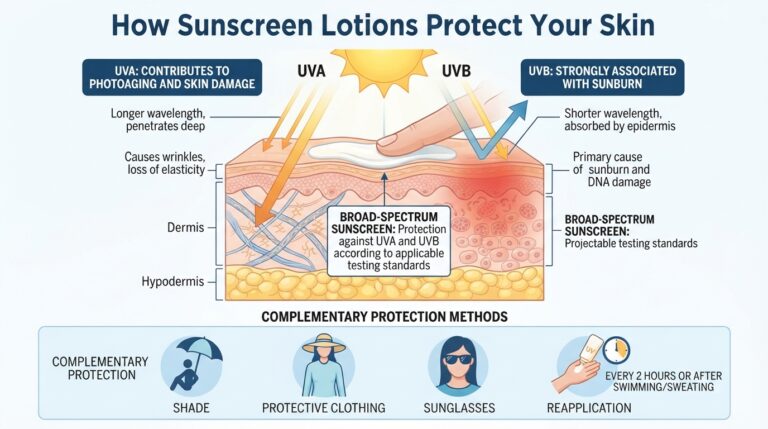
Before diving into the cost analysis, it’s essential to understand why sunscreen is a vital part of skincare. Sunscreen helps prevent skin cancer, sunburn, and premature aging. The American Academy of Dermatology recommends using sunscreen with an SPF of 30 or higher to ensure adequate protection. With statistics showing that one in five Americans will develop skin cancer in their lifetime, the value of sunscreen is undeniable.
Factors Contributing to the Cost of Sunscreen
Now that we appreciate the importance of sunscreen, let’s dive into the reasons behind its often hefty price tag. Several factors contribute to the cost, including formulation, ingredients, packaging, marketing, and more.
1. Quality Ingredients
The formulation of sunscreen plays a critical role in its effectiveness and price. High-quality sunscreen typically contains a blend of active ingredients that provide broad-spectrum protection. Here are some common ingredients found in sunscreens:
- Physical (Mineral) Filters: Zinc oxide and titanium dioxide are popular choices due to their effectiveness and lower irritation potential.
- Chemical Filters: Ingredients like avobenzone and octocrylene are often used for their ability to absorb UV radiation.
- Antioxidants: Many premium sunscreens include antioxidants such as vitamin E or C to enhance skin protection.
These ingredients not only have varying costs but also require extensive research and testing to ensure safety and efficacy, contributing to the overall price of the product.
2. Research and Development
Developing an effective sunscreen formula is no small feat. Companies invest significant resources into research and development (R&D) to create products that provide optimal protection while being safe for consumers. This includes:
- Conducting clinical trials to test efficacy and safety.
- Formulating products that are water-resistant and suitable for various skin types.
- Ensuring compliance with regulations set by health authorities.
All of these efforts can lead to higher production costs, which are ultimately passed on to the consumer.
3. Packaging and Branding
The packaging of sunscreen is more than just aesthetic; it serves to protect the integrity of the product. Quality packaging materials that prevent contamination and degradation can be costly. Additionally, branding plays a crucial role in pricing. High-end brands often invest in luxurious packaging and marketing campaigns that appeal to consumers, driving up the cost.
4. Marketing and Distribution
The skincare and cosmetics market is highly competitive, and effective marketing is essential for a product’s success. Companies spend a significant portion of their budget on:
- Advertising campaigns, including social media, print, and influencer partnerships.
- Promotional events and collaborations.
- Retail partnerships and shelf space acquisition.
These marketing costs are usually factored into the final price of the sunscreen.
Types of Sunscreens and Their Prices
The price of sunscreen can vary widely depending on the type and brand. Below is a table summarizing different types of sunscreens and their average price ranges:
| Type of Sunscreen | Average Price Range |
|---|---|
| Drugstore Brands | $5 – $15 |
| Dermatologist-Recommended Brands | $15 – $30 |
| Luxury Brands | $30 – $80+ |
| Organic/Natural Brands | $20 – $50 |
Each category offers different benefits, with higher-priced options often containing higher-quality ingredients or specialty formulations.
The Value of Investing in Sunscreen
While it may be tempting to opt for the cheapest sunscreen on the shelf, investing in a quality product can save you money in the long run. Here’s why:
- Skin Health: Quality sunscreens effectively prevent skin damage, reducing the risk of skin cancer and premature aging, leading to lower healthcare costs over time.
- Better Formulation: Higher-priced sunscreens often contain better filters and additional beneficial ingredients, such as moisturizers and antioxidants, offering extra skin benefits.
- Brand Reputation: Established brands often have a track record of safety and efficacy, providing peace of mind that you are using a reliable product.
Consumer Preferences and Trends
As consumers become more knowledgeable about skincare, preferences are shifting toward products that provide multifunctional benefits. Sunscreens that offer hydration, anti-aging properties, or are formulated for specific skin types are increasingly popular. This trend has led to higher demand for premium products, which can further drive up prices.
Tips for Choosing the Right Sunscreen
With so many options available, choosing the right sunscreen can be challenging. Here are some tips to help you make an informed decision:
- Check the SPF: Always choose a sunscreen with an SPF of 30 or higher for sufficient protection.
- Look for Broad-Spectrum Protection: Ensure the sunscreen protects against both UVA and UVB rays.
- Consider Your Skin Type: Choose a formula suited to your skin type, whether oily, dry, or sensitive.
- Read Reviews: Look for consumer feedback to gauge the effectiveness and feel of the product.
- Check for Water Resistance: If you plan to swim or sweat, opt for a water-resistant formula.
Conclusion
So, why is sunscreen so expensive? The answer lies in a combination of quality ingredients, extensive research and development, effective marketing, and packaging. Understanding these factors can help you appreciate the value of investing in a quality sunscreen. Remember, protecting your skin is not just about avoiding sunburn; it’s a long-term investment in your overall health and well-being. As you navigate the diverse sunscreen market, keep in mind that the right product can provide essential protection, making it worth the cost.