
Have you ever wondered, “Should you wear sunscreen at night?” It’s a common question among skincare enthusiasts and novices alike. The importance of sunscreen is widely recognized during the day, but what about when the sun goes down? In this article, we’ll explore the reasons why wearing sunscreen at night may or may not be beneficial, and help you understand how to best protect your skin.
The Role of Sunscreen in Skincare
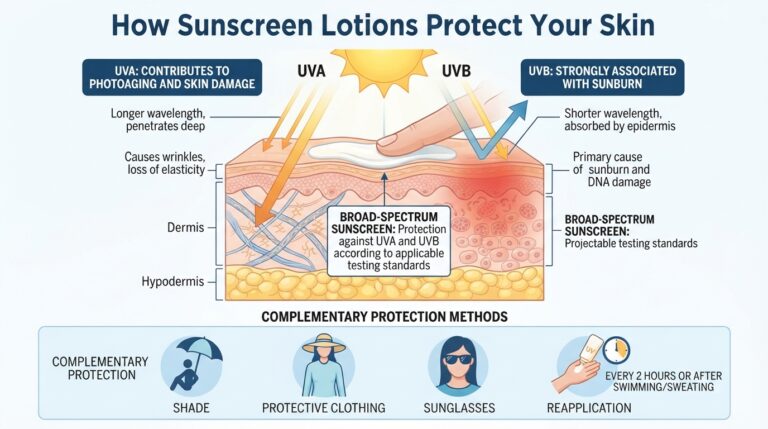
Sunscreen serves as a crucial barrier against harmful UV rays. These rays can lead to premature aging, sunburn, and even skin cancer. Here are some key points about sunscreen:
- Protection Against UV Rays: Sunscreens are formulated to absorb, reflect, or scatter UV radiation, which is responsible for skin damage.
- Prevention of Premature Aging: Regular use of sunscreen can help reduce the appearance of fine lines, wrinkles, and dark spots.
- Skin Cancer Prevention: Studies indicate that using sunscreen regularly can significantly lower the risk of developing skin cancers.
Understanding Nighttime Skincare
Nighttime is when our skin undergoes repair and rejuvenation. The skin’s natural healing processes are amplified during this time, making it an excellent opportunity to apply nourishing products. However, the question remains: does sunscreen fit into this routine?
Why People Consider Wearing Sunscreen at Night
There are several reasons why some individuals contemplate wearing sunscreen at night:
- Artificial Light Exposure: Many people are exposed to artificial light, particularly blue light emitted from screens, which may contribute to skin damage.
- Environmental Factors: Pollution and other environmental stressors can linger even when the sun is down, leading some to wonder if sunscreen might help.
- Skin Sensitivity: Some individuals with sensitive skin may feel that added protection could be beneficial.
Should You Wear Sunscreen at Night?
The short answer is: it depends. Here’s a deeper look at the arguments for and against wearing sunscreen at night.
Arguments for Wearing Sunscreen at Night
While traditional advice suggests that sunscreen is unnecessary after sunset, there are a few scenarios where it might be worth considering:
- Blue Light Concerns: Emerging research suggests that blue light may have some detrimental effects on the skin, potentially leading to issues like hyperpigmentation. Using a sunscreen formulated to block blue light could be beneficial if you frequently use digital devices at night.
- Pollution Protection: If you live in an urban area with high pollution levels, a sunscreen can provide a barrier against pollutants that may settle on your skin overnight.
Arguments Against Wearing Sunscreen at Night
On the flip side, here are some reasons why you might skip sunscreen in your nighttime skincare routine:
- Unnecessary for Most: For the average person who stays indoors at night, sunscreen is generally unnecessary since there’s minimal UV exposure.
- Potential Clogging of Pores: Sunscreens can be thick and occlusive, which may lead to clogged pores, especially if you have oily or acne-prone skin.
- Focus on Other Products: Nighttime is an ideal time to apply more active ingredients like retinoids or hydrating serums, which can be more effective without sunscreen interfering.
Alternatives to Sunscreen at Night
If you’re concerned about protecting your skin at night but prefer not to use sunscreen, consider these alternatives:
- Antioxidant Serums: Products containing vitamins C and E can help combat free radicals and provide some protective benefits.
- Moisturizers with Repair Ingredients: Look for creams containing ceramides, hyaluronic acid, or peptides that support skin repair and hydration.
- Retinoids: These can help improve skin texture and tone but should be used with care, as they can increase sun sensitivity.
How to Create an Effective Nighttime Skincare Routine
A well-rounded nighttime skincare routine can help maintain and enhance your skin’s health. Here’s how to build one:
- Cleanser: Start with a gentle cleanser to remove makeup, dirt, and impurities.
- Toner: If you use a toner, apply it after cleansing to balance your skin’s pH.
- Serums: Apply any serums containing active ingredients, such as antioxidants or retinoids.
- Moisturizer: Seal in hydration with a nourishing moisturizer tailored to your skin type.
- Treatment Products: If needed, incorporate targeted treatments for specific concerns like acne or pigmentation.
Final Thoughts
So, should you wear sunscreen at night? For most people, the answer is no, especially if you’re not exposed to direct UV light. However, if you find yourself frequently using screens at night or are concerned about pollution, you might consider a sunscreen that protects against blue light. Ultimately, focus on a well-rounded nighttime skincare routine that prioritizes cleansing, nourishing, and repairing your skin. By understanding your unique skin needs, you can make informed decisions that contribute to a healthy, radiant complexion.
FAQs
Can I skip sunscreen altogether if I stay indoors?
Yes, if you are indoors and away from windows where UV light can penetrate, sunscreen is generally not necessary.
What are the best ingredients to look for in a nighttime moisturizer?
Look for ingredients like hyaluronic acid for hydration, ceramides for barrier support, and peptides for skin repair.
Is blue light really harmful to the skin?
While research is still ongoing, some studies suggest that blue light may contribute to skin aging and pigmentation issues.
How often should I change my skincare routine?
Adjust your skincare routine based on your skin’s changing needs, seasonal changes, and any specific skin concerns.