
As the sun shines brighter and summer approaches, many of us pull out our sunscreen to protect our skin. But a common question arises: is it safe to use expired sunscreen? Understanding the implications of using sunscreen past its expiration date is crucial for maintaining skin health and preventing sun damage.
Understanding Sunscreen
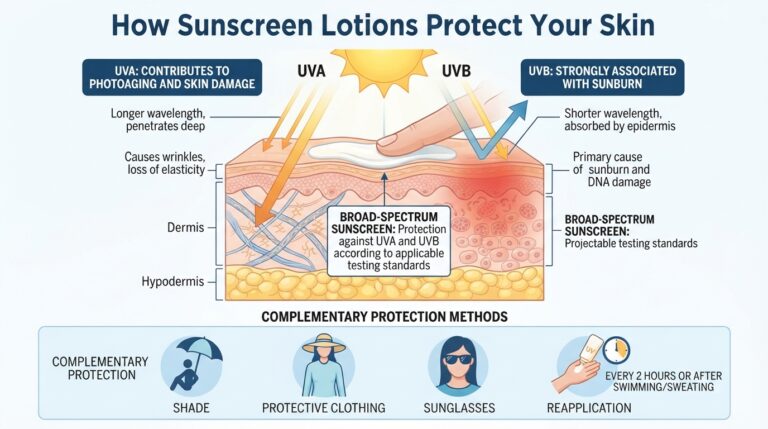
Sunscreen is designed to protect the skin from harmful UV radiation, which can lead to sunburn, skin cancer, and premature aging. Sunscreens are formulated with various active ingredients that absorb, reflect, or scatter sunlight. These ingredients can be broadly categorized into two types:
- Chemical Sunscreens: These contain organic compounds that absorb UV radiation and convert it into heat, which is then released from the skin.
- Physical (Mineral) Sunscreens: These contain active mineral ingredients like zinc oxide or titanium dioxide that physically block and scatter UV radiation.
The Science Behind Expiration Dates
Expiration dates on sunscreen bottles are not arbitrary; they are based on stability testing conducted by manufacturers. These tests assess how long the active ingredients maintain their effectiveness. After the expiration date, the efficacy of the sunscreen may degrade, leading to inadequate protection against UV rays.
What Happens to Expired Sunscreen?
When sunscreen expires, several things can occur:
- Degradation of Active Ingredients: Over time, the active ingredients in sunscreen can break down, reducing their ability to protect the skin.
- Changes in Consistency: Expired sunscreen may become thick, clumpy, or separate, making it less pleasant to apply.
- Risk of Skin Irritation: Some ingredients may react differently after expiration, potentially causing irritation or allergic reactions when applied to the skin.
How to Determine If Your Sunscreen Is Still Safe to Use
Before reaching for that old bottle of sunscreen, consider the following factors to determine its safety:
Check the Expiration Date
The first step is to look for the expiration date on the bottle. Most sunscreens have a shelf life of three years, but this can vary based on the formulation. If your sunscreen is past this date, it’s generally advisable to replace it.
Assess the Appearance and Smell
Even if the expiration date hasn’t passed, it’s essential to check the sunscreen’s appearance and smell:
- Consistency: If the sunscreen has changed in texture, such as becoming lumpy or separating, it’s best to discard it.
- Color: If there’s a noticeable change in color, this could indicate degradation.
- Odor: A rancid or unusual smell is a red flag that the product may no longer be safe to use.
The Risks of Using Expired Sunscreen
Using expired sunscreen can expose your skin to various risks:
Increased Risk of Sunburn
The primary function of sunscreen is to protect against UV radiation. If the active ingredients have degraded, your skin may not receive adequate protection, increasing the likelihood of sunburn.
Potential Long-Term Skin Damage
Repeated sunburns can contribute to long-term skin damage, including:
- Premature aging (wrinkles, fine lines, and loss of elasticity)
- Hyperpigmentation or uneven skin tone
- Increased risk of skin cancer
Skin Reactions
Expired sunscreen can lead to unexpected skin reactions. Ingredients may become irritating or cause allergic reactions, resulting in redness, itching, or rashes.
Best Practices for Sunscreen Use
To ensure you’re getting the most out of your sunscreen, follow these best practices:
Choose the Right Sunscreen
Opt for a broad-spectrum sunscreen that protects against both UVA and UVB rays. Additionally, consider the following:
- Choose SPF 30 or higher for adequate protection.
- Look for water-resistant formulas if you plan on swimming or sweating.
Proper Application Techniques
Applying sunscreen correctly is just as important as using a quality product:
- Apply Generously: Use about one ounce (a shot glass full) to cover your entire body.
- Apply Before Sun Exposure: Apply sunscreen at least 15-30 minutes before going outdoors.
- Reapply Often: Reapply every two hours, or immediately after swimming or sweating.
Store Sunscreen Properly
To maximize the shelf life of your sunscreen:
- Store it in a cool, dry place away from direct sunlight.
- Avoid leaving it in hot places like the glove compartment of your car.
Alternatives to Expired Sunscreen
If you find that your sunscreen is expired, don’t worry—there are plenty of alternatives to protect your skin:
- New Sunscreen: Invest in a new bottle of sunscreen with a good SPF rating and broad-spectrum protection.
- Protective Clothing: Wear clothing that covers your skin, such as long sleeves, hats, and UV-protective fabrics.
- Seek Shade: Limit sun exposure, especially during peak hours (10 AM to 4 PM).
Conclusion
In summary, while you may be tempted to use expired sunscreen, it’s generally not safe due to the potential degradation of active ingredients and increased risks associated with sun exposure. Always check expiration dates, assess the product’s appearance and smell, and prioritize proper storage and application methods. Your skin deserves the best protection, so investing in a fresh bottle of sunscreen is always the best choice for your health and well-being.
Remember, taking proactive steps to protect your skin can help prevent sunburn and long-term damage, ensuring you enjoy the sun safely and responsibly.