
Many people are curious about whether sunscreen works in a tanning bed. The allure of a golden tan often leads individuals to seek various methods for achieving that sun-kissed glow, including tanning beds. However, the health implications and effectiveness of sunscreen in these artificial environments can be confusing. In this article, we’ll delve into what you need to know about using sunscreen in tanning beds, exploring both its benefits and limitations.
The Science Behind Tanning Beds
Before we can fully understand whether sunscreen works in a tanning bed, it’s essential to explore how tanning beds operate. Tanning beds use ultraviolet (UV) radiation to stimulate melanin production in the skin, which results in a tan. There are two types of UV rays emitted by tanning beds:
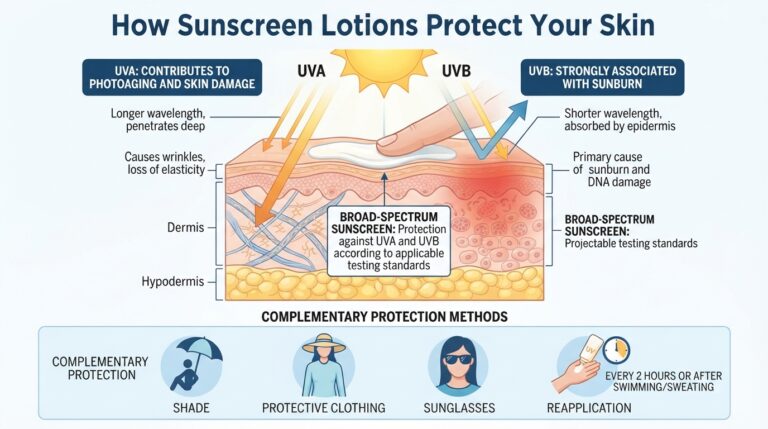
- UVA Rays: These rays penetrate deeply into the skin and are primarily responsible for skin aging and DNA damage.
- UVB Rays: These rays affect the outer layer of the skin and are responsible for sunburns.
Both types of UV exposure can increase the risk of skin cancer, making protection crucial, even in controlled environments like tanning salons.
Understanding Sunscreen
Sunscreen is a topical product designed to protect the skin from the harmful effects of UV radiation. It typically contains active ingredients that either absorb or reflect UV rays. Here are some key points about sunscreen:
- SPF Rating: The Sun Protection Factor (SPF) measures the level of protection against UVB rays. A higher SPF indicates more protection.
- Broad-Spectrum Protection: This indicates that the sunscreen protects against both UVA and UVB rays. Look for products labeled as “broad-spectrum.”
- Water Resistance: Some sunscreens are water-resistant, meaning they maintain their SPF for a certain period while sweating or swimming.
Does Sunscreen Work in a Tanning Bed?
Now, let’s address the burning question: does sunscreen work in a tanning bed? The short answer is yes, but with important caveats. Here’s a deeper look:
Effectiveness of Sunscreen in Tanning Beds
Using sunscreen in a tanning bed can provide some level of protection against UV radiation, but it is not foolproof. Here are some considerations:
- Reduced UV Exposure: Sunscreen can help reduce the intensity of UV radiation that penetrates the skin. However, it does not completely block it.
- Application Matters: To be effective, sunscreen must be applied generously and evenly. Many people underapply sunscreen, which diminishes its protective capabilities.
- Type of Sunscreen: Not all sunscreens are created equal. Broad-spectrum sunscreens with an SPF of 30 or higher are recommended for use in tanning beds.
The Risks of Tanning Beds
While sunscreen can offer some protection, it is crucial to understand the risks associated with tanning beds:
- Increased Risk of Skin Cancer: Regular use of tanning beds significantly increases the risk of developing melanoma and other skin cancers.
- Premature Aging: Tanning beds can accelerate skin aging, leading to wrinkles, loss of elasticity, and pigmentation issues.
- Eye Damage: UV radiation can harm the eyes, leading to cataracts and other eye disorders. Protective eyewear is essential.
Best Practices for Using Sunscreen in Tanning Beds
If you choose to use a tanning bed, here are some best practices to maximize protection:
Choose the Right Sunscreen
Select a broad-spectrum sunscreen with at least SPF 30. Look for products that are specifically formulated for indoor tanning, as they may contain additional moisturizers and skin-care ingredients.
Apply Generously
Apply a sufficient amount of sunscreen to all exposed areas of skin at least 15-30 minutes before entering the tanning bed. Don’t forget commonly overlooked areas like:
- Behind the ears
- Nape of the neck
- Top of the feet
Reapply as Necessary
If your tanning session exceeds the duration recommended on the sunscreen label, consider reapplying it. However, consult the tanning bed guidelines as well; some recommend against reapplication during a session.
Limit Tanning Bed Use
For optimal skin health, limit your exposure to tanning beds. The American Academy of Dermatology recommends avoiding them altogether due to the associated health risks.
Alternatives to Tanning Beds
If you’re looking for a sun-kissed glow without the harmful effects of UV radiation, consider these safer alternatives:
- Self-Tanners: These products contain dihydroxyacetone (DHA), which reacts with the amino acids in the skin’s surface to create a bronzed appearance.
- Bronzers: Unlike self-tanners, bronzers are temporary and wash off with soap and water. They can provide a quick glow for special occasions.
- Spray Tans: Professional spray tans offer a uniform glow without UV exposure. These are available at many salons and spas.
Conclusion
In summary, while sunscreen can provide some level of protection when using tanning beds, it is not a foolproof solution against the harmful effects of UV radiation. The best way to protect your skin is to minimize exposure to tanning beds altogether and opt for safer alternatives. Remember, achieving a tan shouldn’t come at the expense of your health. Always prioritize your skin’s well-being over aesthetic goals.
Whether you choose to tan naturally, use a tanning bed, or opt for a safer alternative, informed decisions will help you maintain healthy and radiant skin for years to come.