

Many people wonder, “Do I need to wear sunscreen indoors?” This question is becoming increasingly relevant as we learn more about the effects of UV radiation on our skin. While we often associate sun protection with outdoor activities, the reality is that harmful rays can still reach us even when we are inside. Understanding how this works is crucial for maintaining healthy skin.
The Science of UV Radiation
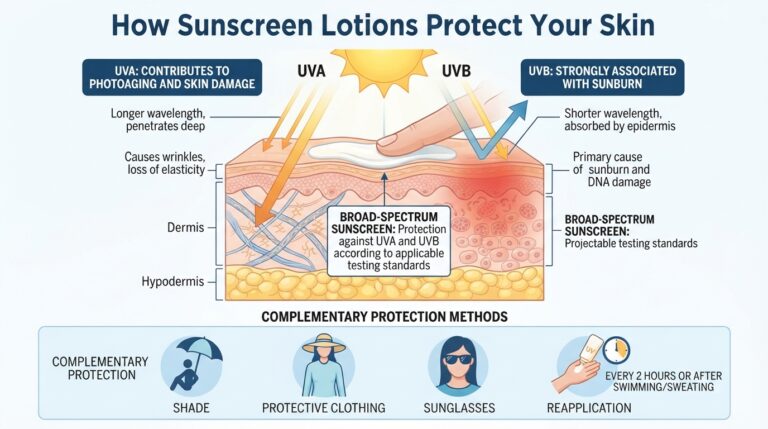
To understand whether sunscreen is necessary indoors, it’s important to know how UV radiation works. The sun emits two types of UV rays that can affect our skin:
- UVA Rays: These rays penetrate deep into the skin and are primarily responsible for aging and long-term skin damage.
- UVB Rays: These rays are responsible for sunburn and can contribute to skin cancer.
Both types of rays can have harmful effects, even when you’re indoors. UVA rays can penetrate windows, making them a concern for anyone spending long hours inside.
How Much UV Radiation Reaches Indoors?
Research shows that a significant portion of UV radiation can infiltrate indoor spaces. Here are some important points to consider:
- Window glass blocks most UVB rays but allows up to 50-70% of UVA rays to pass through.
- Areas near windows, especially if you spend a lot of time sitting at a desk or working near a light source, can expose you to these harmful rays.
- Even on cloudy days, up to 80% of UV rays can still reach your skin, emphasizing the need for protection.
The Risks of Indoor UV Exposure
Being exposed to UV radiation indoors can lead to a host of skin issues:
- Premature Aging: UVA rays can accelerate the aging process, leading to wrinkles, fine lines, and age spots.
- Skin Cancer: Prolonged exposure to UV radiation, even indoors, increases the risk of developing skin cancer over time.
- Hyperpigmentation: Dark spots and uneven skin tone can result from cumulative sun exposure, even when you’re not directly outside.
Who Should Wear Sunscreen Indoors?
While everyone can benefit from wearing sunscreen indoors, certain groups should be especially vigilant:
- Office Workers: Those who spend long hours at desks near windows are at a higher risk of UV exposure.
- Homeworkers: With the rise of remote work, more individuals are working from home, often near windows.
- Individuals with Fair Skin: People with lighter skin tones are more susceptible to UV damage and should take extra precautions.
- Individuals with a History of Skin Issues: If you have a history of sun damage or skin cancer, wearing sunscreen indoors is a must.
Choosing the Right Sunscreen
If you decide to wear sunscreen indoors, knowing how to choose the right product is essential. Here are some key factors to consider:
- Broad-Spectrum Protection: Look for sunscreens labeled “broad-spectrum,” which protect against both UVA and UVB rays.
- SPF Rating: A minimum SPF of 30 is generally recommended for daily use, even indoors.
- Water-Resistant Formulas: If you sweat or have oily skin, consider a water-resistant formula for better staying power.
- Skin Type Considerations: Choose a formula that suits your skin type—whether it’s oily, dry, or sensitive.
How to Apply Sunscreen Indoors
Applying sunscreen correctly ensures maximum protection. Follow these steps for effective application:
- Start with a clean, dry face and body.
- Apply a generous amount of sunscreen—about a nickel-sized dollop for the face.
- Don’t forget areas like your neck, ears, and the back of your hands.
- Apply sunscreen at least 15 minutes before exposure.
- Reapply every two hours, or more frequently if you’re sweating or rubbing your skin.
Additional Skin Protection Tips
In addition to wearing sunscreen, consider these tips for further protecting your skin indoors:
- Wear Protective Clothing: Long sleeves and UV-blocking clothing can offer extra protection.
- Use Window Films: Consider applying UV-blocking films on windows to reduce indoor UV exposure.
- Invest in UV-Protective Glasses: Sunglasses can protect your eyes from UV rays and prevent skin damage around the eyes.
- Limit Time Near Windows: If possible, move your workspace away from direct sunlight.
Understanding the Myths Around Indoor Sunscreen Use
There are several myths surrounding the need for sunscreen indoors. Addressing these misconceptions can help clarify the importance of sun protection:
- Myth 1: The Sun’s Rays Are Only Harmful Outdoors: As discussed, UVA rays can penetrate windows and affect skin health indoors.
- Myth 2: I Don’t Need Sunscreen on Cloudy Days: Up to 80% of UV rays can reach you on cloudy days, making sunscreen important year-round.
- Myth 3: Only Fair-Skinned People Need Sunscreen: All skin types can be damaged by UV rays; darker skin tones are not immune to skin cancer.
Conclusion
So, do I need to wear sunscreen indoors? The answer is a resounding yes! While it may seem unnecessary at first glance, the reality is that UV rays can still pose a threat to your skin even when you’re inside. By incorporating sunscreen into your daily routine, you can significantly reduce the risk of skin damage and maintain your skin’s health. Remember to choose the right product, apply it correctly, and take additional protective measures to safeguard your skin. Your future self will thank you for it!