
Finding a suitable alternative for sunscreen can be a challenge for those allergic to traditional formulations. If you’re wondering what to use if allergic to sunscreen, you’re not alone. Many people experience reactions to common sunscreen ingredients, prompting the need for safer, effective alternatives that protect your skin from harmful UV rays.
Understanding Sunscreen Allergies
Before diving into alternatives, it’s essential to understand why some individuals are allergic to sunscreen. The reactions can range from mild irritation to severe allergic responses. Here are some common culprits in sunscreen formulations:
- Chemical Filters: Ingredients like oxybenzone, octinoxate, and avobenzone can cause skin irritations in sensitive individuals.
- Preservatives: Chemicals like parabens and formaldehyde-releasing agents may lead to allergic reactions.
- Fragrances: Artificial fragrances often included in sunscreens can trigger allergic responses.
If you have experienced adverse reactions to sunscreen, it’s crucial to identify the specific ingredient causing the issue, which can often be determined through a patch test with the help of a dermatologist.
Natural Alternatives to Traditional Sunscreen
If you’re looking for what to use if allergic to sunscreen, many natural alternatives can provide sun protection while being gentle on the skin. Here are some effective options:
Coconut Oil
Coconut oil is known for its moisturizing properties and has an SPF of about 4-5. While it doesn’t provide complete protection against UV rays, it can be used in combination with other natural ingredients for enhanced protection.
Zinc Oxide
Zinc oxide is a mineral sunscreen that sits on top of the skin and reflects UV rays. It is often recommended for those with sensitive skin and is less likely to cause allergic reactions. Look for products containing 20% zinc oxide for effective broad-spectrum protection.
Shea Butter
Shea butter provides a natural moisturizing barrier and has a low SPF of around 6. It is an excellent option for sensitive skin, offering soothing properties while providing mild sun protection.
Red Raspberry Seed Oil
This oil is gaining popularity for its potential sun-blocking properties, boasting an SPF of 28-50. It is rich in antioxidants and can help nourish the skin while providing some level of UV protection.
Physical Barriers Against UV Rays
In addition to natural oils, physical barriers can be remarkably effective in protecting against sun exposure. Consider these options:
Clothing
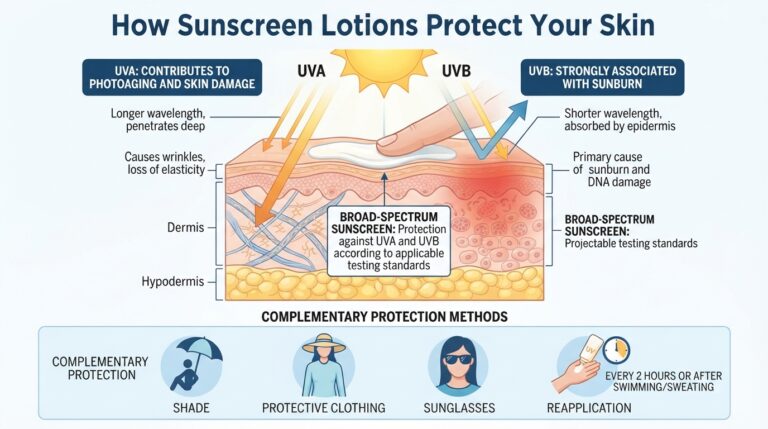
Wearing tightly woven fabrics can significantly reduce your risk of UV exposure. Look for clothing with UV protection ratings, commonly found in outdoor clothing lines.
Hats and Sunglasses
A wide-brimmed hat can shield your face, neck, and ears from the sun. Additionally, UV-blocking sunglasses protect your eyes and the delicate skin around them.
Homemade Sunscreen Recipes
If you prefer a DIY approach, creating your own sunscreen at home can be an excellent solution. Here are two simple recipes:
Simple Natural Sunscreen
- 1/2 cup coconut oil
- 1/4 cup shea butter
- 1/4 cup zinc oxide (non-nano)
- Optional: essential oils for fragrance
Combine all ingredients in a double boiler until melted. Stir well and let it cool before storing in a container.
Herbal Infused Sunscreen
- 1/2 cup olive oil
- 1/4 cup beeswax
- 1/4 cup red raspberry seed oil
- 1/4 cup zinc oxide (non-nano)
Melt the olive oil and beeswax together. Once melted, remove from heat and mix in the red raspberry seed oil and zinc oxide. Allow it to cool and store in a jar.
Other Considerations for Sensitive Skin
When looking for what to use if allergic to sunscreen, it’s essential to take additional precautions to protect your skin:
Seek Shade
Whenever possible, stay in shaded areas, especially during peak sun hours (10 a.m. to 4 p.m.). This simple practice can help minimize sun exposure significantly.
Limit Exposure
Reduce your time in direct sunlight, and consider wearing protective clothing, even when outside for short periods. This habit can help your skin remain safe from UV damage.
Consult a Dermatologist
If you have persistent reactions or concerns about sun protection, consider consulting with a dermatologist. They can recommend specific products or treatments tailored to your skin type and sensitivities.
Recognizing and Managing Allergic Reactions
For those who have experienced reactions to sunscreen, it’s vital to recognize the symptoms early. Common signs of an allergic reaction can include:
- Redness and irritation
- Itching or burning sensations
- Swelling or hives
If you notice these symptoms, discontinue use immediately and wash the affected area with mild soap and water. Over-the-counter antihistamines may help alleviate symptoms, but consult a healthcare professional if reactions persist or worsen.
Conclusion
Finding effective sun protection is crucial, especially for those allergic to traditional sunscreen formulations. By exploring natural alternatives, physical barriers, and homemade recipes, you can protect your skin without compromising your health. Remember to take additional precautions by seeking shade, limiting sun exposure, and consulting with a dermatologist for tailored advice. With these strategies, you can enjoy the sun safely and confidently.