
Achieving a sun-kissed glow while protecting your skin is a balance many strive for. Knowing how to tan with sunscreen is essential for enjoying the sun without damaging your skin. This guide will walk you through effective tanning techniques, the importance of sunscreen, and tips to maximize your tanning experience while minimizing the risk of sunburn and skin damage.
Understanding the Basics of Tanning
Tanning occurs when your skin produces more melanin in response to ultraviolet (UV) rays from the sun. While some sun exposure is necessary for vitamin D production, too much can lead to skin damage and increase the risk of skin cancer. This is where the importance of sunscreen comes into play.
The Role of UV Rays
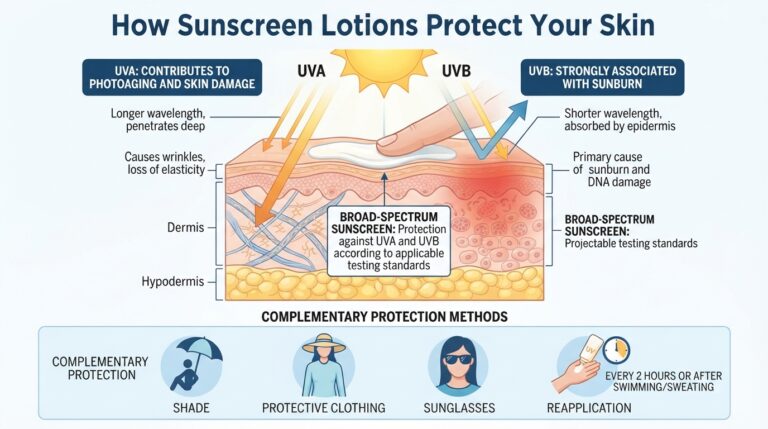
There are two main types of UV rays that affect your skin:
- UVA rays: These rays penetrate deep into the skin and are primarily responsible for aging and wrinkles.
- UVB rays: These rays cause sunburn and play a significant role in developing skin cancer.
Both types of rays can affect your tanning process, making proper sunscreen application crucial.
Choosing the Right Sunscreen
Not all sunscreens are created equal, especially when it comes to tanning. Here’s what to consider when selecting a sunscreen:
SPF Rating
The Sun Protection Factor (SPF) indicates the level of protection a sunscreen provides against UVB rays. For tanning, it’s generally recommended to use a sunscreen with an SPF of at least 30. Here’s a breakdown of SPF ratings:
| SPF Rating | Protection Level |
|---|---|
| 15 | 93% of UVB rays blocked |
| 30 | 97% of UVB rays blocked |
| 50 | 98% of UVB rays blocked |
Broad-Spectrum Protection
Look for sunscreens labeled as “broad-spectrum,” which means they protect against both UVA and UVB rays. This is crucial for preventing skin damage while tanning.
Water Resistance
If you plan to swim or sweat, opt for a water-resistant sunscreen. These products maintain their SPF protection for 40 to 80 minutes in water or while sweating.
How to Apply Sunscreen for Tanning
Applying sunscreen correctly is just as important as choosing the right product. Follow these steps for optimal application:
Step-by-Step Application
- Choose the Right Amount: Use about one ounce (a shot glass full) for full-body coverage.
- Apply Generously: Use enough product on all exposed skin, including often-missed areas like ears, feet, and the back of your knees.
- Apply Before Exposure: Apply sunscreen at least 15 to 30 minutes before sun exposure to allow it to absorb into the skin.
- Reapply Regularly: Reapply every two hours and immediately after swimming or excessive sweating.
Tips for Effective Tanning with Sunscreen
Here are some practical tips to enhance your tanning experience while using sunscreen:
- Start Slow: If you have fair skin, begin with shorter sun exposure times (10-15 minutes) and gradually increase as your skin builds tolerance.
- Seek Shade: Take breaks in the shade to prevent overexposure while still allowing your skin to tan.
- Consider Tanning Oils: Some tanning oils contain SPF and can help you achieve a deeper tan while offering protection.
- Stay Hydrated: Drink plenty of water to keep your skin hydrated and healthy during sun exposure.
Understanding Tanning Products
There’s a variety of tanning products available that can complement your sunscreen use:
Tanning Oils vs. Lotions
Tanning oils tend to provide a more intense tan due to their lower SPF and moisturizing properties. However, they can lead to sunburn if not used carefully. Lotions, on the other hand, provide higher SPF protection, making them a safer choice for longer exposure times.
Self-Tanners and Bronzing Products
If you prefer to avoid sun exposure altogether, consider self-tanners or bronzers. These products offer a tan without the need for UV exposure. Self-tanners work by reacting with the amino acids in your skin to create a tanned appearance. Be sure to follow the application instructions for even results.
Debunking Tanning Myths
There are several misconceptions about tanning and sunscreen that can lead to improper practices. Let’s debunk some common myths:
Myth 1: Sunscreen Prevents Tanning
While sunscreen does limit the amount of UV exposure, it does not completely block tanning. With proper application, you can still achieve a tan while protecting your skin.
Myth 2: You Don’t Need Sunscreen on Cloudy Days
Up to 80% of UV rays can penetrate clouds, making it essential to wear sunscreen even on overcast days.
Myth 3: You Only Need to Apply Sunscreen Once
Reapplication is crucial for maintaining protection. Even water-resistant formulas need to be reapplied after swimming or sweating.
Signs of Overexposure and Sunburn
It’s essential to be mindful of your skin during tanning sessions. Here are some warning signs of overexposure:
- Redness or irritation on the skin
- Blistering or peeling skin
- Itching or burning sensations
If you experience any of these symptoms, seek shade immediately and apply soothing lotions or aloe vera to calm the skin. Hydration is also vital during this time.
Aftercare for Your Skin
Taking care of your skin post-tanning is just as important as the tanning process itself. Here are some aftercare tips:
- Moisturize: Apply a hydrating lotion or aloe vera to replenish moisture lost during sun exposure.
- Avoid Hot Showers: Hot water can further dry out your skin; opt for lukewarm showers instead.
- Stay Hydrated: Continue drinking water to maintain hydration levels in your skin.
Conclusion: Enjoying a Safe Tan
Learning how to tan with sunscreen is essential for anyone looking to enjoy the sun safely. By selecting the right products, applying them correctly, and understanding your skin’s needs, you can achieve that beautiful tan while minimizing the risks associated with UV exposure. Always prioritize your skin’s health, and remember, a gradual tan is not only safer but often more beautiful than a deep, quick burn. Happy tanning!