
Sunburn is a painful reminder of the sun’s power, and many people wonder, can I put sunscreen on a sunburn? The answer is not as straightforward as one might think. In this comprehensive guide, we’ll explore sunburn treatments, the role of sunscreen, and how to protect your skin effectively after a sunburn.
What is Sunburn?
Sunburn occurs when the skin is overexposed to ultraviolet (UV) radiation from the sun, leading to inflammation and damage. Symptoms can vary from mild redness to severe blistering. Understanding the characteristics of sunburn is crucial for effective treatment.
Symptoms of Sunburn
Common symptoms of sunburn include:
- Red or pink skin
- Pain or tenderness
- Swelling
- Blisters in severe cases
- Peeling skin as it heals
Why Is Sunscreen Important?
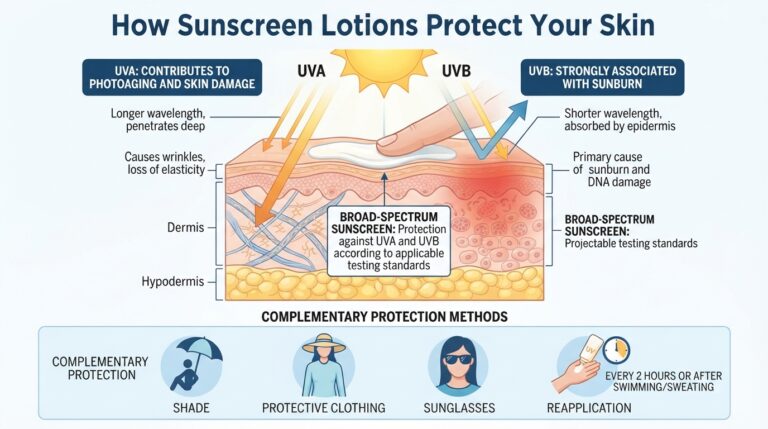
Sunscreen acts as a protective barrier against UV radiation. It helps prevent sunburn, skin cancer, and premature aging. Understanding its importance is key to maintaining healthy skin.
Types of Sunscreen
There are two main types of sunscreens:
- Chemical Sunscreens: Absorb UV radiation and convert it into heat, which is then released from the skin.
- Physical (Mineral) Sunscreens: Contain active mineral ingredients like zinc oxide or titanium dioxide that sit on top of the skin and deflect UV rays.
Can I Put Sunscreen on a Sunburn?
The short answer is yes, you can put sunscreen on a sunburn, but there are important considerations. Applying sunscreen on sunburned skin can provide some protection against further UV exposure, which is crucial for healing. However, it’s essential to choose the right product and application method.
Choosing the Right Sunscreen for Sunburned Skin
When selecting a sunscreen to apply on sunburned skin, consider the following:
- SPF Rating: Choose a broad-spectrum sunscreen with an SPF of at least 30.
- Ingredients: Opt for a fragrance-free and hypoallergenic formula to minimize irritation.
- Consistency: A lotion or cream may be more soothing than a gel or spray.
How to Apply Sunscreen on Sunburn
If you decide to apply sunscreen on sunburned skin, follow these steps for the best results:
- Wait until the sunburn has started to heal and is no longer painful to touch.
- Gently cleanse the area with a mild soap and lukewarm water, then pat dry.
- Apply a thin layer of sunscreen, avoiding excessive rubbing which can irritate the skin further.
- Reapply every two hours, especially if you are sweating or swimming.
Additional Sunburn Care Tips
Besides sunscreen, there are other effective ways to care for sunburned skin:
Hydration
Drink plenty of water to help your body recover. Sunburn can lead to dehydration, so keeping yourself hydrated is essential.
Soothing Remedies
Consider using soothing products to alleviate sunburn discomfort:
- Aloe Vera: Known for its cooling effect, aloe vera gel can provide relief and promote healing.
- Cold Compresses: Applying a cold, damp cloth can reduce swelling and soothe the skin.
- Moisturizers: Use fragrance-free moisturizers to keep the skin hydrated.
Over-the-Counter Medications
Non-steroidal anti-inflammatory drugs (NSAIDs) like ibuprofen can help reduce pain and inflammation associated with sunburn.
When to Seek Medical Attention
While most sunburns can be treated at home, there are certain signs that indicate you should seek medical help:
- Severe blistering
- High fever or chills
- Signs of infection, such as increased redness, warmth, or pus
- Severe pain that does not improve with over-the-counter medications
Preventing Future Sunburns
Once you’ve dealt with a sunburn, it’s crucial to prevent future occurrences. Here are some preventive measures:
- Apply Sunscreen: Use a broad-spectrum sunscreen with at least SPF 30, applying it generously and frequently.
- Wear Protective Clothing: Long sleeves, hats, and UV-protective clothing can shield your skin.
- Avoid Peak Sun Hours: Try to stay indoors or seek shade between 10 AM and 4 PM when UV rays are strongest.
- Reapply Frequently: Reapply sunscreen every two hours and after swimming or sweating.
Conclusion
So, can I put sunscreen on a sunburn? Yes, but with care and consideration. Protecting your sunburned skin with the right sunscreen can help prevent further damage while you heal. Remember to stay hydrated, use soothing remedies, and most importantly, take preventive measures to avoid sunburn in the future. Your skin deserves the best care possible, so be mindful of sun exposure and enjoy the outdoors safely.