

When it comes to skincare, one of the most frequently asked questions is: what comes first, moisturizer or sunscreen? Understanding the correct application order can significantly impact the effectiveness of your skincare routine and ultimately the health of your skin.
In this comprehensive guide, we’ll explore the science behind moisturizer and sunscreen, why the order of application matters, and practical tips to help you achieve the best results for your skin. Whether you’re a skincare novice or a seasoned pro, this article will provide valuable insights.
The Importance of Each Product
Before we dive into the application order, it’s essential to understand the purpose of both moisturizer and sunscreen. Each serves a specific function that contributes to skin health.
What is Moisturizer?
A moisturizer’s primary role is to hydrate the skin and prevent moisture loss. It contains ingredients that help retain water in the skin, keeping it supple and healthy. Here are some common types of moisturizers:
- Lotions: Lightweight and easily absorbed, often ideal for oily skin.
- Creams: Thicker than lotions, suitable for dry or sensitive skin.
- Ointments: Provide a protective barrier and are best for very dry skin.
What is Sunscreen?
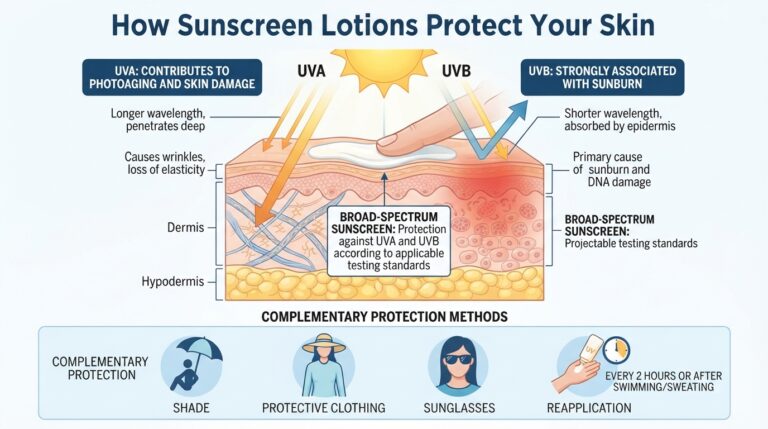
Sunscreen protects the skin from harmful UV rays, which can lead to premature aging, sunburn, and skin cancer. Sunscreens are classified into two main types:
- Physical (Mineral) Sunscreens: Contain active mineral ingredients like zinc oxide or titanium dioxide, which sit on the skin’s surface and reflect UV rays.
- Chemical Sunscreens: Absorb UV radiation and convert it into heat, which the skin then releases. Common ingredients include avobenzone, octisalate, and octocrylene.
Understanding the Application Order
Now that we know what each product does, let’s address the burning question: what comes first, moisturizer or sunscreen? The answer is simple: moisturizer should be applied first, followed by sunscreen.
Why Moisturizer First?
Applying moisturizer before sunscreen allows for better hydration and prepares the skin for sun protection. Here are a few reasons why this order is crucial:
- Enhanced Absorption: Moisturizers are designed to penetrate the skin and deliver hydration. Applying it first ensures that it can effectively absorb without interference from sunscreen.
- Barrier Protection: Moisturizers provide a barrier that helps to lock in hydration. When sunscreen is applied on top, it can create an additional layer of protection against environmental factors.
- Improved Efficacy: Sunscreen needs to form a protective layer on the skin to be effective. Applying it over a moisturizer allows it to work optimally without being diluted.
Potential Issues with Applying in the Wrong Order
Applying sunscreen before moisturizer can lead to several issues:
- Decreased Effectiveness: Sunscreen may not adhere properly to the skin, reducing its effectiveness in blocking UV rays.
- Dryness: Skipping moisturizer can result in dry, flaky skin, which can compromise the overall health of your complexion.
- Increased Irritation: Some sunscreens can be irritating on their own. A moisturizer can help mitigate this irritation by providing a hydrating base.
How to Apply Moisturizer and Sunscreen
Now that we understand the order of application, let’s look at how to apply both products effectively for maximum benefit.
Steps to Apply Moisturizer
- Cleanse: Start with a clean face. Use a gentle cleanser suitable for your skin type.
- Pat Dry: Gently pat your skin dry with a clean towel. Avoid rubbing, as this can irritate the skin.
- Apply Moisturizer: Take a pea-sized amount of moisturizer and apply it evenly across your face and neck. Use upward strokes to help with absorption.
- Allow Absorption: Wait a few minutes for your moisturizer to absorb fully before moving on to sunscreen.
Steps to Apply Sunscreen
- Choose the Right SPF: Select a broad-spectrum sunscreen with at least SPF 30 for daily use.
- Take Enough Product: Use about a nickel-sized amount for your face. Don’t forget areas like your ears, neck, and the back of your hands.
- Apply Evenly: Spread the sunscreen evenly across all exposed areas of skin. Ensure no spots are missed.
- Reapply Regularly: If you’re spending time outdoors, remember to reapply every two hours or immediately after swimming or sweating.
Tips for Combining Moisturizer and Sunscreen
Combining moisturizer and sunscreen can sometimes feel daunting, but it doesn’t have to be. Here are some practical tips to make the process easier:
- Look for Multi-Functional Products: Some moisturizers come with built-in SPF. While this can be convenient, ensure they provide adequate protection (at least SPF 30).
- Patch Test New Products: Before incorporating new products into your routine, do a patch test to avoid potential reactions.
- Consider Your Skin Type: Choose a moisturizer that suits your skin type (oily, dry, combination) and a sunscreen that feels comfortable on your skin.
- Make it a Routine: Apply moisturizer and sunscreen every morning as part of your skincare routine. Consistency is key for effective protection and hydration.
Conclusion
In summary, when it comes to the question of what comes first, moisturizer or sunscreen, the answer is clear: always apply moisturizer first, followed by sunscreen. This order maximizes hydration and ensures effective sun protection, crucial for maintaining healthy skin.
By understanding the roles of each product, following the correct application steps, and implementing practical tips, you can enhance your skincare routine. Don’t forget that taking care of your skin is a long-term investment in your health and well-being. So, embrace this daily ritual and enjoy the benefits of radiant, protected skin!