
Have you ever applied sunscreen and noticed it starts to pill on your skin? Understanding why your sunscreen pills is essential for achieving effective sun protection. In this article, we’ll delve into the reasons behind this frustrating phenomenon and provide you with practical tips to prevent it from happening in the future.
The Basics of Sunscreen Formulation
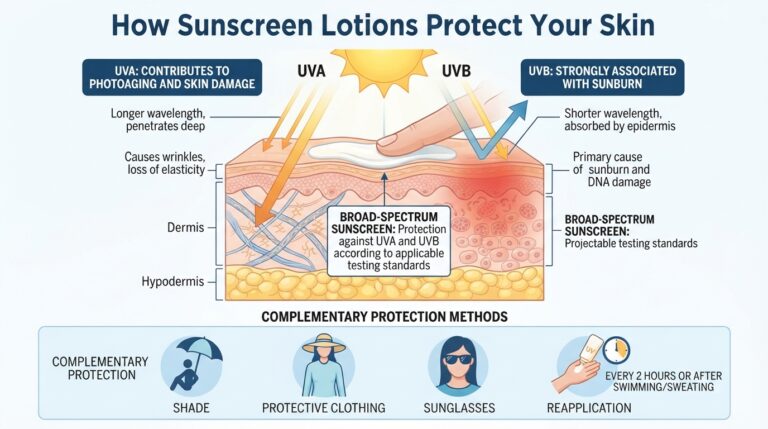
To comprehend why your sunscreen pills, it’s important to first understand how sunscreen is formulated. Sunscreen products typically contain a combination of active ingredients that protect your skin from harmful UV rays, as well as inactive ingredients that help with application and texture.
There are two main types of active ingredients in sunscreen:
- Chemical Filters: These absorb UV radiation and convert it into heat, which is then released from the skin.
- Physical (Mineral) Filters: These sit on top of the skin and reflect UV radiation away from the body.
In addition to these active ingredients, sunscreens contain various emulsifiers, stabilizers, and preservatives that ensure the product maintains its consistency and effectiveness over time.
What Causes Sunscreen to Pill?
Sunscreen pilling can be a perplexing issue, and several factors can contribute to this problem. Let’s explore some of the most common causes:
1. Incompatible Ingredients
One of the leading reasons sunscreen pills is due to the interaction of different ingredients. When certain ingredients in your sunscreen react with those in your skincare or makeup products, it can lead to pilling. For example:
- Silicones in primers or moisturizers can clash with certain sunscreen formulations.
- Heavy oils or rich creams can cause some sunscreens to break down and pill.
2. Application Technique
Your application technique plays a crucial role in whether or not your sunscreen pills. Here are some factors to consider:
- Too Much Product: Applying a thick layer of sunscreen can create a barrier that doesn’t fully absorb, leading to pilling.
- Rubbing vs. Patting: Rubbing sunscreen in too aggressively can disrupt its formulation, causing it to clump.
3. Skin Type and Condition
Your skin type can significantly affect how sunscreen behaves on your skin. For instance:
- Oily Skin: Those with oily skin may find that heavy sunscreens don’t absorb well, leading to pilling.
- Dry Skin: If your skin is dry and flaky, sunscreen may cling to these patches, resulting in a pilled appearance.
How to Prevent Sunscreen Pilling
Now that you better understand the reasons behind sunscreen pilling, let’s discuss how to avoid it. Here are some practical tips to ensure your sunscreen stays smooth and effective:
1. Choose the Right Formula
Not all sunscreens are created equal. When selecting a sunscreen, consider the following:
- Skin Type: If you have oily skin, opt for oil-free or gel-based sunscreens. For dry skin, look for cream-based options that provide hydration.
- Ingredient Compatibility: Check the ingredient list to ensure compatibility with your other skincare products.
2. Apply Sunscreen on Clean Skin
For the best results, apply sunscreen to clean, dry skin. This will help ensure better absorption and minimize the chances of pilling. Follow these steps:
- Cleanse your face thoroughly to remove any residue from previous products.
- Allow your skin to dry completely before applying sunscreen.
3. Layer Your Products Wisely
If you use multiple skincare or makeup products, be mindful of the order in which you apply them:
- Apply lightweight serums and moisturizers before sunscreen.
- Use sunscreens that are designed to work well under makeup if you plan to apply foundation or powder afterward.
4. Use the Right Application Technique
How you apply your sunscreen can make a significant difference. Here are some tips:
- Use the Right Amount: Apply a generous amount—about a nickel-sized dollop for your face.
- Pat, Don’t Rub: Gently pat the sunscreen into your skin rather than rubbing it in aggressively.
Common Sunscreen Ingredients to Look For
When shopping for sunscreen, pay attention to the ingredient list. Here are some common ingredients and what they do:
| Ingredient | Type | Function |
|---|---|---|
| Zinc Oxide | Physical | Provides broad-spectrum UV protection and is suitable for sensitive skin. |
| Octocrylene | Chemical | Stabilizes other sunscreen agents and provides UV protection. |
| Avobenzone | Chemical | Offers broad-spectrum protection against UVA rays. |
| Homosalate | Chemical | Absorbs UVB rays and helps improve the overall efficacy of the sunscreen. |
Conclusion: Achieving Smooth Sunscreen Application
Understanding why your sunscreen pills is crucial for effective sun protection. By being aware of ingredient compatibility, application techniques, and your skin type, you can avoid this frustrating issue and enjoy the benefits of sunscreen without the hassle. Remember, the key to flawless sunscreen application lies in choosing the right products and applying them correctly. With these tips in mind, you can ensure your skin is protected from harmful UV rays without the annoyance of pilling.
Make sun safety a priority by selecting the best sunscreen for your skin and following the recommended practices. Your skin will thank you for it!