
When it comes to sunscreen, many people are becoming increasingly aware of the environmental impact of their choices. A common question that arises is, “Is Black Girl Sunscreen reef safe?” This inquiry is vital not just for skin protection but also for preserving our oceans and marine life. In this article, we will dive deep into the ingredients of Black Girl Sunscreen, the concept of reef safety, and how to choose the right sunscreen for both your skin and the environment.
Understanding Reef-Safe Sunscreen
Before we answer the question regarding Black Girl Sunscreen’s reef safety, it’s important to understand what “reef-safe” means. Reef-safe sunscreens are formulated without harmful chemicals that can damage coral reefs and other marine ecosystems. The primary culprits often include:
- Oxybenzone
- Octinoxate
- Octocrylene
- Homosalate
- Parabens
These ingredients can contribute to coral bleaching, disrupt marine life, and overall harm aquatic environments. Therefore, many consumers are now looking for alternatives that prioritize both their skin health and the health of our oceans.
Black Girl Sunscreen: Product Overview
Black Girl Sunscreen was created with a mission to provide effective sun protection specifically for darker skin tones. Founded by Shontay Lundy, the brand aims to address the lack of representation in the sunscreen market and promote inclusivity. The product is designed not only to protect but also to nourish the skin, offering benefits beyond UV protection.
Key Ingredients
Black Girl Sunscreen is formulated with a variety of skin-loving ingredients, including:
- Avocado Oil
- Jojoba Oil
- Carrot Seed Oil
- Vitamin E
- Non-nano zinc oxide
These ingredients not only provide sun protection but also hydrate and nourish the skin, making it suitable for daily use.
Is Black Girl Sunscreen Reef Safe?
When evaluating whether Black Girl Sunscreen is reef-safe, we need to focus on the ingredients list. The formulation utilizes non-nano zinc oxide as its active ingredient. Non-nano zinc oxide is considered a safe alternative to chemical sunscreens, as it provides broad-spectrum protection without the harmful effects associated with chemical filters.
According to the brand, Black Girl Sunscreen is free from oxybenzone and octinoxate, making it a reef-safe option for consumers who are environmentally conscious. This aligns with the brand’s commitment to both skincare and sustainability, allowing users to protect their skin while also being mindful of marine life.
Why Choose Reef-Safe Sunscreens?
The choice to opt for reef-safe sunscreens goes beyond personal health; it contributes to the well-being of our planet. Here are some compelling reasons to consider:
- Environmental Protection: Reef-safe sunscreens help preserve marine ecosystems and prevent coral bleaching.
- Healthier Oceans: Protecting coral reefs helps maintain biodiversity, which is crucial for a balanced marine ecosystem.
- Long-Term Sustainability: By choosing reef-safe options, consumers can support brands that prioritize sustainability and eco-friendliness.
How to Choose the Right Sunscreen
Choosing the right sunscreen can be overwhelming given the plethora of options available. Here are some essential factors to consider when selecting sunscreen:
1. Broad-Spectrum Protection
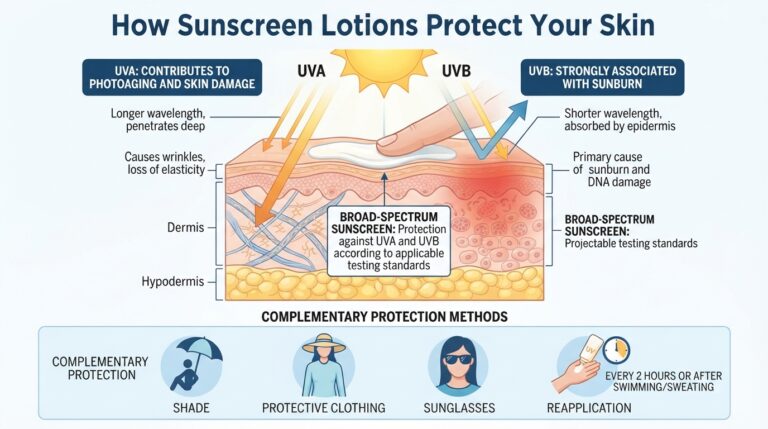
Always look for a sunscreen labeled as “broad-spectrum.” This means it protects against both UVA and UVB rays, which are responsible for skin damage and sunburns.
2. SPF Rating
The Sun Protection Factor (SPF) indicates the level of protection the product offers. For most skin types, an SPF of 30 or higher is recommended for adequate protection.
3. Skin Type
Consider your skin type when selecting a sunscreen. For example:
- Oily Skin: Look for gel-based or oil-free formulations.
- Dry Skin: Cream-based sunscreens with moisturizing ingredients are ideal.
- Sensitive Skin: Choose mineral-based (physical) sunscreens with fewer irritants.
4. Water Resistance
If you plan to swim or sweat, opt for a water-resistant sunscreen. However, remember that no sunscreen is completely waterproof, so reapplication is essential.
5. Ingredient Safety
Review the ingredient list for harmful chemicals. As we’ve established, avoid products with oxybenzone, octinoxate, and other harmful filters.
Application Tips for Effective Protection
Applying sunscreen correctly is essential for maximizing its effectiveness. Here are some tips to ensure you’re using it properly:
- Apply Generously: Use about an ounce (a shot glass full) for full-body coverage.
- Timing: Apply sunscreen at least 15 minutes before sun exposure to allow it to absorb into your skin.
- Reapply Regularly: Reapply every two hours, or immediately after swimming or sweating.
- Don’t Forget Areas: Pay attention to often-missed areas like the ears, back of the neck, and tops of the feet.
Conclusion
In summary, Black Girl Sunscreen is indeed a reef-safe option, allowing you to protect your skin without compromising the health of our oceans. By choosing reef-safe sunscreens, you are not only safeguarding your skin from harmful UV rays but also contributing to the fight against coral bleaching and protecting marine life. The shift towards environmentally friendly products is imperative for our planet’s future, and Black Girl Sunscreen stands as a testament to this movement.
Incorporating reef-safe products into your daily routine can make a significant impact, encouraging more brands to consider the environmental consequences of their formulations. With Black Girl Sunscreen, you can feel confident that you are making a choice that benefits both your skin and the planet.