

When it comes to skincare and makeup application, one of the most common questions is, “Does primer go on before or after sunscreen?” Understanding the right order can make a significant difference in both the effectiveness of your skincare routine and the longevity of your makeup. In this article, we’ll explore the roles of primer and sunscreen, the ideal application order, and some additional tips for achieving a flawless look.
The Importance of Sunscreen
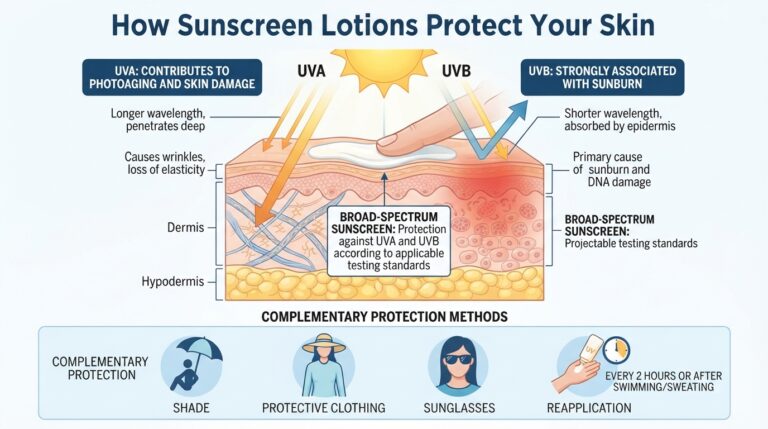
Sunscreen is a crucial part of any skincare routine, regardless of your skin type or condition. It protects your skin from harmful UV rays that can lead to premature aging, sunburn, and even skin cancer. Here are some key points about sunscreen:
- Broad Spectrum Protection: Look for a sunscreen that offers broad-spectrum protection, which shields your skin from both UVA and UVB rays.
- SPF Rating: Choose a sunscreen with an SPF of at least 30 for daily wear, and higher if you plan to be outdoors for extended periods.
- Water-Resistance: If you will be sweating or swimming, consider a water-resistant formula.
Applying sunscreen correctly is essential for maximizing its benefits. It should be the last step in your skincare routine but before any makeup application.
The Role of Primer
Primer serves as a base for your makeup, creating a smooth canvas that helps products adhere better and last longer. Additionally, primers can address specific skin concerns, such as:
- Pore Minimizing: Some primers are formulated to reduce the appearance of pores.
- Color Correcting: Certain primers can neutralize redness or brighten dull skin.
- Hydration: Hydrating primers can give your skin a moisture boost, especially beneficial for dry skin types.
Applying primer correctly can enhance your makeup’s finish and longevity, making it an essential step in your beauty routine.
Application Order: Primer vs. Sunscreen
So, does primer go on before or after sunscreen? The answer is clear: sunscreen should always be applied first, followed by primer. Here’s why:
1. Sunscreen Needs Direct Contact with Skin
For sunscreen to be effective, it needs to form a protective layer on your skin. If you apply primer first, it can create a barrier that may hinder the sunscreen’s ability to adhere to the skin, reducing its effectiveness.
2. Primer Enhances Makeup, Not Protection
While primer is designed to improve the application and longevity of makeup, it does not provide the sun protection that sunscreen does. By applying sunscreen first, you ensure that your skin is adequately protected from UV damage before layering on makeup products.
3. Consistency and Absorption
Applying sunscreen first allows it to absorb into the skin properly. After a few minutes, you can follow with primer, which will then sit on top of the sunscreen without interfering with its protective properties.
How to Apply Sunscreen and Primer Effectively
To maximize the benefits of both products, follow these steps:
- Cleanse: Start with a clean face to remove any dirt or oils.
- Moisturize: If you have dry skin, apply a moisturizer suitable for your skin type.
- Apply Sunscreen: Use a generous amount (about a nickel-sized amount) and apply evenly across your face and neck. Don’t forget areas like your ears and the back of your neck.
- Wait: Allow the sunscreen to absorb for at least 5-10 minutes before proceeding.
- Apply Primer: Use a pea-sized amount of primer and apply it evenly, focusing on areas where you want to smooth out texture or minimize pores.
- Makeup Application: Once your primer is set, you can apply foundation and other makeup products as desired.
Choosing the Right Products
Not all sunscreens and primers are created equal. Here’s what to consider when selecting products:
Choosing Sunscreen
Look for the following qualities in a good sunscreen:
- Non-Comedogenic: This means it won’t clog your pores, which is especially important for acne-prone skin.
- Lightweight Formulation: Gel or lotion-based sunscreens tend to feel lighter on the skin compared to creams.
- Mineral vs. Chemical: Mineral sunscreens (Zinc Oxide or Titanium Dioxide) are great for sensitive skin, while chemical sunscreens often absorb quickly and are less visible on the skin.
Choosing Primer
When selecting a primer, consider your skin type and the finish you desire:
- Oily Skin: Look for mattifying primers that control shine.
- Dry Skin: Opt for hydrating primers that infuse moisture into the skin.
- Combination Skin: A silicone-based primer can balance various skin types.
Common Mistakes to Avoid
While applying sunscreen and primer might seem straightforward, there are common pitfalls to watch out for:
1. Skipping Sunscreen
Some people may skip sunscreen altogether, especially if they’re in a hurry. However, this can lead to long-term skin damage. Always prioritize sunscreen, even on cloudy days.
2. Not Allowing Enough Absorption Time
Rushing through your skincare routine can compromise the effectiveness of your products. Allow time for sunscreen to absorb before applying primer.
3. Using Too Little Product
Using inadequate amounts of sunscreen can leave your skin vulnerable. Follow the general guideline of using a nickel-sized amount for your face.
Additional Skincare Tips for a Flawless Finish
In addition to the proper order of application, here are some extra tips to enhance your skincare and makeup routine:
- Regular Exfoliation: Exfoliate your skin 1-2 times a week to remove dead skin cells and promote a smoother surface.
- Hydration: Drink plenty of water to keep your skin hydrated from the inside out.
- Set Your Makeup: After applying makeup, consider using a setting spray to lock everything in place and ensure longevity.
Conclusion
In conclusion, the correct order for applying primer and sunscreen is to start with sunscreen before moving on to primer. This ensures that your skin is protected from UV damage while also allowing for a smooth and long-lasting makeup application. By understanding the roles of each product and following the proper application steps, you can achieve a flawless complexion while safeguarding your skin’s health.
Remember, your skincare routine is just as important as your makeup routine. Invest time in choosing the right products and applying them in the correct order to enhance both your skin’s health and your makeup’s longevity.