
When it comes to enjoying a sunny day, many people wonder: can you get a tan with sunscreen? This question often arises as individuals seek to balance their desire for a bronzed glow with the need for skin protection. The truth is that understanding how sunscreen works and its role in tanning can help you make informed decisions about sun exposure.
The Science Behind Tanning
Tanning occurs when your skin produces more melanin, the pigment responsible for skin color, in response to ultraviolet (UV) radiation from the sun. This process is your skin’s natural defense mechanism against sun damage. Here’s a brief overview of how it works:
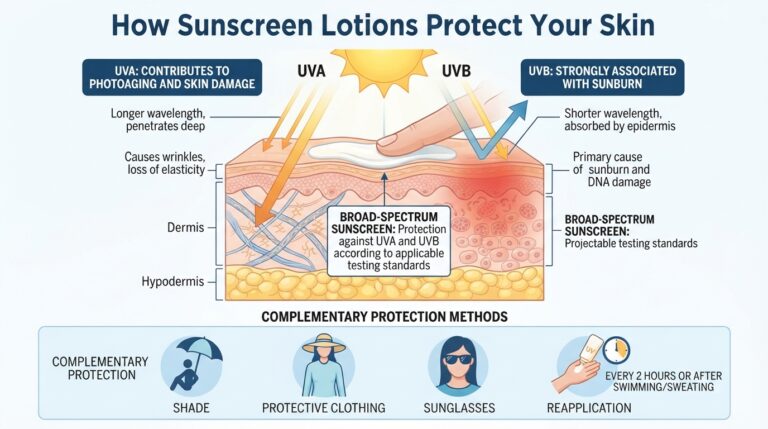
- UV Radiation Types: There are two main types of UV rays that affect your skin: UVA and UVB. UVA rays penetrate deeply and can cause aging, while UVB rays are responsible for sunburn and play a significant role in tanning.
- Melanin Production: When exposed to UV radiation, skin cells called melanocytes increase melanin production, resulting in a darker skin tone.
- Skin Protection: Increased melanin provides some protection against further UV exposure, but it’s not enough to prevent skin damage or the risk of skin cancer.
Understanding Sunscreen
Sunscreen is a crucial element in protecting your skin from harmful UV rays. But how does it affect tanning? Let’s break it down.
How Sunscreen Works
Sunscreen contains active ingredients that either absorb or reflect UV radiation. The effectiveness of a sunscreen is often indicated by its Sun Protection Factor (SPF), which measures its ability to block UVB rays.
Types of Sunscreen
There are two main types of sunscreen:
- Chemical Sunscreen: These contain organic compounds that absorb UV radiation. They often offer a lightweight feel and are less visible on the skin.
- Physical (Mineral) Sunscreen: These contain mineral-based ingredients like zinc oxide or titanium dioxide that sit on the skin’s surface and reflect UV rays. They can be less irritating for sensitive skin.
Can You Tan While Wearing Sunscreen?
The answer to whether you can get a tan with sunscreen is nuanced. While sunscreen significantly reduces the intensity of UV radiation that reaches your skin, it does not completely block it. Here are some important considerations:
SPF and Tanning
Choosing the right SPF is essential. Here’s how SPF works in relation to tanning:
| SPF Level | UVB Protection | Time to Burn |
|---|---|---|
| 15 | 93% | 15 times longer |
| 30 | 97% | 30 times longer |
| 50 | 98% | 50 times longer |
As you can see, higher SPF levels provide increased protection, but even SPF 50 allows a small percentage of UVB rays to penetrate the skin, which can still lead to tanning.
Application and Reapplication
To maximize effectiveness, proper application and reapplication of sunscreen are crucial:
- Apply Generously: Use enough sunscreen to cover all exposed skin. A minimum of one ounce (about a shot glass) is recommended for full-body coverage.
- Reapply Regularly: Reapply every two hours, or more frequently if swimming or sweating.
- Use Water-Resistant Options: If you plan to swim or participate in water activities, choose a water-resistant sunscreen.
Factors Influencing Tanning with Sunscreen
Several factors can influence whether you tan while using sunscreen:
Skin Type
Your natural skin type plays a significant role in how much you tan:
- Fair Skin: People with fair skin may burn more easily and tan less, even with sunscreen.
- Medium Skin: Those with medium skin tones often tan more effectively, but still need protection against UV damage.
- Dark Skin: While darker skin contains more melanin and offers some natural protection, it is still susceptible to UV damage.
Duration and Time of Day
The amount of time you spend in the sun and the time of day can affect tanning:
- Midday Sun: UV rays are strongest between 10 a.m. and 4 p.m., leading to quicker tanning and higher risks of burning.
- Duration of Exposure: Shorter, controlled sun exposure with sunscreen can lead to a gradual tan without excessive burning.
Benefits of Using Sunscreen
Despite the common misconception that sunscreen prevents tanning, there are numerous benefits to using it:
Protects Against Skin Damage
Regular use of sunscreen helps protect against:
- Sunburns
- Premature aging, such as wrinkles and sunspots
- Skin cancer, including melanoma
Maintains Even Skin Tone
Using sunscreen can help maintain an even skin tone and prevent hyperpigmentation, which can result from uneven tanning.
Alternative Tanning Methods
If you’re looking for a tan without the risks associated with sun exposure, consider these alternatives:
Self-Tanners
Self-tanners are products that contain dihydroxyacetone (DHA), which reacts with skin cells to create a tanned appearance without sun exposure. This method allows you to achieve a bronzed look while avoiding UV damage.
Spray Tans
Professional spray tans provide an even, natural-looking tan. They are a popular choice for those looking to enhance their complexion without risking sunburn or long-term skin damage.
Conclusion
In conclusion, the question of whether you can get a tan with sunscreen is multifaceted. While sunscreen certainly reduces the amount of UV radiation that reaches your skin, it doesn’t completely prevent tanning. Understanding how to properly use sunscreen, along with being aware of your skin type and the time of day, can help you enjoy the sun safely. Always prioritize skin protection to minimize the risks associated with UV exposure, and consider alternative tanning methods if you’re seeking a sun-kissed glow without the dangers of sunbathing. Remember, healthy skin is beautiful skin!