
When it comes to skincare, one question often arises: do you put sunscreen or moisturizer on first? Understanding the correct order of application can make a significant difference in how effective your skincare routine is. In this article, we will delve into the science behind skincare layering, why it matters, and how to ensure you’re getting the most out of your products.
The Importance of Skincare Layering
Skincare layering is not just about aesthetics; it’s about maximizing the benefits of each product. Applying your products in the correct order can enhance absorption, effectiveness, and overall skin health.
Why Order Matters
The order in which you apply your skincare products can affect how well they perform. When products are layered improperly, some may not penetrate the skin as they should, leading to wasted product and less effective results. Additionally, certain ingredients can interact negatively with one another, potentially causing irritation or reducing efficacy.
Understanding the Role of Each Product
Before we dive into the specifics of application order, it’s crucial to understand what each product does:
- Moisturizer: A moisturizer hydrates the skin, locking in moisture and preventing water loss. It typically contains emollients, humectants, and occlusives.
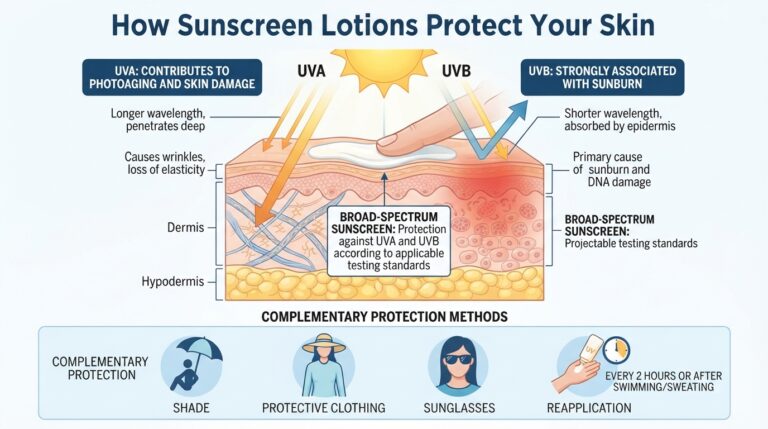
- Sunscreen: Sunscreen protects the skin from harmful UV rays, which can lead to premature aging, sunburn, and skin cancer. It works by either absorbing or reflecting UV radiation.
Do You Put Sunscreen or Moisturizer On First?
The consensus among skincare experts is that you should apply moisturizer before sunscreen. Here’s why:
1. Moisturizer Hydrates the Skin
Applying moisturizer first helps hydrate your skin, creating a plump canvas. This hydration can enhance the effectiveness of sunscreen by providing a barrier that allows for better absorption.
2. Sunscreen Acts as a Barrier
Sunscreen is designed to sit on top of the skin to protect it from UV rays. If you apply sunscreen first, it may form a barrier that prevents your moisturizer from penetrating effectively.
3. Layering Helps Product Absorption
Applying moisturizer first allows your skin to absorb those hydrating ingredients, while sunscreen can then be applied on top to seal in that moisture.
Steps to Apply Moisturizer and Sunscreen Correctly
Now that we’ve established that moisturizer goes on first, let’s look at a step-by-step guide for applying your skincare products:
- Cleanse: Start with a clean face to remove dirt and impurities.
- Apply Toner (if using): A toner can help prep your skin for the next steps by balancing pH and adding a layer of hydration.
- Moisturizer: Apply a pea-sized amount of your favorite moisturizer, gently massaging it into your skin.
- Sunscreen: After the moisturizer has absorbed, apply broad-spectrum sunscreen generously, using about a nickel-sized amount for your face.
Tips for Choosing the Right Products
Not all moisturizers and sunscreens are created equal. Here are some tips for selecting the best products for your skin type:
Choosing a Moisturizer
- For Oily Skin: Look for oil-free, lightweight gels or lotions.
- For Dry Skin: Opt for richer creams that contain ingredients like hyaluronic acid or glycerin.
- For Sensitive Skin: Choose fragrance-free, hypoallergenic moisturizers to minimize irritation.
Choosing a Sunscreen
- Broad-Spectrum Protection: Always choose a sunscreen that offers broad-spectrum protection against both UVA and UVB rays.
- SPF Rating: Select a sunscreen with an SPF of at least 30 for daily wear.
- Skin Type Considerations: For oily skin, consider gel-based sunscreens; for dry skin, look for moisturizing formulas with added skin-care benefits.
Common Myths About Sunscreen and Moisturizer
There are many misconceptions surrounding sunscreen and moisturizer that can lead to improper usage. Let’s debunk some of the most common myths:
| Myth | Truth |
|---|---|
| Moisturizers with SPF are enough for sun protection. | Moisturizers with SPF may not provide adequate protection; always use a dedicated sunscreen. |
| UV rays can penetrate clouds and windows; sunscreen should be worn daily. | |
| Once applied, sunscreen lasts all day without reapplication. | Sunscreen needs to be reapplied every two hours, or more often if sweating or swimming. |
Frequently Asked Questions
Can I skip moisturizer if I have oily skin?
Even if you have oily skin, it’s essential to use a lightweight moisturizer. Skipping moisturizer can lead to dehydration, which may cause your skin to produce even more oil.
How do I layer other skincare products with sunscreen and moisturizer?
In general, the order of application is:
- Cleanser
- Toner (if using)
- Serums (antioxidants, retinol, etc.)
- Moisturizer
- Sunscreen
Is it necessary to use a separate sunscreen if my makeup has SPF?
While makeup with SPF offers some protection, it’s best to use a dedicated sunscreen to ensure adequate coverage and protection.
Conclusion
So, do you put sunscreen or moisturizer on first? The answer is clear: always apply moisturizer first, followed by sunscreen. This order maximizes the effectiveness of both products, ensuring your skin remains hydrated and protected from harmful UV rays. By understanding the science behind skincare layering and following the steps outlined in this guide, you can enhance your skincare routine and maintain healthy, glowing skin.
Remember, consistency is key. Make sunscreen a non-negotiable part of your daily routine, regardless of the weather or season. Your future self will thank you!