
As summer approaches, many of us look forward to basking in the sun, but a common question arises: do you get tan with sunscreen? The answer is not as straightforward as you might think. While sunscreen is designed to protect your skin from harmful ultraviolet (UV) rays, it doesn’t completely block them. This article will delve into how sunscreen works, its effectiveness, and tips to achieve a balanced tan while keeping your skin healthy.
How Sunscreen Works to Protect Your Skin
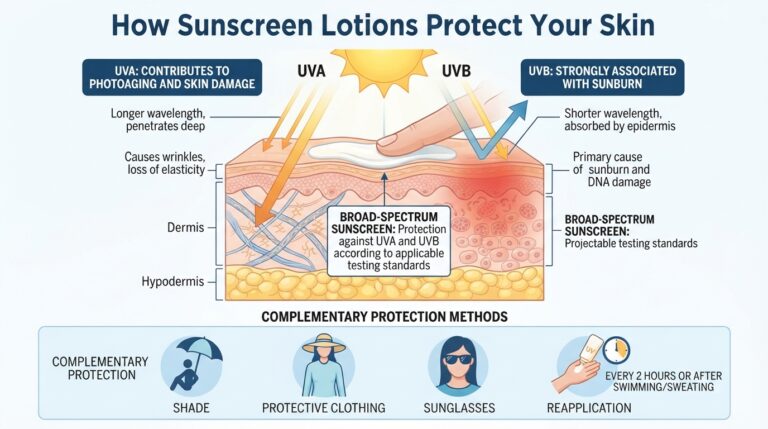
To understand whether you can tan while using sunscreen, it’s essential to grasp the mechanics of how sunscreen functions. Sunscreens contain active ingredients that either absorb or reflect UV radiation, thereby shielding your skin from potential damage. The two primary types of UV rays to be aware of are:
- UVA Rays: These penetrate deep into the skin and are primarily responsible for premature aging and tanning.
- UVB Rays: These rays are responsible for causing sunburn and are a significant factor in the development of skin cancer.
Sunscreens are rated by their Sun Protection Factor (SPF), which indicates the level of protection they offer against UVB rays. For example, an SPF of 30 means you can theoretically stay in the sun 30 times longer without burning than if you were not wearing sunscreen. However, this rating does not account for UVA protection, which is equally important.
Can You Still Tan While Wearing Sunscreen?
The short answer is yes, you can still get a tan while wearing sunscreen. However, the degree to which you tan depends on several factors, including:
1. The SPF Level
The higher the SPF, the more effective the sunscreen is at blocking UVB rays. Yet, no sunscreen can provide 100% protection. For example:
| SPF Level | UVB Protection Percentage |
|---|---|
| 15 | 93% |
| 30 | 97% |
| 50 | 98% |
This table illustrates that even at SPF 50, some UVB rays can still penetrate the skin, allowing for potential tanning.
2. The Type of Sunscreen
There are two main categories of sunscreen: chemical and physical (or mineral). Each works differently:
- Chemical Sunscreens: These absorb UV radiation and convert it into heat, which the skin then releases. They often provide a lighter feel but may not offer as broad protection against UVA rays.
- Physical Sunscreens: These contain active mineral ingredients like zinc oxide or titanium dioxide that sit on the skin’s surface and reflect UV rays. They typically provide broad-spectrum protection.
Choosing the right sunscreen can significantly affect how much you tan while still being protected.
3. Application Techniques
How you apply sunscreen also plays a crucial role in its effectiveness. Here are some tips for proper application:
- Apply sunscreen generously: Use about one ounce (a shot glass full) for full-body coverage.
- Reapply every two hours: More often if swimming or sweating.
- Apply 15-30 minutes before sun exposure: This allows the sunscreen to absorb and start working effectively.
Improper application can lead to uneven coverage and reduced effectiveness, which may result in increased tanning.
Factors Influencing Tanning While Wearing Sunscreen
Besides the SPF and application techniques, several other factors can influence your tanning experience:
1. Skin Type
Your natural skin type can determine how much you tan. People with fair skin typically tan less than those with darker skin tones. Skin types can be categorized as follows:
- Type I: Very fair, burns easily, never tans.
- Type II: Fair, burns easily, tans minimally.
- Type III: Medium, burns moderately, tans gradually.
- Type IV: Olive, rarely burns, tans easily.
- Type V: Brown, very rarely burns, tans easily.
- Type VI: Dark brown or black, never burns, tans very easily.
Knowing your skin type can help you choose the right sunscreens and determine how much sun exposure you should have.
2. Duration and Time of Exposure
How long you stay in the sun also affects your tanning potential. The sun’s rays are strongest between 10 a.m. and 4 p.m. If you choose to sunbathe during these hours, even with sunscreen, you may find yourself tanning more quickly. Consider these tips:
- Limit exposure: Start with short intervals and gradually increase as your skin adjusts.
- Seek shade: Take breaks in the shade to reduce overall sun exposure.
Benefits of Tanning vs. Risks of UV Exposure
While many people enjoy the look of a tan, it’s essential to weigh the benefits against the risks associated with UV exposure. Tanning can provide a temporary glow and may be seen as aesthetically pleasing, but it comes with significant risks, including:
- Increased risk of skin cancer: Both melanoma and non-melanoma skin cancers are linked to UV exposure.
- Premature aging: UV rays can lead to wrinkles, fine lines, and leather-like skin.
- Sunburn: Overexposure can cause painful sunburns, which may lead to peeling and long-term skin damage.
Tips for Safe Sun Exposure
To enjoy a safe tanning experience while minimizing risks, consider the following tips:
1. Choose the Right Sunscreen
Select a broad-spectrum sunscreen with at least SPF 30 that protects against both UVA and UVB rays. Look for physical sunscreens for better protection and less irritation for sensitive skin.
2. Monitor Sun Exposure
Keep track of how long you’re in the sun, and don’t exceed recommended limits based on your skin type. Use a timer or set reminders to help you remember to reapply sunscreen.
3. Stay Hydrated
Drink plenty of water to keep your skin hydrated. Well-hydrated skin is less likely to burn and more likely to maintain a healthy glow.
4. Consider Self-Tanners
If achieving a tan is important to you, consider using self-tanning products or bronzers. These products provide color without the harmful effects of UV exposure.
Conclusion: The Balance Between Tanning and Protection
In summary, do you get tan with sunscreen? Yes, you can still tan while wearing sunscreen, but it’s essential to choose the right products and apply them correctly. Understanding your skin type, the SPF of your sunscreen, and how to manage your sun exposure can help you achieve a tan while minimizing the risks associated with UV radiation. Remember, protecting your skin should always be a priority. Enjoy the sun responsibly!