
When it comes to skincare, one of the most common questions is, do you put on sunscreen before or after moisturizer? Understanding the correct order of applying these products is crucial for achieving healthy, protected skin. In this guide, we will explore the importance of both sunscreen and moisturizer, how they interact, and the best practices to follow for optimal skin care.
The Importance of Sunscreen in Your Skincare Routine
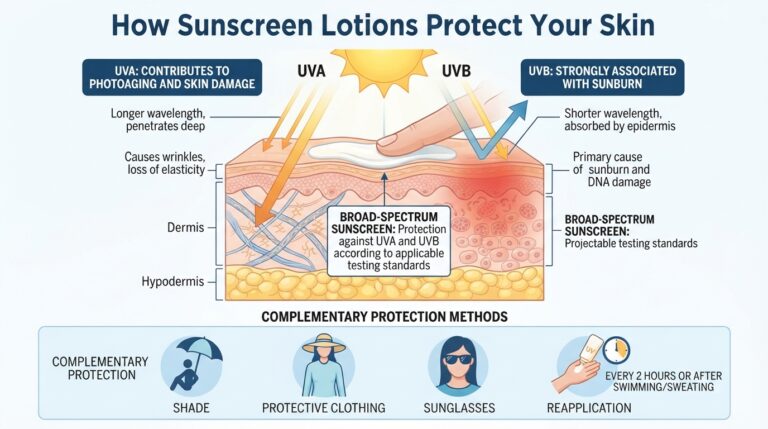
Sunscreen is a non-negotiable part of any skincare regimen. It protects your skin from the harmful effects of UV radiation, which can lead to premature aging, sunburn, and even skin cancer. Here are some compelling reasons to prioritize sunscreen:
- Prevents Skin Damage: UV rays can damage the skin’s DNA, leading to various skin issues.
- Reduces the Risk of Skin Cancer: Regular use of sunscreen can significantly lower the risk of developing skin cancer.
- Slows Down Aging: Sunscreen helps to prevent fine lines, wrinkles, and age spots caused by sun exposure.
Why Moisturizer is Essential
Moisturizers are equally vital in your skincare routine. They hydrate the skin, helping to maintain its barrier and prevent dryness. Here are some benefits of using a moisturizer:
- Hydration: Moisturizers lock in moisture, keeping your skin soft and supple.
- Improves Skin Texture: A good moisturizer can enhance the overall appearance of your skin.
- Supports Skin Barrier: Moisturizers help protect the skin from environmental stressors.
The Correct Order: Sunscreen Before or After Moisturizer?
Now that we understand the importance of both products, let’s address the core question: do you put on sunscreen before or after moisturizer? The answer is straightforward: apply moisturizer first, then sunscreen. Here’s why:
How Sunscreen Works
Sunscreens are designed to form a protective layer on the skin that absorbs or reflects UV radiation. If you apply sunscreen directly onto dry skin, it may not adhere properly, reducing its effectiveness.
The Role of Moisturizer
Moisturizers create a hydrating layer that improves the skin’s texture and overall health. When applied before sunscreen, they provide a smooth base for sunscreen to sit on. This combination not only enhances absorption but also ensures that your skin remains hydrated throughout the day.
How to Layer Your Skincare Products
To maximize the benefits of both sunscreen and moisturizer, follow these simple steps:
- Cleanse: Start with a gentle cleanser to remove impurities.
- Tone: Use a toner to prepare your skin and balance its pH.
- Moisturize: Apply your moisturizer to hydrate and nourish the skin.
- Sunscreen: Finish with a broad-spectrum sunscreen to protect against UV rays.
Choosing the Right Products
Not all sunscreens and moisturizers are created equal. Here are some tips for selecting the right products:
For Sunscreen
- SPF Rating: Choose a broad-spectrum sunscreen with SPF 30 or higher.
- Water Resistance: If you plan to be active, opt for water-resistant formulas.
- Skin Type: Select a sunscreen that suits your skin type (oily, dry, sensitive).
For Moisturizer
- Ingredients: Look for moisturizers with hyaluronic acid, glycerin, or ceramides.
- Skin Concerns: Choose a texture that addresses your specific skin concerns (gel for oily skin, cream for dry skin).
- Non-Comedogenic: If you have acne-prone skin, select non-comedogenic products to avoid clogged pores.
Common Misconceptions about Sunscreen and Moisturizer
With so much information available, it’s easy to fall victim to myths about sunscreen and moisturizer. Here are a few common misconceptions:
Myth 1: You Don’t Need Sunscreen on Cloudy Days
Many people believe that UV rays are only harmful on sunny days. In reality, up to 80% of UV rays can penetrate clouds, so sunscreen is necessary regardless of the weather.
Myth 2: Moisturizer with SPF is Enough
While moisturizers with SPF provide some level of protection, they often don’t contain enough to be effective. It’s best to use a separate sunscreen for comprehensive protection.
Myth 3: Sunscreen is Only for Summer
UV exposure occurs year-round, so it’s crucial to apply sunscreen daily, even in winter.
Expert Tips for Sunscreen Application
To ensure that your sunscreen is as effective as possible, consider these expert tips:
- Apply Generously: Use about a nickel-sized amount for your face and a shot glass full for your body.
- Reapply: Reapply every two hours, or immediately after swimming or sweating.
- Don’t Forget Areas: Be sure to cover often-missed areas like the ears, neck, and tops of your feet.
- Makeup-Friendly Options: Look for powder or spray sunscreens that can be applied over makeup.
Conclusion
In summary, the correct order of applying sunscreen and moisturizer is to put on moisturizer before sunscreen. This approach maximizes the benefits of both products and ensures your skin remains hydrated and protected. Whether you’re spending a day at the beach or running errands, never skip your sunscreen, and always choose quality products that suit your skin’s needs. By following these guidelines, you can enjoy healthier, more radiant skin while effectively protecting it from sun damage.