
As the sun shines brighter and summer approaches, many people start thinking about sun protection. This leads to the question: does olive oil work as sunscreen? While olive oil is renowned for its health benefits and culinary uses, its effectiveness as a sunscreen is a topic worthy of exploration.
The Basics of Sunscreen
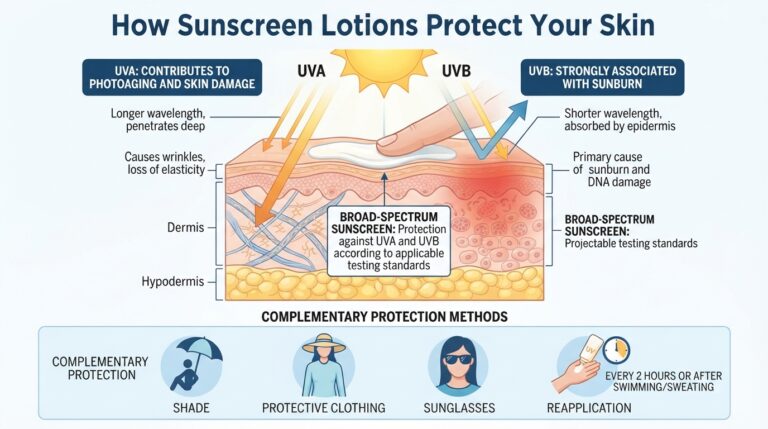
To understand whether olive oil can be an effective sunscreen, it’s essential to grasp the fundamentals of how sunscreen works. Sunscreens are formulated to protect your skin from the harmful effects of ultraviolet (UV) radiation, which can lead to sunburn, skin aging, and even skin cancer. They achieve this through two primary mechanisms:
- Physical (Mineral) Sunscreens: These contain active mineral ingredients like zinc oxide or titanium dioxide that sit on the skin’s surface and reflect UV rays.
- Chemical Sunscreens: These absorb UV radiation through their chemical ingredients, converting it into heat, which is then released from the skin.
Understanding Olive Oil’s Properties
Olive oil is a natural oil derived from the fruit of the olive tree. It is packed with antioxidants, vitamins, and healthy fats, making it a staple in many diets. Here’s a closer look at its properties:
- Antioxidants: Olive oil contains antioxidants like vitamin E and polyphenols, which can help combat oxidative stress on the skin.
- Moisturizing Effect: Its emollient properties allow it to hydrate and nourish the skin, making it feel soft and smooth.
- Anti-inflammatory Properties: Olive oil may help reduce skin inflammation and irritation due to its natural compounds.
Does Olive Oil Provide Sun Protection?
While olive oil has many beneficial properties, its ability to protect the skin from UV radiation is limited. Studies suggest that olive oil has a very low Sun Protection Factor (SPF), typically ranging between 2 and 8. This means that while it may offer some minimal protection, it is far from sufficient for long-term sun exposure.
Comparing Olive Oil to Traditional Sunscreens
To put this into perspective, consider the following:
| Product Type | Typical SPF | UV Protection |
|---|---|---|
| Olive Oil | 2 – 8 | Minimal |
| Chemical Sunscreens | 15 – 50+ | High |
| Physical Sunscreens | 15 – 50+ | High |
As the table illustrates, traditional sunscreens provide significantly higher levels of UV protection than olive oil. Relying on olive oil alone for sunburn prevention may expose your skin to harmful UV rays.
Potential Risks of Using Olive Oil as Sunscreen
Using olive oil on your skin can be tempting due to its nourishing properties, but there are potential risks associated with this practice:
- Increased Sun Sensitivity: While olive oil can provide some moisture, it does not protect against UV rays, potentially increasing the risk of sunburn.
- Clogged Pores: For some individuals, applying olive oil may lead to clogged pores, resulting in breakouts or acne, especially for oily skin types.
- Allergic Reactions: Some people may be allergic to olive oil, leading to skin irritation or allergic reactions, particularly when exposed to the sun.
Alternative Natural Oils with Sun Protection Properties
If you are looking for natural alternatives that provide some level of sun protection, consider the following oils:
- Carrot Seed Oil: Known for its natural SPF of around 38-40, this oil has antibacterial properties and is often used in natural sunscreen formulations.
- Raspberry Seed Oil: This oil boasts a potential SPF of 28-50 and is rich in antioxidants, making it a popular choice for skin protection.
- Wheat Germ Oil: Contains vitamin E and has an SPF of about 20, providing a more effective option than olive oil.
How to Use Olive Oil Safely
If you love the benefits of olive oil and want to incorporate it into your skincare routine without compromising sun safety, consider the following guidelines:
- Use as a Moisturizer: Apply olive oil after sun exposure to hydrate and soothe your skin.
- Combine with Sunscreen: If you enjoy the feel of olive oil, mix a few drops into your sunscreen for added hydration.
- Limit Sun Exposure: Always seek shade, wear protective clothing, and apply a broad-spectrum sunscreen with an SPF of 30 or higher.
Conclusion: The Bottom Line
In conclusion, while olive oil offers numerous health benefits and can be a great addition to your skincare routine, it is not an effective sunscreen. With a low SPF and minimal UV protection, relying solely on olive oil for sun safety is not advisable. For adequate protection against the sun’s harmful rays, it’s best to use broad-spectrum sunscreens that are specifically designed for that purpose. By combining traditional sun protection methods with the nourishing effects of olive oil, you can enjoy the best of both worlds—healthy skin and effective sun protection.
Further Considerations
As you make your sun protection choices, keep in mind the following tips to ensure your skin stays healthy:
- Regularly Reapply Sunscreen: Reapply every two hours and after swimming or sweating.
- Use Sunscreen Year-Round: UV rays can damage your skin even on cloudy days or during winter.
- Stay Informed: Pay attention to UV index reports to assess the risk of sun exposure in your area.