
Accidentally getting sunscreen in your eye can be an uncomfortable experience. Many people wonder, “Sunscreen in eye, how long does it last?” Understanding the duration and effects of sunscreen in the eye is essential for effective treatment and prevention. In this article, we will explore the reasons why sunscreen ends up in the eye, its effects, and how long you can expect to feel discomfort.
Understanding Sunscreen and Its Ingredients
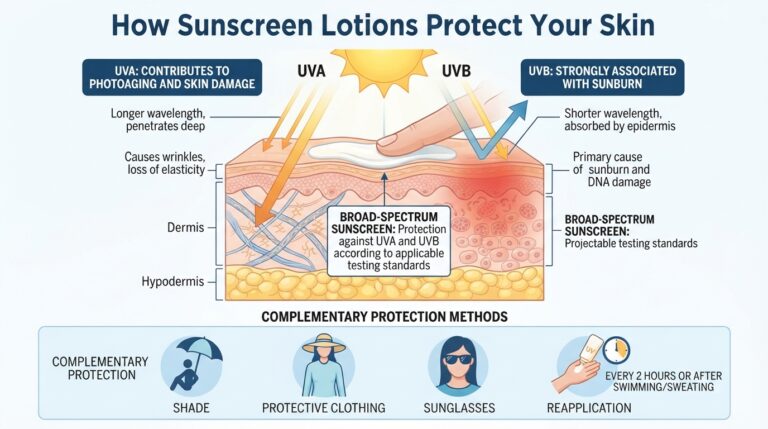
Sunscreen is designed to protect your skin from harmful UV rays, but the ingredients that make it effective can sometimes cause problems when they come into contact with your eyes. Most sunscreens contain chemical filters or physical blockers, which can lead to irritation if they enter the eye.
Common Ingredients in Sunscreen
To understand the potential effects of sunscreen in the eye, it’s helpful to know the common ingredients found in these products:
- Chemical Filters: Ingredients like avobenzone, octisalate, and octocrylene absorb UV radiation.
- Physical Blockers: Zinc oxide and titanium dioxide work by sitting on the skin’s surface and reflecting UV rays.
- Emollients and Preservatives: These can enhance the texture of sunscreen but may also contribute to irritation if they enter the eye.
Why Does Sunscreen Get in Your Eyes?
There are several ways sunscreen can accidentally get into your eyes:
- Applying sunscreen with your hands and inadvertently transferring it to your face.
- Using spray sunscreens that can mist into your eyes.
- Wearing sunscreen while swimming, where water can wash it into the eyes.
The Immediate Effects of Sunscreen in the Eye
When sunscreen gets into your eye, the immediate reaction can vary based on the ingredients and the amount that has entered. Generally, you might experience:
- Burning or stinging sensation.
- Redness and irritation of the eye.
- Watery eyes as the body attempts to flush out the irritant.
Severity of Symptoms
The severity of symptoms can depend on various factors:
- The type of sunscreen used.
- The amount of product that has entered the eye.
- Individual sensitivity to certain ingredients.
How Long Does Discomfort Last?
After sunscreen has entered your eye, the discomfort can last anywhere from a few minutes to several hours. Here’s a breakdown based on personal experiences and expert opinions:
Short-Term Discomfort
In most cases, the burning and stinging sensation will subside within:
- 5 to 15 minutes: Mild irritation caused by a small amount of sunscreen.
- 30 minutes to 1 hour: Moderate irritation from a larger amount or more irritating ingredients.
Long-Term Effects
In rare cases, prolonged discomfort may result from:
- Corneal abrasions or damage caused by harsh chemicals.
- Allergic reactions to specific ingredients.
If symptoms persist beyond a few hours or worsen, it’s crucial to seek medical attention.
Immediate Steps to Take if Sunscreen Gets in Your Eye
If you find yourself with sunscreen in your eye, follow these steps to minimize discomfort:
- Rinse Immediately: Flush your eye with clean, lukewarm water for at least 15 minutes.
- Avoid Rubbing: Rubbing can exacerbate irritation or cause scratches on the cornea.
- Remove Contact Lenses: If you wear contacts, take them out immediately.
- Use Eye Wash: If available, use a sterile eye wash solution to rinse the eye.
- Seek Medical Help: If symptoms persist, consult an eye care professional.
Preventing Sunscreen from Getting in Your Eyes
Prevention is often the best approach. Here are some tips to help you avoid getting sunscreen in your eyes:
- Apply sunscreen carefully, avoiding the eye area.
- Use a spray or stick formulation that is designed to minimize running or dripping.
- Wait for sunscreen to dry before swimming or sweating.
- Consider wearing sunglasses or a wide-brimmed hat to shield your eyes from both the sun and sunscreen.
Choosing the Right Sunscreen
When selecting sunscreen, consider products labeled as “water-resistant” and “sensitive skin” options, which are often formulated to be less irritating. Additionally, look for:
- Broad-Spectrum Protection: Ensures protection against both UVA and UVB rays.
- SPF 30 or Higher: Provides adequate protection for most skin types.
- Hypoallergenic Formulations: Designed to reduce the risk of allergic reactions.
Conclusion
Understanding the question, “Sunscreen in eye, how long does it last?” involves recognizing the immediate effects and responses from your body. While discomfort typically subsides within a short period, taking immediate action can help alleviate irritation. By following preventive measures and choosing the right products, you can enjoy sun protection without compromising your eye health. If discomfort persists, don’t hesitate to consult a healthcare professional. Your eyes deserve the best care, just like your skin.