
As summer approaches, many of us stock up on sunscreen to protect our skin from harmful UV rays. However, a common question arises: does sunscreen expire? Understanding the expiration date and shelf life of sunscreen is crucial for ensuring effective sun protection.
The Importance of Sunscreen
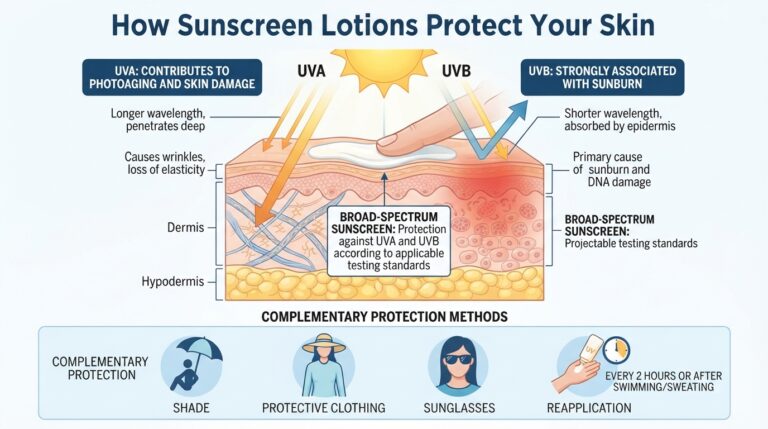
Sunscreen plays a vital role in protecting our skin from ultraviolet (UV) radiation, which can lead to skin damage, premature aging, and even skin cancer. The American Academy of Dermatology emphasizes the need for daily sun protection, regardless of the season.
Using sunscreen is not just a summer activity; it is essential year-round. However, its effectiveness can diminish over time, making it necessary to understand its expiration.
Understanding Sunscreen Expiration
Most sunscreens come with an expiration date printed on the bottle. This date indicates the period during which the product is guaranteed to remain effective. After this date, the active ingredients may break down, reducing the product’s ability to protect your skin.
How Long Does Sunscreen Last?
The shelf life of sunscreen typically ranges from three to five years, depending on the formulation and storage conditions. Here are some key points to consider:
- Most manufacturers recommend using sunscreen within three years of purchase.
- Products stored in ideal conditions (cool, dry places) tend to last longer.
- Exposure to heat, humidity, or direct sunlight can shorten the lifespan of sunscreen.
What Happens When Sunscreen Expires?
When sunscreen expires, several things can occur:
- The active ingredients may break down, reducing their effectiveness.
- The product may change in texture, color, or smell, indicating it is no longer suitable for use.
- Using expired sunscreen can lead to sunburn or skin damage, as it may not provide adequate protection.
How to Determine if Your Sunscreen is Still Effective
It’s essential to check your sunscreen for signs of expiration before applying it. Here are some practical tips to determine if your sunscreen is still effective:
Check the Expiration Date
The first step is to look for the expiration date on the packaging. If it has passed, it’s time to replace the product. Many brands use a symbol that indicates the period after opening (PAO) alongside the expiration date.
Inspect the Packaging
Examine the sunscreen bottle for any visible damage or leaks. If the packaging is compromised, it may affect the product’s safety and effectiveness.
Examine the Texture and Color
Expired sunscreen may separate, become chunky, or develop an unusual color. If you notice any changes in texture or color, it’s best to discard the product.
Smell Test
Fresh sunscreen typically has a pleasant scent. If your sunscreen smells off or rancid, it’s a clear sign that it has expired.
Types of Sunscreen and Their Shelf Lives
Different types of sunscreen formulations may have varying shelf lives. Here’s a breakdown:
| Sunscreen Type | Typical Shelf Life |
|---|---|
| Chemical Sunscreen | 3 years |
| Physical (Mineral) Sunscreen | 3-5 years |
| Water-Resistant Sunscreen | 3 years |
| Sunscreen Spray | 2-3 years |
Best Practices for Sunscreen Storage
To maximize the shelf life of your sunscreen, consider the following storage tips:
- Store sunscreen in a cool, dry place away from direct sunlight.
- Avoid leaving sunscreen in hot environments, such as cars or near windows.
- Keep the cap tightly closed to prevent contamination.
Using Sunscreen Safely
In addition to using non-expired sunscreen, applying it properly is essential for effective protection.
How Much Sunscreen to Use
Most people do not apply enough sunscreen to achieve the advertised SPF protection. The general guideline is:
- Use about one ounce (a shot glass full) for full-body coverage.
- Apply sunscreen generously and evenly to all exposed skin.
Reapplication Guidelines
Reapplying sunscreen is crucial, especially during prolonged sun exposure. Here are some reapplication guidelines:
- Reapply every two hours, or immediately after swimming, sweating, or towel drying.
- If using a spray sunscreen, ensure an even coverage and avoid inhalation.
Common Myths About Sunscreen Expiration
Several myths surround sunscreen and its expiration. Let’s debunk some of the most prevalent misconceptions:
Myth 1: Sunscreen Can Last Indefinitely
Some people believe that sunscreen never goes bad. In reality, most sunscreens have a shelf life and can lose effectiveness over time.
Myth 2: Expired Sunscreen is Safe to Use
Using expired sunscreen can lead to sunburn and skin damage, as its protective properties diminish. It’s better to be safe and use fresh products.
Myth 3: SPF Rating Remains Constant Over Time
The SPF rating may not hold true for expired sunscreens. Once the active ingredients degrade, the SPF protection can decrease significantly.
Conclusion
In summary, understanding whether sunscreen expires is vital for maintaining effective sun protection. Always check the expiration date, inspect the product for changes, and follow proper storage guidelines to ensure you are protected from harmful UV rays. Remember, your skin’s health is worth the investment in quality sunscreen. Replace your sunscreen regularly and apply it diligently to keep your skin safe and healthy.