
When it comes to skincare, many people often wonder, does sunscreen come before or after moisturizer? This question is not just a matter of preference; it’s crucial for maximizing the effectiveness of both products. In this comprehensive guide, we will explore the proper order for applying these essential skincare items, delve into the science behind them, and provide tips for achieving the best results for your skin.
The Importance of Sunscreen and Moisturizer
Both sunscreen and moisturizer play vital roles in maintaining healthy skin. Understanding their functions will help clarify why the order of application matters.
Why Moisturizer is Essential
Moisturizers are designed to hydrate the skin, preventing dryness and improving texture. They can also help maintain the skin’s natural barrier function. Here are some key benefits of using a moisturizer:
- Hydration: Moisturizers attract and retain moisture in the skin.
- Barrier Repair: They strengthen the skin’s natural barrier against environmental irritants.
- Smoothness: Regular use can improve skin texture and reduce the appearance of fine lines.
The Role of Sunscreen
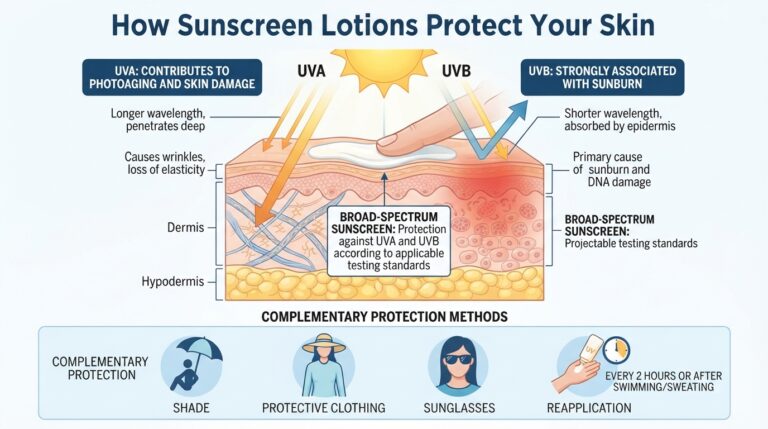
Sunscreen is essential for protecting the skin from harmful UV rays, which can cause premature aging and increase the risk of skin cancer. Here are some critical reasons to use sunscreen:
- UV Protection: Sunscreen shields skin from UVA and UVB rays.
- Prevents Aging: It helps reduce the risk of wrinkles and sunspots.
- Reduces Cancer Risk: Regular use lowers the chances of developing skin cancer.
Proper Order of Application
Now that we understand the importance of both products, let’s answer the pivotal question: does sunscreen come before or after moisturizer? The answer is clear: sunscreen should always be applied after moisturizer. Here’s why:
Why Sunscreen Goes Last
Applying sunscreen as the final step in your skincare routine ensures it forms an effective barrier against UV rays. If you apply sunscreen before moisturizer, the moisturizer can dilute or disrupt the sunscreen’s protective layer, reducing its effectiveness. Here’s a simple breakdown of the skincare routine:
- Cleanser: Start by cleansing your skin to remove dirt and impurities.
- Moisturizer: Apply your moisturizer to hydrate and prepare your skin.
- Sunscreen: Finish with sunscreen to protect against UV damage.
Tips for Effective Sunscreen Application
To ensure that your sunscreen is effective, consider the following tips:
Choose the Right Sunscreen
Select a broad-spectrum sunscreen with an SPF of at least 30. Broad-spectrum means it protects against both UVA and UVB rays. Here are some types to consider:
- Physical (Mineral) Sunscreens: Contain zinc oxide or titanium dioxide and work by reflecting UV rays.
- Chemical Sunscreens: Absorb UV radiation and often contain ingredients like avobenzone or octisalate.
Apply Generously
Most people don’t apply enough sunscreen. A general rule of thumb is to use about a nickel-sized amount for your face. For your body, you’ll need about an ounce (the size of a shot glass) for full coverage.
Timing Matters
Apply sunscreen at least 15-30 minutes before sun exposure. This allows the ingredients to fully absorb and form a protective layer on your skin.
Reapplication is Key
Reapply sunscreen every two hours, or immediately after swimming or sweating. If you’re using makeup, consider a powder or spray sunscreen for easy reapplication throughout the day.
Combining Sunscreen with Other Products
If you use other skincare products, such as serums or treatments, where do they fit into the routine? Here’s a simple guideline:
Layering Skincare Products
When layering products, always apply from thinnest to thickest consistency:
- Cleanser
- Toner (if used)
- Serums or Treatments
- Moisturizer
- Sunscreen
Common Misconceptions about Sunscreen
There are several misconceptions surrounding sunscreen that can lead to improper usage:
Myth: Sunscreen is Only Necessary on Sunny Days
UV rays can penetrate through clouds and glass. It’s essential to wear sunscreen daily, regardless of the weather.
Myth: Higher SPF Means Better Protection
While higher SPF offers more protection, the difference is not as significant as many believe. SPF 30 blocks about 97% of UVB rays, while SPF 50 blocks about 98%. Consistent application is more important than just relying on a high SPF.
Myth: Sunscreen is Only for Summer
UV rays can cause damage all year round. Make sunscreen a part of your daily skincare routine, even in winter.
Conclusion
In conclusion, the correct order of applying skincare products is crucial for achieving healthy skin. Always apply moisturizer first and finish with sunscreen to ensure optimal protection and hydration. By understanding the science behind these products and following the recommended application guidelines, you can enjoy the full benefits of both sunscreen and moisturizer. Remember, daily sunscreen use is vital for long-term skin health, so make it a non-negotiable part of your routine.
Now that you know the answer to the question, does sunscreen come before or after moisturizer, it’s time to take action and enhance your skincare routine. Your skin will thank you!