
When it comes to skincare, the question of what comes first: sunscreen or moisturizer can be a source of confusion for many. Understanding the correct order to apply these products is essential for maximizing their benefits and ensuring your skin remains healthy and protected. In this comprehensive guide, we’ll explore the roles of both sunscreen and moisturizer, how they interact, and the best practices for applying them effectively.
The Importance of Sunscreen and Moisturizer
Before diving into the specifics of application order, it’s crucial to understand why both sunscreen and moisturizer are important for your skincare routine.
Why You Need Sunscreen
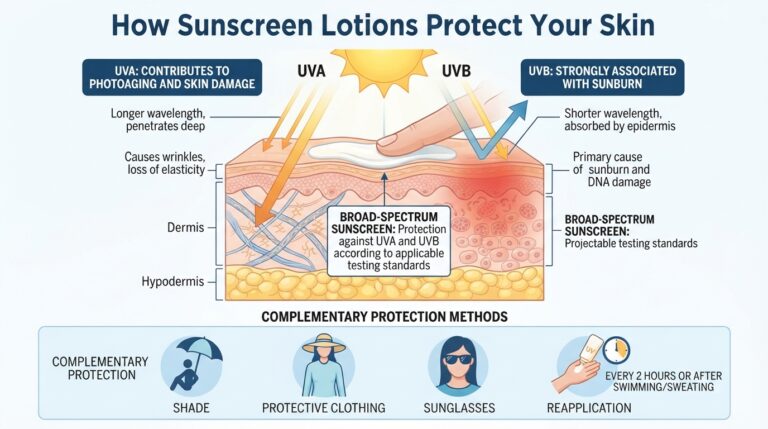
Sunscreen is a vital component of any skincare regimen. Its primary function is to protect your skin from harmful UV rays, which can lead to skin cancer, premature aging, and other skin issues. Here are some key points about sunscreen:
- Prevents Skin Damage: Regular use of sunscreen can reduce the risk of skin cancers and prevent sunburn.
- Reduces Premature Aging: Protecting your skin from UV radiation helps maintain its elasticity and prevents wrinkles.
- Even Skin Tone: Sunscreen can help prevent sunspots and discoloration.
Why You Need Moisturizer
Moisturizer plays a critical role in maintaining the skin’s hydration levels. Well-hydrated skin appears plumper and healthier. Here are some reasons to include moisturizer in your routine:
- Hydrates Skin: Moisturizers help to lock in hydration, preventing dryness and flakiness.
- Improves Skin Barrier: A good moisturizer supports the skin’s natural barrier, keeping irritants and pollutants at bay.
- Enhances Skin Texture: Regular use of moisturizer can lead to smoother and more even skin.
Understanding the Interaction Between Sunscreen and Moisturizer
Now that we recognize the importance of both products, let’s explore how they interact and why the order of application matters. The sequence in which you apply these products can affect their effectiveness.
How Sunscreen Works
Sunscreen works by either absorbing or reflecting UV rays. For it to perform optimally, it needs to be applied directly onto clean skin. If you layer it over moisturizer, it may not adhere properly, potentially reducing its efficacy.
How Moisturizer Works
Moisturizer, on the other hand, typically contains ingredients like humectants, emollients, and occlusives that work together to hydrate the skin. Applying moisturizer first creates a barrier that might hinder the absorption of sunscreen if it’s not allowed to settle properly.
What Comes First: Sunscreen or Moisturizer?
So, what comes first: sunscreen or moisturizer? The general consensus among dermatologists and skincare experts is that you should apply moisturizer first, followed by sunscreen. This order ensures that your skin is hydrated and that the sunscreen can form an effective barrier against UV rays.
Step-by-Step Application
Here’s a simple step-by-step guide to applying moisturizer and sunscreen correctly:
- Cleanse: Start with a clean face to remove any dirt, oil, or makeup.
- Apply Moisturizer: Use a suitable moisturizer for your skin type. Allow it to absorb for a few minutes.
- Apply Sunscreen: Choose a broad-spectrum sunscreen with at least SPF 30. Apply it generously to all exposed areas.
Choosing the Right Products
Not all moisturizers and sunscreens are created equal. Here are some tips on how to choose the right products for your skin type.
Choosing the Right Moisturizer
When selecting a moisturizer, consider the following:
- Skin Type: Choose a lightweight gel for oily skin, a cream for dry skin, and a lotion for normal skin.
- Ingredients: Look for ingredients like hyaluronic acid, glycerin, and ceramides for optimal hydration.
- Non-comedogenic: If you have acne-prone skin, opt for non-comedogenic products to avoid clogged pores.
Choosing the Right Sunscreen
When selecting sunscreen, keep these factors in mind:
- Broad-Spectrum Protection: Ensure the sunscreen protects against both UVA and UVB rays.
- SPF Rating: Look for a minimum SPF of 30 for daily use; higher SPF may be necessary for prolonged sun exposure.
- Water Resistance: If you plan on swimming or sweating, choose a water-resistant formula.
Common Myths About Sunscreen and Moisturizer
As with many aspects of skincare, there are several myths surrounding sunscreen and moisturizer that can lead to confusion. Let’s debunk a few of these:
Myth 1: Sunscreen Isn’t Necessary on Cloudy Days
Many people believe that sunscreen is unnecessary when it’s cloudy. However, up to 80% of UV rays can penetrate clouds, making sunscreen essential every day, regardless of the weather.
Myth 2: You Don’t Need Sunscreen Indoors
UV rays can penetrate windows, so it’s still important to wear sunscreen indoors, especially if you spend a lot of time near windows.
Myth 3: Moisturizer Provides Sufficient Sun Protection
While some moisturizers contain SPF, they typically do not provide enough protection on their own. Always apply a dedicated sunscreen for adequate protection.
Tips for Maximizing Your Skincare Routine
To ensure your skincare routine is as effective as possible, consider the following tips:
- Layer Wisely: Always apply products from thinnest to thickest consistency.
- Reapply Sunscreen: If you are outdoors for an extended period, reapply sunscreen every two hours.
- Use Sunscreen Daily: Make it a habit to apply sunscreen every morning, even in winter.
- Patch Test New Products: When trying new skincare products, do a patch test to avoid adverse reactions.
Conclusion
Understanding what comes first: sunscreen or moisturizer is crucial for anyone looking to maintain healthy skin. By applying moisturizer first and then following up with sunscreen, you can ensure your skin remains hydrated while also protected from harmful UV rays. Remember that the key to an effective skincare routine is consistency and choosing the right products for your unique skin type. With this knowledge, you’re well on your way to achieving radiant, healthy skin.