
One of the most common questions in skincare is, “do you put on sunscreen or moisturizer first?” Understanding the correct order can significantly impact the effectiveness of your skincare routine. In this article, we will explore the roles of both sunscreen and moisturizer, the ideal application order, and tips for maximizing their benefits.
The Importance of Sunscreen and Moisturizer
Both sunscreen and moisturizer play vital roles in maintaining healthy skin, but they serve different purposes.
What Does Sunscreen Do?
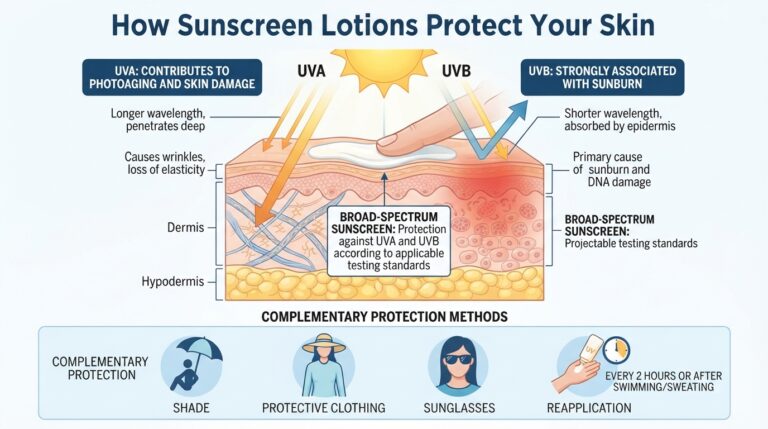
Sunscreen is essential for protecting your skin from harmful UV rays that can cause premature aging, sunburn, and skin cancer. Here are some key points about sunscreen:
- Offers protection against UVA and UVB rays.
- Prevents skin damage and reduces the risk of skin cancer.
- Helps maintain an even skin tone and prevents dark spots.
What Does Moisturizer Do?
Moisturizer helps keep the skin hydrated, which is crucial for maintaining its elasticity and preventing dryness. Key benefits include:
- Locks in moisture and prevents water loss.
- Improves skin texture and appearance.
- Provides a barrier against environmental stressors.
Understanding the Correct Application Order
Now that we understand the roles of sunscreen and moisturizer, let’s address the question at hand: should you apply sunscreen or moisturizer first? The consensus among dermatologists is clear: apply moisturizer first, then sunscreen. Here’s why:
Why Moisturizer First?
Applying moisturizer before sunscreen allows your skin to absorb hydration effectively. Here’s what happens when you apply moisturizer first:
- Moisturizer penetrates the skin, providing hydration where it’s needed.
- A layer of moisturizer creates a smooth base for sunscreen.
- Applying sunscreen on top helps seal in that moisture, enhancing its effectiveness.
How to Apply Moisturizer and Sunscreen Correctly
To ensure you’re getting the most out of both products, follow these steps:
- Start with a clean face. Use a gentle cleanser suitable for your skin type.
- Pat your skin dry with a clean towel, leaving it slightly damp for better absorption.
- Apply a pea-sized amount of moisturizer evenly across your face. Don’t forget your neck and ears.
- Allow the moisturizer to absorb for about 5-10 minutes.
- Once dry, apply sunscreen generously over the moisturizer. Make sure to cover all exposed areas.
Choosing the Right Products
Not all moisturizers and sunscreens are created equal. Here are some tips for choosing the right products for your skin type:
Moisturizer Selection
When selecting a moisturizer, consider the following:
- For oily skin, look for lightweight, non-comedogenic formulas.
- For dry skin, opt for thicker creams or ointments that provide intense hydration.
- If you have sensitive skin, choose fragrance-free and hypoallergenic options.
Sunscreen Selection
When choosing sunscreen, keep these factors in mind:
- Select a broad-spectrum sunscreen that protects against both UVA and UVB rays.
- Choose an SPF of at least 30 for daily use.
- If you have oily skin, consider gel-based or matte-finish sunscreens.
Common Myths About Sunscreen and Moisturizer
There are several misconceptions surrounding sunscreen and moisturizer that can lead to confusion:
Myth 1: You Don’t Need Sunscreen on Cloudy Days
Many people believe that sunscreen is unnecessary when it’s cloudy, but UV rays can penetrate through clouds. Therefore, apply sunscreen every day, regardless of the weather.
Myth 2: Higher SPF Means More Protection
While a higher SPF does offer more protection, it doesn’t mean you can skip reapplication. SPF 30 blocks about 97% of UVB rays, while SPF 50 blocks approximately 98%. Regular reapplication is still crucial.
The Role of Other Skincare Products
If you incorporate other products into your skincare routine, such as serums or treatments, the order of application can become more complex. Here’s a simplified guideline:
General Application Order
| Step | Product Type |
|---|---|
| 1 | Cleanser |
| 2 | Toner (if applicable) |
| 3 | Serum or Treatment |
| 4 | Moisturizer |
| 5 | Sunscreen |
Special Considerations for Different Skin Types
Your skin type can affect how you should apply sunscreen and moisturizer. Here are some tailored tips:
For Oily or Acne-Prone Skin
Use oil-free, non-comedogenic moisturizers and lightweight sunscreens. Look for products that contain salicylic acid or other acne-fighting ingredients.
For Dry Skin
Choose thicker, cream-based moisturizers that provide deep hydration. Consider sunscreens with added moisturizing properties to prevent further dryness.
For Sensitive Skin
Opt for fragrance-free and hypoallergenic products. Mineral-based sunscreens are often recommended for sensitive skin types.
Conclusion
In conclusion, the correct order of applying skincare products, particularly sunscreen and moisturizer, can significantly impact the health and appearance of your skin. Always remember to apply moisturizer first and follow it with sunscreen to ensure optimal protection and hydration. By understanding the roles of these products and how to choose the right ones for your skin type, you can create a skincare routine that keeps your complexion healthy and radiant.
So the next time you ask yourself, “do you put on sunscreen or moisturizer first?” remember to prioritize your moisturizer and seal in that hydration with a good sunscreen. Your skin will thank you for it!